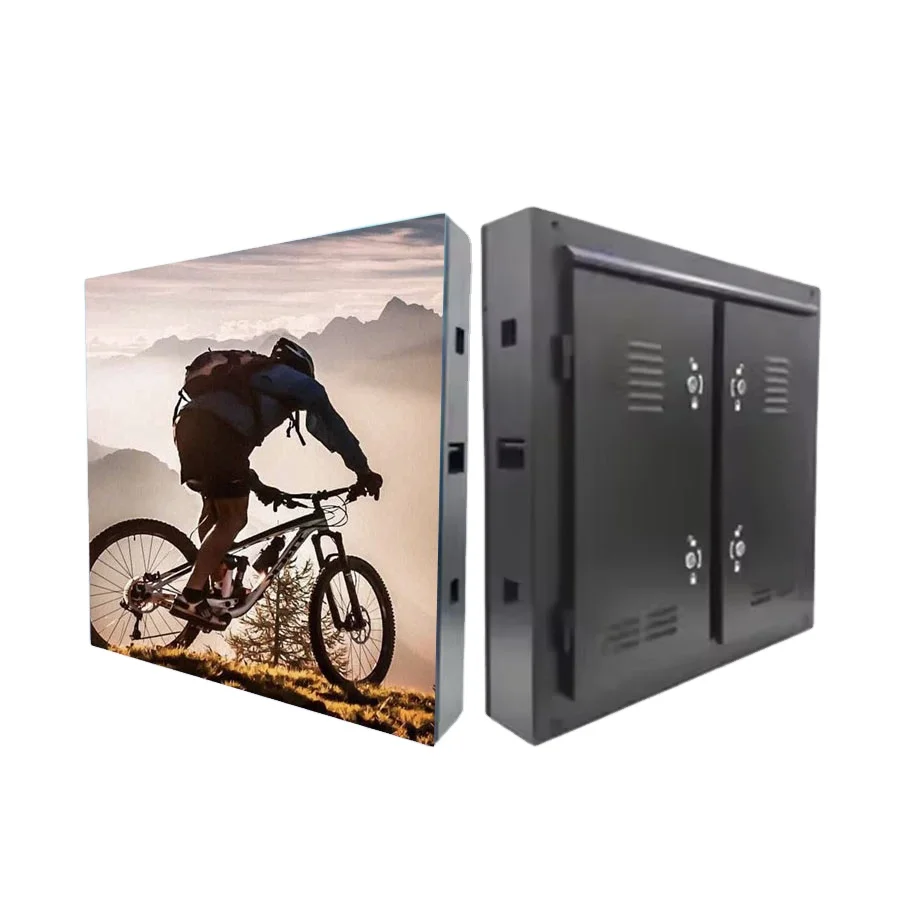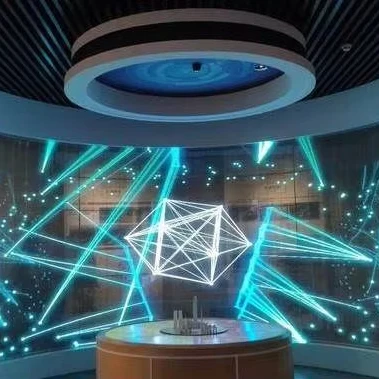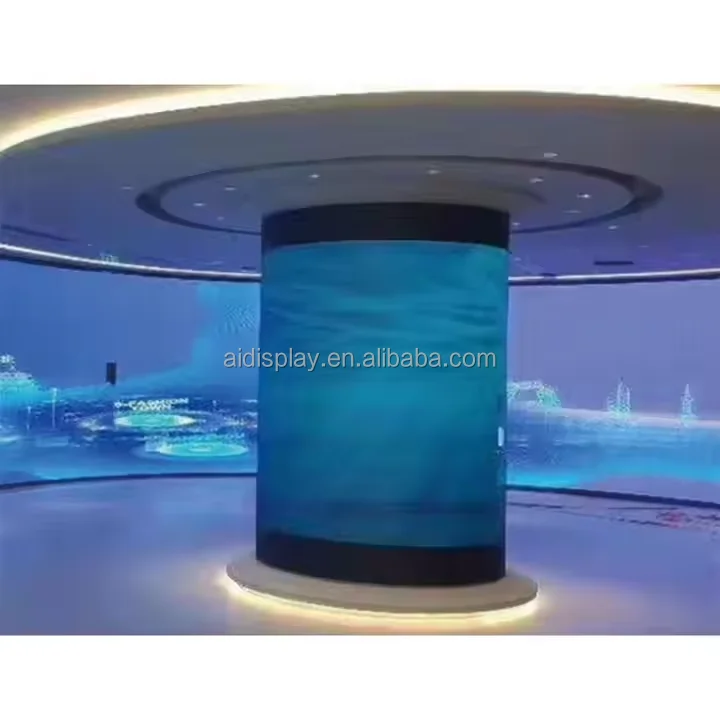
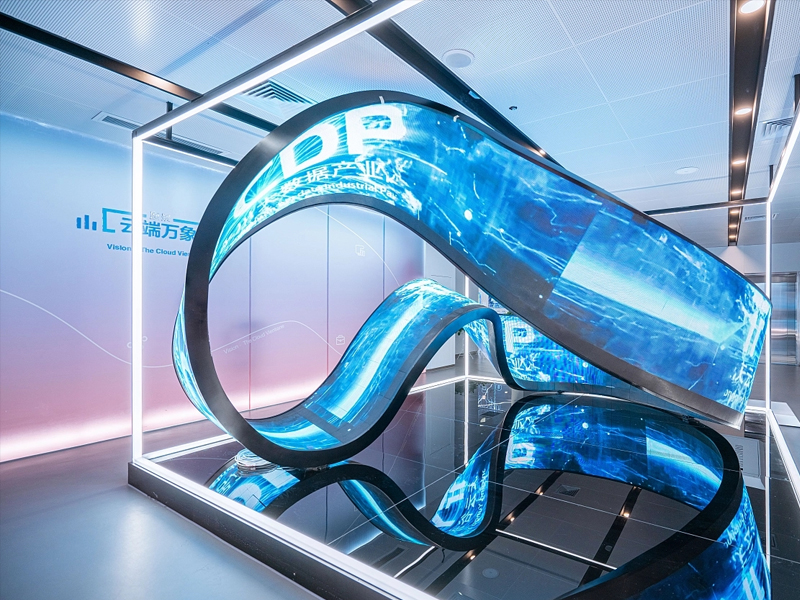
Δημιουργικές οθόνες LED χρησιμοποιούν εύκαμπτα υλικά για τυπωμένες πλακέτες (PCB) και προσαρμοσμένα δομικά σχέδια για να επιτύχουν μοναδικά σχήματα που οι παραδοσιακές οθόνες LED δεν μπορούν να προσφέρουν. Λόγω της ευκαμψίας και της δυνατότητας προσαρμογής τους, αυτές οι οθόνες ενσωματώνονται πιο φυσικά σε ανώμαλη αρχιτεκτονική και εμβύθισης περιβάλλοντα. Είτε σχεδιαστούν ως καμπύλοι τοίχοι, κυκλικές οθόνες, εγκαταστάσεις σε σχήμα κύματος ή πλήρως προσαρμοσμένες καλλιτεχνικές δομές, οι δημιουργικές οθόνες LED προσφέρουν πολύ μεγαλύτερη ευελιξία σχεδιασμού σε σύγκριση με τις τυπικές ορθογώνιες οθόνες LED.
Ωστόσο, λόγω των ανώμαλων σχημάτων τους και των ειδικών δομών τους, η εγκατάσταση μιας δημιουργικής οθόνης LED είναι πολύ πιο περίπλοκη από την εγκατάσταση μιας συμβατικής επίπεδης οθόνης LED. Για να διασφαλιστεί η μακροπρόθεσμη σταθερότητα, η άριστη οπτική απόδοση και η ασφαλής λειτουργία, οι εγκαταστάτες πρέπει να διαχειρίζονται προσεκτικά κάθε στάδιο του έργου.
Το παρόν άρθρο εξηγεί τους βασικούς παράγοντες που πρέπει να λάβετε υπόψη κατά την εγκατάσταση μιας δημιουργικής οθόνης LED.
Η επιτυχημένη εγκατάσταση ξεκινά πάντα με ακριβή σχεδιασμό και ακριβείς μετρήσεις. Χωρίς κατάλληλη προετοιμασία, μπορούν εύκολα να προκύψουν προβλήματα όπως δομική αστάθεια, κακή στοίχιση ή αντιστοιχία καμπυλότητας.
Πριν από την έναρξη της εγκατάστασης, οι τεχνικοί πρέπει να εξετάσουν προσεκτικά τον χώρο εγκατάστασης, συμπεριλαμβανομένων των τοίχων, των χαλύβδινων κατασκευών, των οροφών και των υποστηρικτικών πλαισίων. Η χρήση λέιζερ μετρητών απόστασης και 3D σαρωτών βοηθά στη δημιουργία ακριβών διαστασιακών σχεδίων της επιφάνειας εγκατάστασης.
Για παράδειγμα:
Για καμπύλες οθόνες LED, οι εγκαταστάτες πρέπει να επιβεβαιώσουν τη γωνία κάμψης και την ελάχιστη ακτίνα κάμψης κάθε μονάδας, ώστε να διασφαλίσουν ότι αντιστοιχεί στην πραγματική καμπυλότητα του τοίχου. Για σφαιρικές ή ακανόνιστες εγκαταστάσεις, οι κατασκευαστές πρέπει να δημιουργήσουν εκ των προτέρων πλήρης κλίμακας πρότυπα για να επαληθεύσουν την ευθυγράμμιση των μονάδων και να ελαχιστοποιήσουν τα ορατά κενά.
Διαφορετικά σχήματα οθόνης απαιτούν διαφορετικά συστήματα δομικής υποστήριξης:
Στην πλειονότητα των περιπτώσεων, ο κράματος αλουμινίου λειτουργεί καλά, καθώς συνδυάζει ελαφριά κατασκευή με άριστη απορρόφηση θερμότητας. Αντιθέτως, ο ανοξείδωτος χάλυβας προσφέρει καλύτερη αντοχή στη διάβρωση για εξωτερικές εφαρμογές.
Για μεγάλες εγκαταστάσεις, οι μηχανικοί πρέπει επίσης να εκτελέσουν δομικούς υπολογισμούς για την αντοχή στον άνεμο, τη φέρουσα ικανότητα και τη σεισμική ασφάλεια, προκειμένου να αποτραπεί η παραμόρφωση με την πάροδο του χρόνου.
Οι κρεμαστοί LED εμφανιστές απαιτούν ειδική προσοχή όσον αφορά τη φέρουσα ικανότητα της οροφής. Ιδανικά, η οροφή θα πρέπει να μπορεί να υποστηρίζει τουλάχιστον 1,5 φορές το συνολικό βάρος της οθόνης. Εάν κρίνεται απαραίτητο, οι εγκαταστάτες θα πρέπει να ενισχύσουν τη δομή με επιπλέον δοκούς από χάλυβα.
Για τους εμφανιστές που τοποθετούνται σε τοίχο, οι διαστολικοί βίδες πρέπει να αγκυρώνονται απευθείας σε φέροντες τοίχους, και όχι σε ελαφριά υλικά όπως γυψοσανίδες ή κούφια τούβλα.
Οι εύκαμπτοι LED εμφανιστές απαιτούν επίσης επιπλέον δομική ανοχή. Για παράδειγμα, οι εμφανιστές σε μορφή κύματος χρειάζονται τμηματικούς σιδηροτροχιακούς στηρικτήρες που ακολουθούν φυσικά την καμπυλότητα της οθόνης. Υπερβολική δύναμη ή εσφαλμένη στοίχιση μπορεί να προκαλέσει ρωγμές στα εύκαμπτα μοντέλα.
Οι περισσότερες δημιουργικές LED οθόνες χρησιμοποιούν μονάδες εξειδικευμένου σχήματος, όπως τρίγωνα, ανεμιστήρες ή καμπύλα τμήματα. Οι κατασκευαστές θα πρέπει να προ-συναρμολογούν αυτές τις μονάδες στο εργοστάσιο πριν από την αποστολή τους στον χώρο εγκατάστασης.
Κατά την προ-συναρμολόγηση, οι τεχνικοί πρέπει να επαληθεύουν:
Αυτή η διαδικασία βοηθά να αποφευχθούν ακριβά καθυστερήματα κατά την εγκατάσταση και μειώνει τον κίνδυνο επανεργασίας επιτόπου.
Οι δημιουργικές LED οθόνες σπάνια ακολουθούν τυποποιημένες διατάξεις καλωδίων. Ως εκ τούτου, οι εγκαταστάτες πρέπει να σχεδιάζουν εκ των προτέρων τη διαδρομή του σήματος και να αποφεύγουν την υπερβολική κάμψη ή συμπίεση εύκαμπτων καλωδίων.
Σημαντικά σημεία που πρέπει να ληφθούν υπόψη:
Για μεγάλης κλίμακας δημιουργικές οθόνες, τα κατανεμημένα συστήματα ελέγχου βοηθούν στη μείωση της καθυστέρησης του σήματος και διατηρούν την ενιαία αναπαραγωγή σε όλα τα μοντέλα.
Οι τεχνικοί πρέπει πάντα να ολοκληρώνουν πρώτα το δομικό πλαίσιο προτού τοποθετήσουν τα LED μοντέλα.
Η χρήση εργαλείων ευθυγράμμισης με λέιζερ και οργάνων επίπεδης στάθμισης διασφαλίζει ότι η δομή στήριξης διατηρεί την κατάλληλη καμπυλότητα και θέση. Στην πλειονότητα των έργων, τα σφάλματα εγκατάστασης πρέπει να παραμένουν εντός 2 mm ανά μέτρο για να αποφευχθεί ορατή παραμόρφωση της οθόνης.
Για εξωτερικές εγκαταστάσεις, οι εγκαταστάτες πρέπει επίσης να εφαρμόζουν αντιδιαβρωτικές επεξεργασίες, όπως γαλβάνιση ή προστατευτικά επιχαλκώματα. Τα έργα σε παράκτιες περιοχές απαιτούν συχνά ανοξείδωτο χάλυβα τύπου 316 για αντοχή στη διάβρωση από το αλάτι.
Ταυτόχρονα, όλες οι συνδέσεις μεταξύ της δομής και του κτιρίου πρέπει να γίνονται με υδροστεγανά σφραγιστικά υλικά για να αποτραπεί η διείσδυση νερού.
Κατά την εγκατάσταση του μοντέλου, οι τεχνικοί πρέπει να χρησιμοποιούν ειδικούς συνδέσμους και ρυθμιζόμενα στοιχεία στήριξης για να ασφαλίσουν ακριβώς κάθε μονάδα.
Μετά από κάθε λίγες μονάδες, οι εγκαταστάτες πρέπει να επαληθεύουν τη θέση τους με χρήση εργαλείων τρισδιάστατης σάρωσης, προκειμένου να διασφαλιστεί ότι η τελική οθόνη αντιστοιχεί στην αρχική γεωμετρία του σχεδιασμού. Αυτό το βήμα προλαμβάνει προβλήματα όπως:
Οι ελαστικές LED μονάδες δημιουργούν φυσικά πιο περίπλοκα αρμούς μεταξύ των μονάδων. Οι εγκαταστάτες πρέπει να χρησιμοποιούν επικαλύψεις για τη γέμιση αρμών και σφραγιστικά υλικά για να διατηρήσουν καθαρά και ομοιόμορφα κενά.
Για εσωτερικές εγκαταστάσεις χρησιμοποιούνται συνήθως ουδέτερα σιλικόνης σφραγιστικά, ενώ για εξωτερικές οθόνες απαιτούνται σφραγιστικά υλικά σιλικόνης ανθεκτικά στις καιρικές συνθήκες.
Οι ελαστικές LED μονάδες δεν πρέπει ποτέ να υφίστανται υπερβολική εφελκυστική δύναμη κατά την εγκατάσταση. Αντ’ αυτού, οι τεχνικοί πρέπει να ευθυγραμμίζουν φυσικά τις μονάδες προτού τις ασφαλίσουν.
Οι τεχνικοί πρέπει να ενεργοποιούν την οθόνη κατά την εγκατάσταση και να πραγματοποιούν συνεχή βαθμονόμηση:
Οι καμπύλες γωνίες και οι ανώμαλες επιφάνειες απαιτούν συχνά ρύθμιση σε επίπεδο pixel για την εξάλειψη παραμόρφωσης της εικόνας.
Οι εγκαταστάτες πρέπει να διανέμουν τα καλώδια τροφοδοσίας και τα καλώδια σήματος χωριστά, προκειμένου να ελαχιστοποιηθεί η ηλεκτρομαγνητική παρεμβολή. Ιδανικά, η απόσταση μεταξύ των καλωδίων πρέπει να διατηρείται τουλάχιστον 10 cm.
Τα εύκαμπτα τμήματα των καλωδίων απαιτούν επίσης επιπλέον επιτρεπόμενη κάμψη. Τα σφικτά δεσμοί καλωδίων μπορεί να προκαλέσουν ζημιά στην εσωτερική καλωδίωση και να μειώσουν την αξιοπιστία του συστήματος.
Οι σκληρές δημιουργικές οθόνες LED πρέπει να διατηρούν στενή επαφή μεταξύ των μονάδων και των αλουμινίου δομικών στηριγμάτων για τη βελτίωση της μεταφοράς θερμότητας.
Οι μεγάλες εγκαταστάσεις απαιτούν συχνά επιπλέον συστήματα ψύξης, όπως:
Η θερμοκρασία των LED πρέπει γενικά να παραμένει κάτω των 60°C κατά τη λειτουργία.
Για εύκαμπτες οθόνες LED, οι εγκαταστάτες πρέπει να αποφεύγουν την κάλυψη υλικών απαγωγής θερμότητας, όπως οι μεμβράνες ψύξης από γραφίτη.
Οι δημιουργικές εξωτερικές οθόνες LED απαιτούν υδροστεγανά συνδετήρια με βαθμονόμηση IP65 ή υψηλότερη. Οι εγκαταστάτες πρέπει να σφραγίζουν πλήρως όλες τις αρθρώσεις και τις διεπαφές για να αποτρέψουν την είσοδο βροχόνερου στην εσωτερική κυκλωματική διάταξη.
Η κάτω δομή πρέπει επίσης να περιλαμβάνει οπές αποστράγγισης για να αποτρέπεται η συσσώρευση νερού.
Τα μοντούλα LED, και ειδικότερα οι οθόνες Mini LED και Micro LED, είναι εξαιρετικά ευαίσθητα στην απόσταση ηλεκτροστατικού φορτίου (ESD).
Οι εγκαταστάτες πρέπει επομένως:
Αυτά τα μέτρα βοηθούν στην προστασία των LED chips και των οδηγών IC από ζημιά.
Για εγκαταστάσεις σε υψηλότερα ύψη, οι εργαζόμενοι πρέπει να χρησιμοποιούν ζώνες ασφαλείας και επαγγελματικό εξοπλισμό ανύψωσης. Οι ομάδες πρέπει επίσης να ορίσουν περιοχές περιορισμένης πρόσβασης κάτω από την περιοχή εγκατάστασης για να αποτρέψουν τραυματισμούς από πεσμένα αντικείμενα.
Εύκαμπτα υλικά PCB, όπως το PI και το PET, γρατζουνίζονται εύκολα, ενώ τα σκληρά μοντέλα FR-4 μπορεί να ραγίσουν εάν πέσουν. Η προσεκτική χειριστική μείωση σημαντικά τις ζημιές κατά την εγκατάσταση.
Μετά την εγκατάσταση, η οθόνη πρέπει να λειτουργεί συνεχώς για τουλάχιστον 24 ώρες.
Οι τεχνικοί πρέπει να αξιολογήσουν:
Η φωτεινότητα στα άκρα πρέπει συνήθως να παραμένει τουλάχιστον στο 85% της φωτεινότητας στο κέντρο.
Οι εξωτερικές οθόνες πρέπει να υποβληθούν σε προσομοιωμένη δοκιμή βροχής και σκόνης για την επαλήθευση της απόδοσης σφράγισης.
Οι εσωτερικές οθόνες πρέπει επίσης να υποβληθούν σε δοκιμή υγρασίας σε συνθήκες υψηλής υγρασίας για να διασφαλιστεί η μακροχρόνια αξιοπιστία.
Οι τεχνικοί πρέπει να επαληθεύσουν ότι:
Οι μεγάλες δημιουργικές LED οθόνες πρέπει να περιλαμβάνουν πάνελ πρόσβασης για συντήρηση στο πίσω ή πλευρικό μέρος της δομής. Αυτές οι οπές πρόσβασης επιτρέπουν στους τεχνικούς να αντικαθιστούν τα μοντέλα και να επισκευάζουν τα εσωτερικά συστήματα πιο αποτελεσματικά.
Οι εγκαταστάτες πρέπει επίσης να επισημαίνουν σαφώς:
Τέλος, οι ομάδες έργου πρέπει να διατηρούν όλα τα σχέδια εγκατάστασης, τα δεδομένα ρύθμισης και την τεκμηρίωση του λογισμικού ελέγχου για μελλοντική συντήρηση και διάγνωση προβλημάτων.
Η εγκατάσταση μιας δημιουργικής LED οθόνης περιλαμβάνει πολύ περισσότερα από την απλή τοποθέτηση LED πινάκων σε μια κατασκευή. Επειδή αυτές οι οθόνες συνδυάζουν προηγμένη μηχανική, προσαρμοσμένα σχήματα, έξυπνα συστήματα ελέγχου και καλλιτεχνικό σχεδιασμό, κάθε λεπτομέρεια έχει σημασία — από τον στρατηγικό σχεδιασμό της κατασκευής και την ευθυγράμμιση των μονάδων μέχρι τη διαχείριση της θερμότητας και των σημάτων.
Με τον κατάλληλο σχεδιασμό, επαγγελματική εγκατάσταση και αξιόπιστη τεχνική υποστήριξη, οι δημιουργικές LED οθόνες μπορούν να παρέχουν εντυπωσιακή οπτική απόδοση, διατηρώντας ταυτόχρονα μακροπρόθεσμη λειτουργική σταθερότητα.
Καθώς η ζήτηση για εμβύθιση σε οπτικές εμπειρίες συνεχίζει να αυξάνεται, οι δημιουργικές LED οθόνες θα διαδραματίζουν ολοένα και πιο σημαντικό ρόλο στον τομέα της λιανικής, της διασκέδασης, της αρχιτεκτονικής, των εκθέσεων και των δημοσίων χώρων παγκοσμίως.
 ΤΕΛΕΥΤΑΙΑ ΕΙΔΗΣΕΙΣ
2026-10-20
2026-10-19
2026-10-17
Copyright © 2025 by Shenzhen Ai Display Technology Co., Ltd - ΠΟΛΙΤΙΚΗ ΑΠΟΡΡΗΤΟΥ
 EN
EN