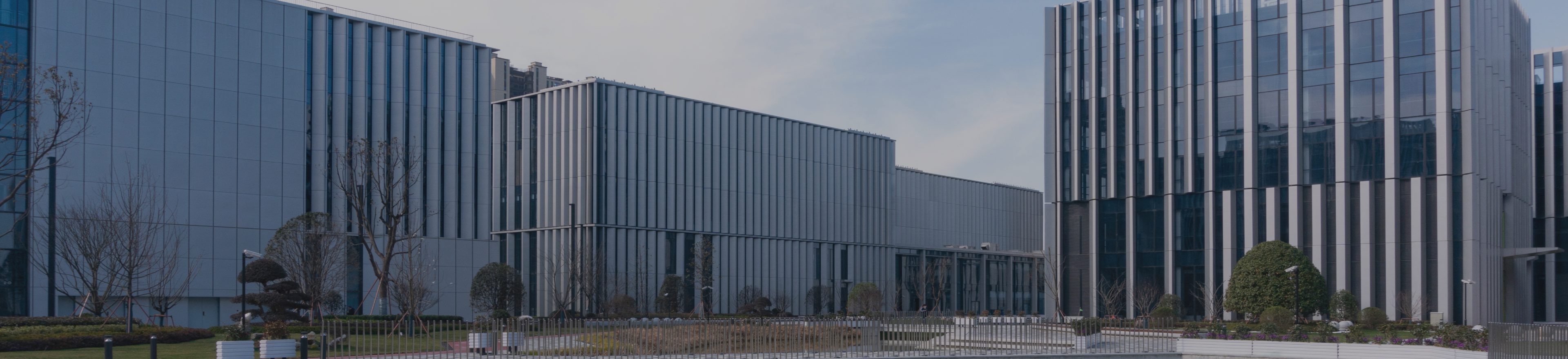
De gcolúin thógála bíonn go minic leathnaithe mar bhamhanna i mallanna siopadóireachta, i gcuanáin aeir, i dtaistil, i dteachtaí ealaíne, agus i spásanna taispeántais. Tacaíonn siad leis an dtógáil, ach d’fhéadfadh siad a bheith ina mbamhanna do réimsí oscailte nó a fhágáil le haghaidheanna atá deacair a úsáid.
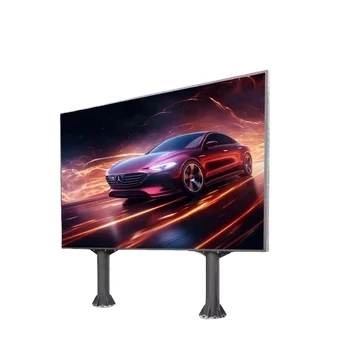
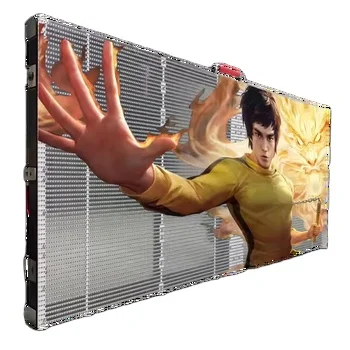
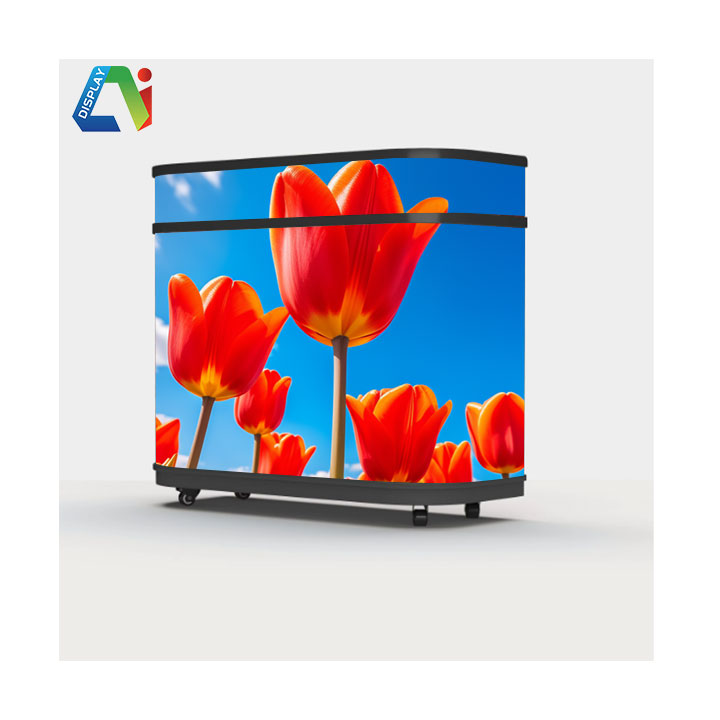
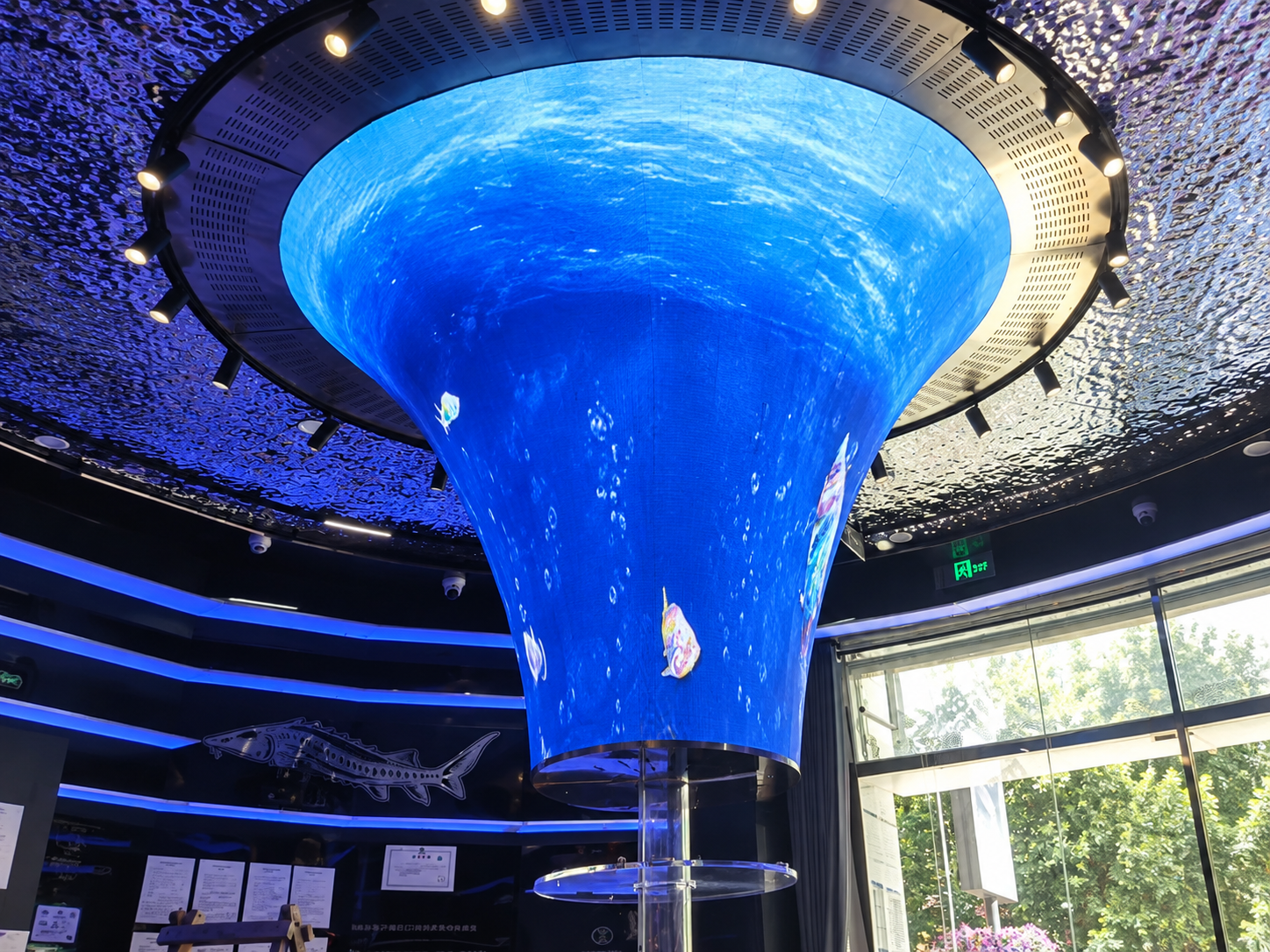
Ataispeánadh LED Dlíúil is féidir colúin a thiontú i bhfáinsí meáin digiteacha. Is féidir le modúil LED saincheaptha leanúint le struchtúir chunna agus ciorcail, ag ligean don cholún reatha bheith mar chuid den dhearbhú radharcach.
Áfach, níl sé ach an méid a thomhas ar diamadair an cholúin agus modúil a chur leis chun colún a chur i mbun le LED.
Cuirtear tiús breise timpeall ar an struchtúr bunaidh leis an scáileán nua freisin. Má ní déantar an mheas seo go luath, d’fhéadfadh an cholún LED críochnaithe teacht isteach i ndoras siopa, comharthaí treoracha, taispeántais fógraíochta, nó cosáin radharcach tábhachtacha.
Ba chóir an sprioc mar sin a bheith simplí: cuir an taispeántas LED leis gan an cholún reatha a dhéanamh náos mó ná hamhráin radharcach.
Sula roghnófar an pasáil piocail nó na modúil LED, tomhais an timpeallacht reatha.
Ba cheart an t-ionsamháil suíomh a thaispeáint an trastomhas nó leithead an cholúin, airde an cholúin, an fad go dtí na ballaí in aice láimhe, na siopaí, na hiontrálacha, na scálaí agus na bealaí coisithe.
Tá an treo amharc chomh tábhachtach leis an gceann eile.
Méaraigh colún taobh istigh i mall ceannach. D’fhéadfadh daoine é a sheachaint ó cheithre threo éagsúla. D’fhéadfadh iontráil shiopa a bheith ar chúl an cholúin, agus d’fhéadfadh taobh eile a bheith ag féachaint ar scála.
D’fhéadfadh scáileán a léiríonn mar gheall ar a áit a bheith ag bac le comhartha tábhachtach nuair a féachfar air ó shuíomh eile.
Mar sin, ba cheart an dearadh a mheas an dá rud seo: an méid fisiciúil an cholúin agus an spás amhairc timpeall air .
Tá sé seo go háirithe tábhachtach nuair a chuirtear taispeántais chruthaitheacha isteach i timpeallachta poiblí ghlan, mar shampla teirminéil aeirphort, áit a bhfuil colúin in aice le corraí pasagéirí, réigiúin reilic, agus eolais treorach.
Is botún coitianta é úsáid an trastomhais bhunaidh an cholúin amháin nuair a phleanann tú an tionscadal.
Mura bhfuil colún timpeallach ann cheana féin le trastomhas de 800 mm.
Tar éis an suiteála, is féidir roinnt leathanna a chur leis:
Más é 65 mm thart an fad a bhfuil an struchtúr iomlán LEID le feiceáil ó gach taobh, is é an trastomhas deiridh timpeall:
800 mm + 65 mm + 65 mm = 930 mm
Níor bog an cholún bunaidh, ach tá a spás fisiciúil níos mó faoi 130 mm.
Tá an difríocht seo tábhachtach.
I n-atriam mór, ní dhéanfaidh 130 mm aon fhadhb. I gcorridor bheag ionadaíochta, d’fhéadfadh sé cur isteach ar an spás atá ag na siúlóirí nó déanamh níos deacra leis an liathróid in aice leis a fheiceáil.
Seo an fáth trastomhas deiridh suiteáilte , seachtrú an trastomhas bunaidh an cholúin amháin, ba cheart an t-áit a sheiceáil roimh tháirgeadh.
Bealach praiticiúil chun an dearadh a mheas ná roinnt pointí amaigh a chruthú ar an t-ábhar le haghaidh an urlár.
Mar shampla:
Pointe amaigh A: an ionad príomhphortála
Pointe amaigh B: amach ón scála sleamhnáin
Pointe amaigh C: an chorridoir príomhchónaíochta
Pointe amaigh D: gar don siopa
Tarraing líne ó gach pointe amaigh i dtreo na réimhí réadanna tábhachtacha taobh thiar nó taobh leis an gcolum.
D'fhéadfadh na réadanna seo a bheith mar seo:
Ansin déan comparáid idir na radharcanna roimh agus tar éis an struchtúir LED atá molta a chur leis.
Más tosaíonn an cholam níos mó ag fholáirí an réad tábhachtach, ní mór an dearadh ar an scáileán a athrú sula ndéantar é.
Is féidir leis an seiceáil shimplí seo cur in aghaidh an scáileáin LED a bheidh an-taitneamhach go radharcach ach a chruthaíonn fadhb nua sa spás.
Is ceann amháin de na codanna atá i ngach scáileán deireanach an modúl LED.
D'fhéadfadh struchtúr tacaíochta trom a chur le doimhne níos mó ná mar a bhfuil súil againn.
Dona colaimnín atá ann cheana féin, is minic a bheidh struchtúr cruála crua nó alúmanaim chomh tanaí ná struchtúr cabainéid LED caighdeánach. Ansin d'fhéadfadh modúilí LED soscailte leanúint an dromchla churtha ar an struchtúr.
Is féidir le hachomharc os cionn an t-áisim a laghdú freisin.
Sa chás ina bhfuil an tionscnamh in ann é, is féidir soláthair cumhachta, cártaí glactha nó comphoirt eile a shocrú i réimsí rochtana i náid a dhéanamh an doimhneacht iomlán den cholún a mhéadú.
Níl an sprioc ná an struchtúr a dhéanamh chomh tanaí agus is féidir ag aon trátha. Is é an sprioc an t-ionannas praiticiúil a aimsiú idir doimhneacht an scáin, láidre struchtúrtha, aeráil, sreangáil agus cothabháil .
Is féidir colún LEID 360 céim a chruthú le heifeacht radharcach láidir, ach níor cheart go mbeadh an covra iomlán mar rogha chéanna go huathoimheasach.
Maireann an duine i ndáiríre agus féachann sé ar áitibh áirithe.
Más é an chuid is mó de na cuairteoirí a thagann ó dhá nó trí threo, is féidir go mbeadh achar LEID 180 céim nó 270 céim go leor uaireanta.
Is féidir an covra páirteach freisin spás a fhágáil le haghaidh rochtana cothabhála nó an t-ionspioráil a laghdú ar thaobh íogair den cholún.
Mar a shampla, smaoinigh ar cholún suite leis an ionad isteach ar stóirín luksais. Tá an t-aiceall agus na dá thaobh os cionn an chorríod príomhchiorcal an mhaille, agus tá an taobh rear gar don stóirín.
In áit an scáileáin 360 céim iomlán a chur timpeall an cholúin, d’fhéadfadh an taispeántóir LED a bheith ar na treoanna príomhamaireachta agus an struchtúr rear níos caoile.
I dtuairim an staid seo, b’fhéidir go mbeadh an t-architeacht a chosaint níos luachmhaire ná an limistéar LED a mhéadú go dtí an méid is mó .
Is é an t-am is fearr chun fadhb amhairc a aimsiú roimh bhaint an struchtúir LED leis an suíomh.
D’fhéadfadh modh 3D nó tarraingt CAD an cholúin bunaidh agus na tomhais deiridh atá molta don LED a thaispeáint. Ansin d’fhéadfadh na dearthóirí pointí amhairc fhisiciúla a chur i dtreoithe tábhachtacha agus a sheiceáil cad a fheicfidh lucht cuairte.
Dona tionscnaimh níos casta, d’fhéadfadh sampla fisiciúil simplí cabhrú freisin.
Ní gá an t-ionsáint a dhéanamh chun scáileán LED oibriúcháin a athbhreithniú. D’fhéadfadh struchtúr thar a bheith sealadach, a mheastar go dtí na tomhais deiridh ar a thaobh amuigh, a bheith in ann a léiriú cheana féin an bhfuil an dearadh ag bac le comhartha, le geata nó le slí siúl.
Is é beart oibre úsáideach:
Tomhas an áit → ríomh an chroílín deiridh → léamh na n-amharc → athbhreithniú 3D/CAD → dearadh na struchtúire → príomhchóip nó sampla → táirgeadh
Déanann sé seo an cinneadh bunaithe ar an ngéarchéim fíor i ndiaidh an táirge LED amháin.
Smaoinigh ar cholún struchtúrtha atá ann cheana idir scála sleamhnáin agus geata iontrála d’fhoirgnimh reilicte.
Ba mhaith leis an gcustaiméir an cholún a thiontú i dtaispeántas fógraíochta cruthaitheach.
Is é an chéad smaoineamh ná scáileán LED ciolindreach iomlán.
I rith an athbhreithnithe amharc, áfach, aimsítear go mbacann an struchtúr atá molta go páirteach ar gheata an stóirín ó dhaoine ag fágáil na scála sleamhnáin.
In áit an cholúin a aistriú—rud nach féidir é a dhéanamh—d’fhéadfá an dearadh LED a athrú.
Is féidir an fhrame tacaíochta ar an taobh atá le feiceáil ón siopa a laghdú, is féidir an leagan amach na gcomhpháirtí a athrú, nó is féidir an scannán LED a dhíriú ar na treoanna ina bhfuil an iomlán is mó ag siúl.
Tá an toradh deireanach fós ag cruthú gné dhigiteach láidir, ach tá an oiriúnacht bhunaidh an áite mar a bhí agus ag úsáid.
Seo é an difríocht idir an scannán LED a shuiteáil go simplí agus an taispeáint LED chruthaitheach a chur isteach sa chartografaíocht .
Ní hea i gcónaí. Ní mór an cruth colonna, staid an dromchla, srianta struchtúrtha, an curvatur, an leictreachas, an t-aeráil, agus na riachtanais maidir leis an n-ullmhú a sheiceáil ar dtús. D’fhéadfadh struchtúr tacaíochta ar leith a bheith ag teastáil.
Ní gá. Tá an pas gan i bhfad níos mó ag tiontú do tharbhacht an díolú agus do pherformance an t-amharc. Tá an tiús deireanach freisin ag brath ar an modúil, ar an fhrame tacaíochta, ar an córas cumhachta, ar an leictreachas, agus ar an modh seirbhíse.
Ní hea. Tá an covaireáil is fearr ag brath ar threo na dtuairimí, ar shreabhadh na n-ionsaitheoirí, ar réimsí atá in aice leis, ar riachtanais an ábhar, agus ar rochtain ar mhaithe le húsáid.
Níor cheart tús a chur le tionscadal colúin LED rathúil le ceist an bhfuil sí: “Conas is féidir linn an colún seo a chlúdach le LED?”
Ceist níos fearr is ea:
“Conas is féidir linn meáin dhigithe a chur anseo gan dochar a dhéanamh don bhealach a mbreathnaíonn daoine ar an spás agus a n-imeoidh trí thuaidh é?”
Tá an athrú sa smaoineamh seo ag tiontú an tionscadail iomlán—ó thomhas agus ó dhearadh struchtúrtha go dtí rogha na módúl agus triail na gcomhartha radharc.
Tugann AILED réitigh cruthaitheacha agus saincheaptha do thaispeántais LED do thionscadail tráchtála agus airteachta. Ag brath ar an gcolún atá ann cheana agus ar choinníollacha an insteallta, is féidir an cruth, na tomhais, an pasáil phicseil, an struchtúr tacaíochta, agus an modh insteallta a shaincheapadh don tionscadal.
Taiscéalaíocht Screada LED i bhFormaí Saincheaptha nó AILED chun na tomhais agus na coinníollacha insteallta a thionscadal a phlé.
 Nuacht Te
2026-10-22
2026-10-21
2026-10-20
Copyright © 2025 by Shenzhen Ai Display Technology Co., Ltd - POLASAÍ PRÍOBHÁIDEACHTA
 EN
EN