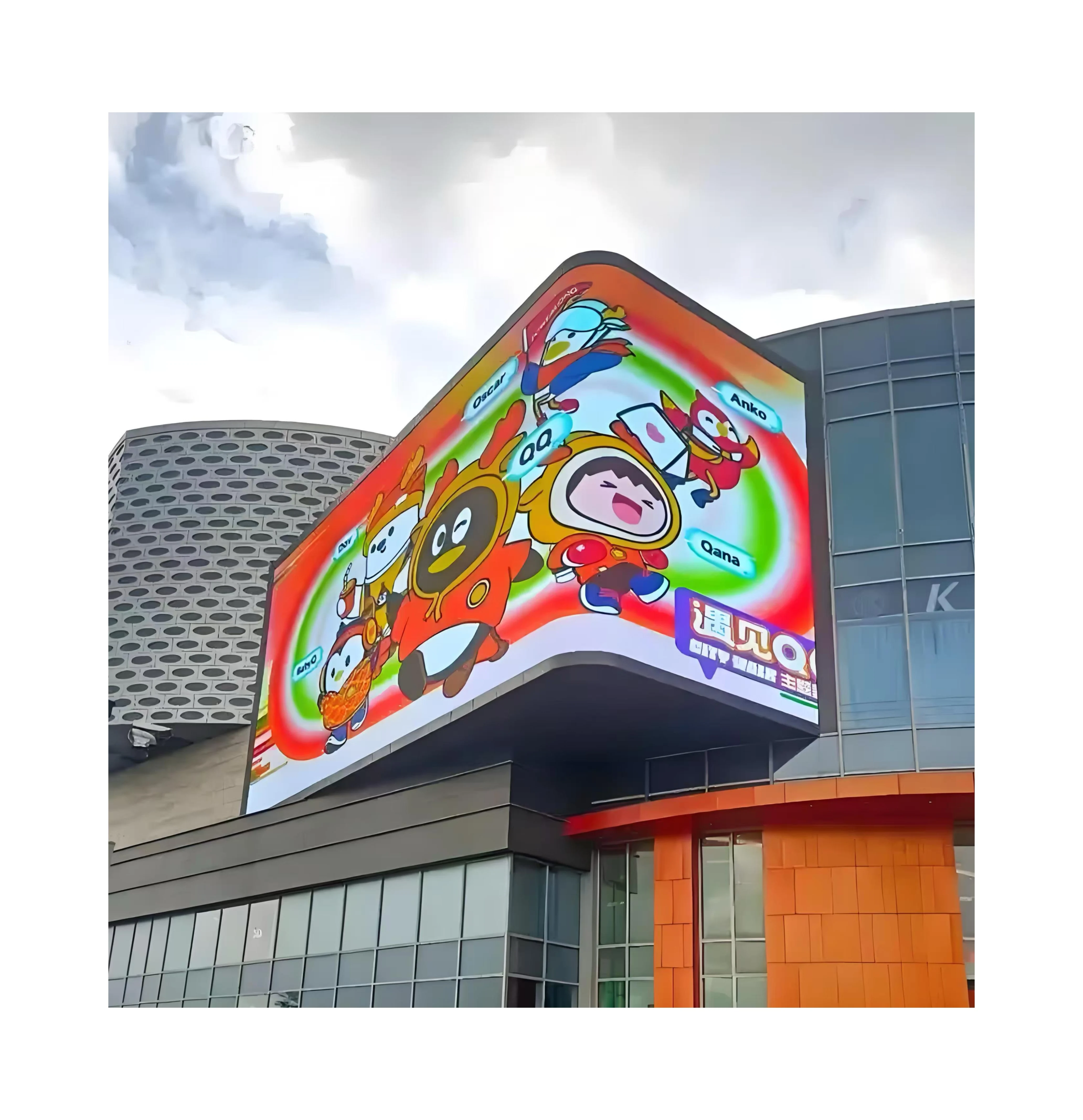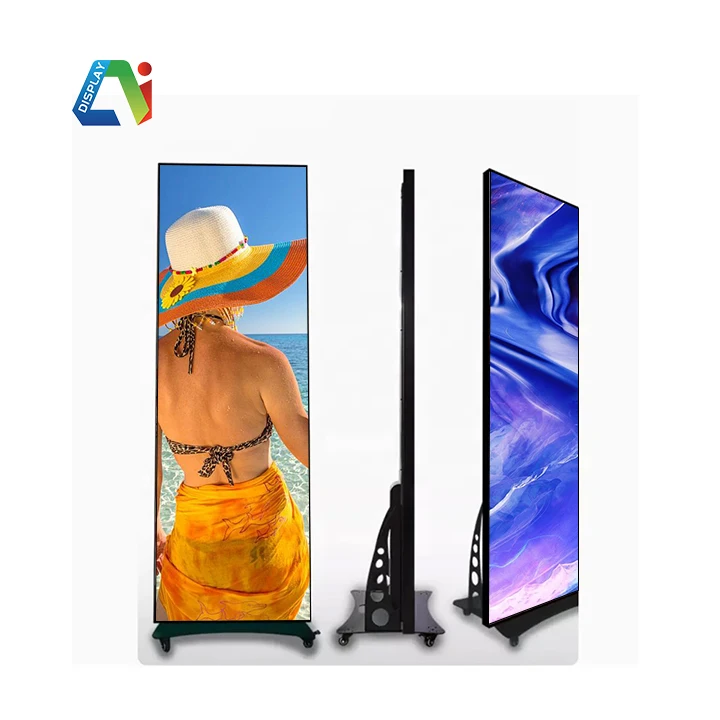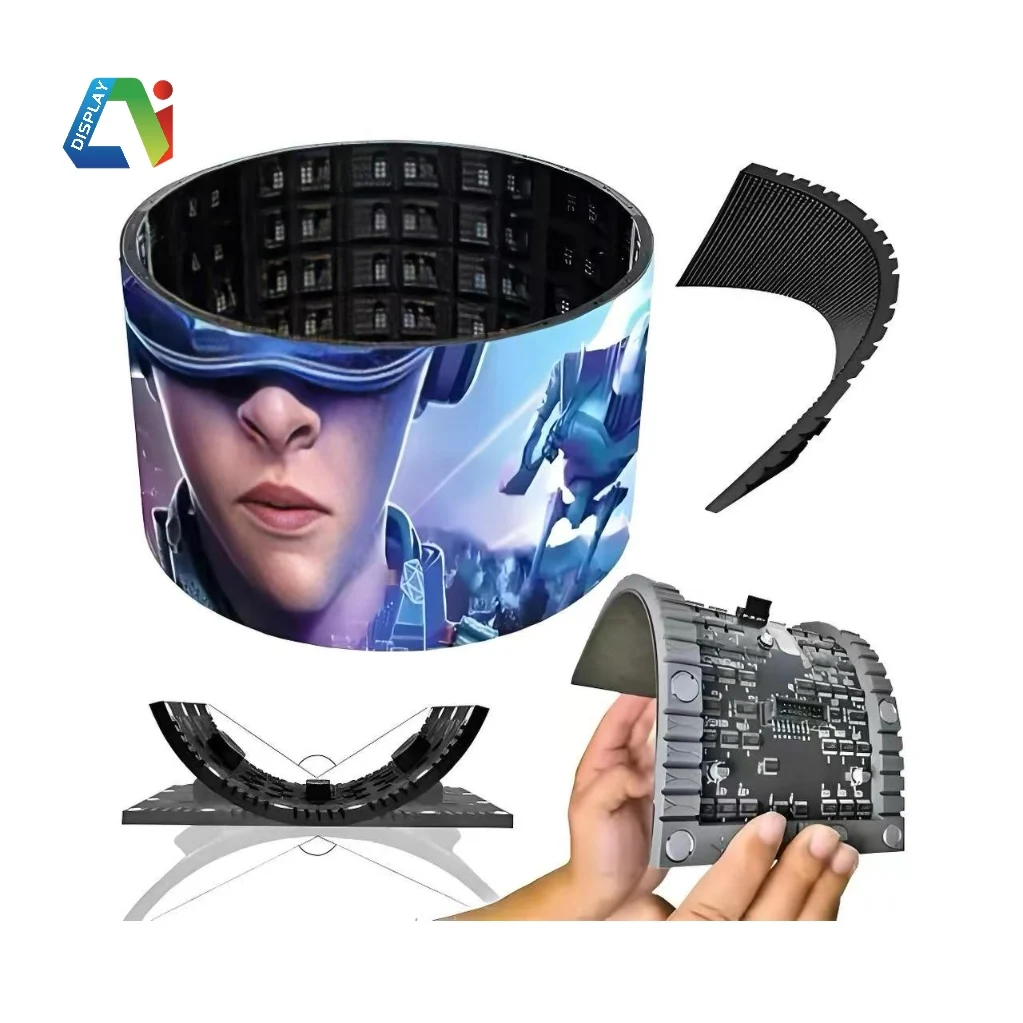
Ar aghaidh na taispeántas LED traidisiúnta cothrom nó cruinn le hachair amhairc teoranta, scréine LED ciorcalacha cuirtear taithí fhíor-360 céime ar fáil. Cruthaíonn a struchtúr trí-thaobhach uathúil doimhne as cuí agus iontráil spásúil, rud a dhéanann an t-inneall níos bhríomhaí, níos beo, agus níos tarraingí i bhfad. Mar is féidir le breathnóirí an scáileán a fheiceáil ó aon treo, oiriúnann taispeántas LED cruinn go hiontach do shpásanna poiblí oscailte. An bhfuil siad suiteáilte i gceardlann, i mall cheannach nó i halla taispeántais, tá siad in ann aird a tharraingt go nádúrtha agus ligean don lucht féachana an t-inneall a bheith ag súil gan aon chur in éag ar an radharc ó aon áit.
Le chuid mór roghanna taispeántas LED cruinn ar fáil ar an margadh, is féidir an rogha cheart a dhéanamh maidir le comhdhéanamh, wattáiste, nó teocht dath a bheith an-dhröilte. Mar chumadóir domhanda i dtionscnaimh taispeántas LED casta, simplíonn Toosen an próiseas iomlán. Dearmaidh muid taispeántas LED cruinn ar ardchaighdeán a chabhraíonn le gnóithe an taithí branda a neartú, aird an phobail a tharraingt, agus dea-mhomaintí radharcacha a chruthú.
Is iad an cruth, an struchtúr agus an tionchar radharcach an difríocht is mó idir taispeántais LED sféaracha agus taispeántais LED cothrománacha. Taispeántais LED caighdeánaigh le haghaidh cothrománach agus tacaithe go príomha le féachaint ón taobh amuigh. I gcoinne sin, cuireann taispeántais LED sféaracha ar fáil taithí 3D iomlán, le féachaint ó gach uile uillinn trí a ndearbhadh gan bhris agus a chruth glainne.
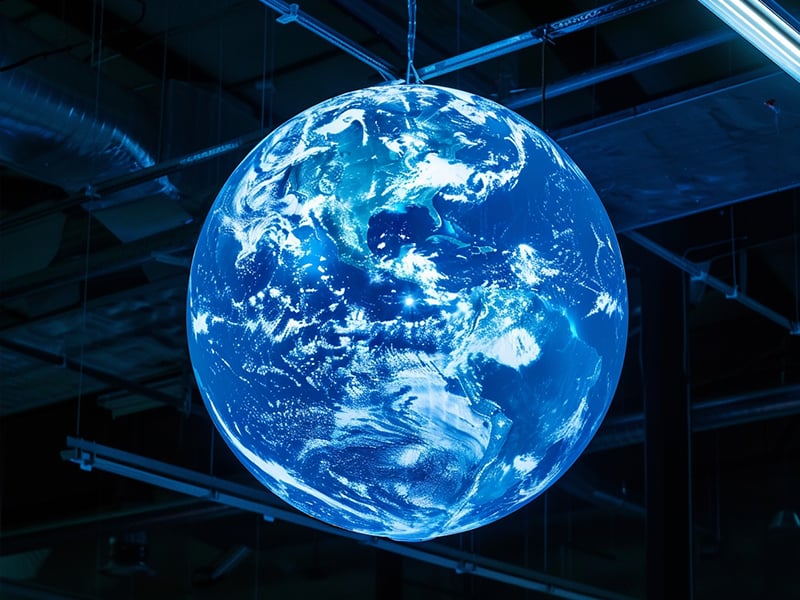
Tógann monaróirí scáinsí LED sféaracha ag úsáid modúil LED corrtha nó ilchodach go speisialta, go minic i bhfoirm triantánach nó heicsa-ghoirt. D’fhágann na modúil seo le chéile go cruinn chun dromchla sféarach ghlainne a chruthú. Mar sin, tá teicneolaíocht léamh físe casta de dhíth ar thaispeántais LED sféaracha chun ábhar físe cothrománach a thaispeáint go cruinn ar an ndromchla chorrtha. Cuirtear cosc ar dhíshraith an íomhá le lámhach an comhthionchar dathanna ar fud an taispeáin iomláin.
Mar gheall ar a dtírdhreach casta, tá níos mó innealtóireachta, calibrála agus suiteála i gceist le scáthán LED cruinn ná le scátháin chasta traidisiúnta. Áfach, tugann siad éifeacht amhairc i bhfad níos saothrúla freisin. Mar an gcéanna, roghnaíonn gnóthaí agus institiúidí iad go minic le haghaidh suiteáin ealaíne, múchumanna eolaíochta, lárionaid taispeántais, spásanna reilicis do thurgnóga agus timpeallachta eile ina bhfuil an cruthaitheacht agus an tionchar amhairc is tábhachtaí.
I meantime, tá scátháin LED chasta fós ina rogha roghnaithe do bhoird fhaighte, ceoilchoirnéal, seomraí rialaithe agus comharthaí digiteacha mar gheall ar an bhfócas a chuireann siad ar sholas, soiléiriú, éifeachtacht costais agus easanú níos éasca.
Cé go bhfuil costais tháirgealaíochta airde agus cíclanna táirgeachta faide riachtanach de thaispeántais LED cruinn, is iad siad a léiríonn nuálaíocht agus dearadh an todhchaí. Tá sé tábhachtaí den chuid is mó, gur féidir leo spásanna ghnáth a thiontú ina stáisiúin amhairc chuimhneacháin. I dtéarmaí simplí, tá taispeántais LED cothrom ann chun eolais a chur ar fáil, agus tá taispeántais LED cruinn ann chun páirt a ghlacadh sa mheabhair agus sa chroí.
 Nuacht Te
2026-10-20
2026-10-19
2026-10-17
Copyright © 2025 by Shenzhen Ai Display Technology Co., Ltd - POLASAÍ PRÍOBHÁIDEACHTA
 EN
EN