Ένα προσαρμοσμένο σχήματος LED έργο διαφέρει σημαντικά από την εγκατάσταση μιας τυπικής ορθογώνιας LED βιντεοτοίχου.
Μια επίπεδη LED τοίχος συνήθως ξεκινά με καθορισμένο πλάτος και ύψος. Μια προσαρμοσμένη οθόνη μπορεί να είναι καμπύλη γύρω από έναν κίονα, να κρέμεται ως σφαίρα, να ενσωματώνεται σε δαχτυλίδι ή να σχεδιάζεται ώστε να ακολουθεί μια αρχιτεκτονική δομή. Αυτό αλλάζει τον τρόπο με τον οποίο ο ενσωματωτής οπτικοακουστικών συστημάτων πρέπει να σκεφτεί το έργο.
Το σχήμα της οθόνης επηρεάζει τα LED modules, την υποστηρικτική δομή, τη διανομή ηλεκτρικής ενέργειας, το σύστημα σήματος, την ανάλυση του περιεχομένου, την εγκατάσταση και τη μελλοντική συντήρηση.
Γι’ αυτόν τον λόγο, η επιτυχημένη προετοιμασία πρέπει να ξεκινήσει πριν από την παραγωγή της LED οθόνης.
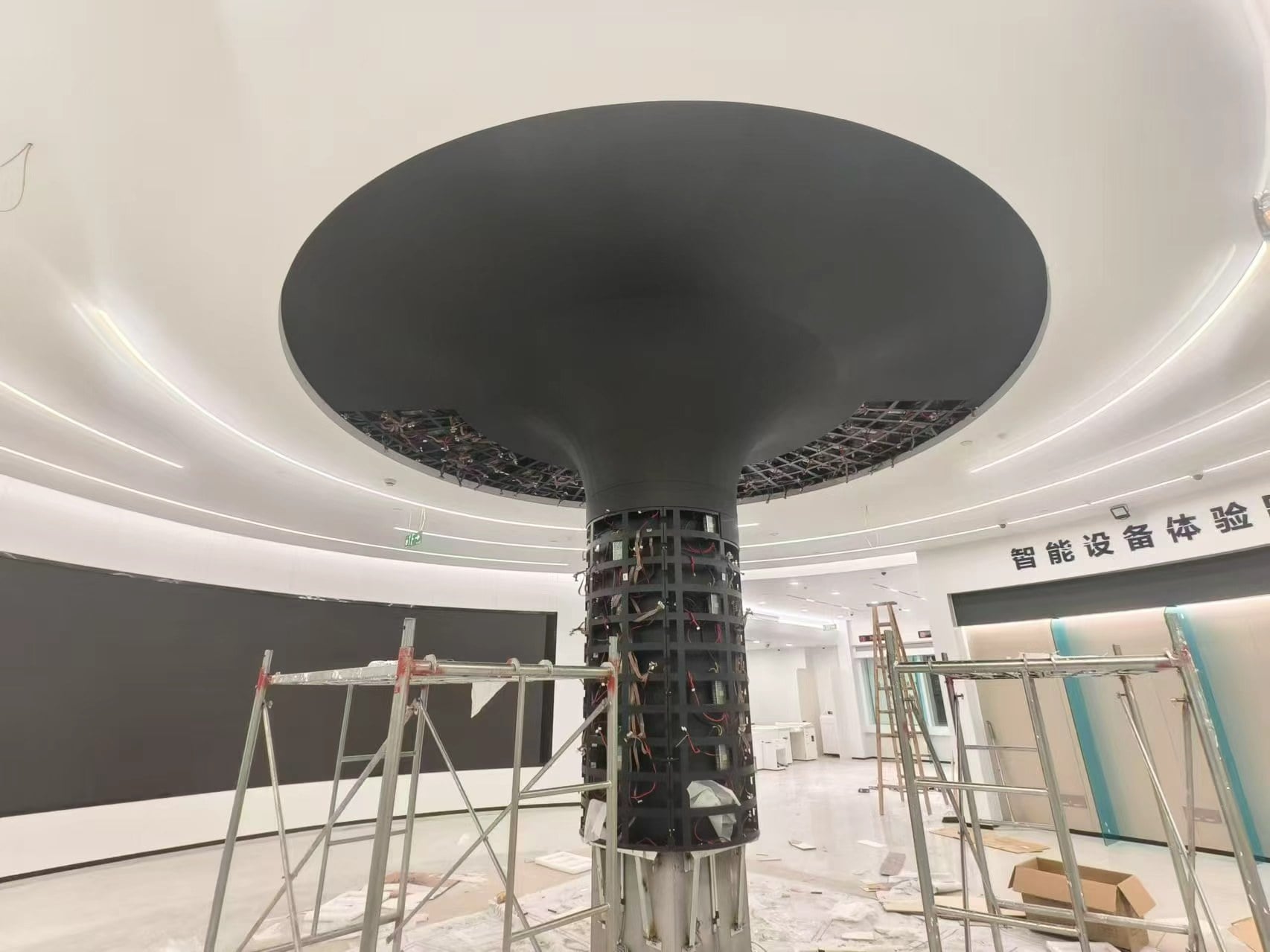
Πριν επιλέξετε την απόσταση pixel ή τα LED modules, κατανοήστε πού θα εγκατασταθεί η οθόνη.
Μια καλή έρευνα τοποθεσίας πρέπει να απαντά σε αρκετές βασικές ερωτήσεις:
Για παράδειγμα, μια κρεμαστή σφαιρική LED οθόνη σε εμπορικό κέντρο απαιτεί μια πολύ διαφορετική δομή από μια καμπύλη οθόνη που τοποθετείται γύρω από μια εσωτερική κολόνα.
Οι εντεγκρέιτορες οπτικοακουστικών συστημάτων θα πρέπει επομένως να ξεκινήσουν από το φυσικό περιβάλλον, αντί να επιλέγουν ένα προϊόν μόνο με βάση ένα φύλλο προδιαγραφών.
Πολλά προσαρμοστικά LED έργα ξεκινούν με μια αρχιτεκτονική απόδοση ή μια δημιουργική ιδέα.
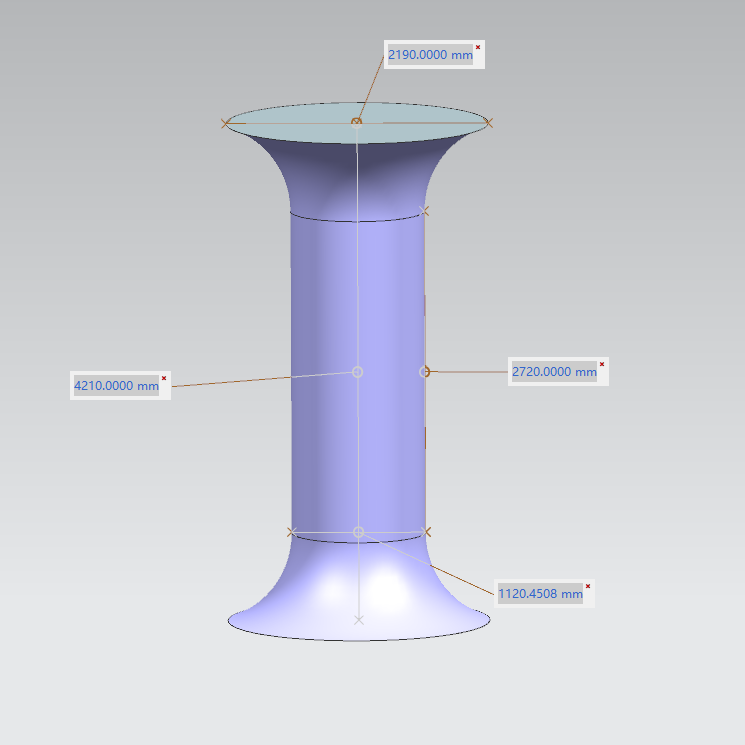
Το επόμενο βήμα είναι η μετατροπή αυτής της ιδέας σε κάτι που μπορεί πραγματικά να κατασκευαστεί.
Αυτό συνήθως απαιτεί ακριβείς διαστάσεις, σχέδια CAD ή ένα τρισδιάστατο μοντέλο. Ο κατασκευαστής LED μπορεί στη συνέχεια να διαιρέσει το σχήμα σε modules ή τμήματα και να καθορίσει πώς θα πρέπει να κατασκευαστεί η υποστηρικτική δομή.
Σύνθετα σχέδια μπορεί να περιλαμβάνουν:
Aοθόνη LED με παραγωγή σύμφωνα με τις προδιαγραφές μπορούν να χρησιμοποιηθούν εύκαμπτες ή ειδικά σχεδιασμένες LED μονάδες για τη δημιουργία δομών που θα ήταν δύσκολο να επιτευχθούν με συμβατικές ορθογώνιες κασέτες.
Όσο νωρίτερα ο εντεχνικός ολοκληρωτής AV επιβεβαιώσει τη γεωμετρία με τον κατασκευαστή, τόσο πιο εύκολο είναι να αποφευχθούν αργότερα προβλήματα διαστάσεων.
Μια μικρότερη απόσταση pixel δεν είναι αυτόματα η καλύτερη επιλογή.
Η σωστή προδιαγραφή εξαρτάται από την απόσταση παρατήρησης, τις διαστάσεις της οθόνης, το περιεχόμενο, τον προϋπολογισμό και το σχήμα της εκθεσιακής εγκατάστασης.
Για εσωτερική εγκατάσταση με κοντινή παρατήρηση, μπορεί να απαιτείται μια λεπτή απόσταση pixel. Μια μεγάλη δημιουργική εκθεσιακή εγκατάσταση που παρατηρείται από μεγαλύτερη απόσταση μπορεί να χρησιμοποιήσει μεγαλύτερη απόσταση pixel χωρίς να μειωθεί η οπτική επίδραση.
Για καμπύλες και σφαιρικές εκθεσιακές εγκαταστάσεις, οι εντεχνικοί ολοκληρωτές θα πρέπει επίσης να λάβουν υπόψη τους πώς το σχήμα μεταβάλλει το συνολικό πλήθος των pixel.
Ένα μεγάλο σφαιρική οθόνη LED , για παράδειγμα, κατανέμει τα εικονοστοιχεία γύρω από μια πλήρη καμπύλη επιφάνεια. Η ομάδα έργου πρέπει να υπολογίσει την πραγματική ανάλυση εμφάνισης πριν αρχίσει η παραγωγή περιεχομένου.
Αυτό αποτρέπει ένα συνηθισμένο πρόβλημα: να ολοκληρωθεί πρώτα το υλικό LED και αργότερα να διαπιστωθεί ότι η ανάλυση του περιεχομένου δεν ταιριάζει με την οθόνη.
Η κατασκευή είναι ένα από τα πιο σημαντικά μέρη ενός προσαρμοστικού LED έργου.
Το υποστηρικτικό πλαίσιο πρέπει να κρατά τα module LED με ακρίβεια, ενώ μεταφέρει το συνολικό βάρος της οθόνης, των καλωδίων, των τροφοδοτικών και άλλων συστατικών.
Για κρεμαστές οθόνες, η ομάδα έργου πρέπει να επιβεβαιώσει τα σημεία κρέμασμας και την ικανότητα φόρτισης του κτιρίου.
Για εξωτερικά έργα, πρέπει επίσης να ληφθούν υπόψη οι περιβαλλοντικές συνθήκες, όπως ο άνεμος και ο καιρός.
Η ακρίβεια της κατασκευής έχει επίσης σημασία για την οπτική ποιότητα. Εάν το πλαίσιο δεν κατασκευαστεί σωστά, ενδέχεται να εμφανιστούν κενά ή διαφορές στην ευθυγράμμιση μεταξύ των τμημάτων LED.
Η δομή των LED θα πρέπει συνεπώς να συζητηθεί κατά το στάδιο του σχεδιασμού, όχι μετά την ολοκλήρωση της κατασκευής της οθόνης.
Οι ακανόνιστες μορφές μπορούν να καθιστούν τη διαδρομή των καλωδίων δυσκολότερη σε σύγκριση με μια επίπεδη τοίχο LED.
Οι εντεγκρέιτορες AV θα πρέπει να σχεδιάσουν:
Για μια μεγάλη προσαρμοστικής μορφής οθόνη LED, η διαίρεση του συστήματος σε πολλές ζώνες ενέργειας και σήματος μπορεί επίσης να διευκολύνει τη διάγνωση προβλημάτων.
Οι διαδρομές των καλωδίων θα πρέπει να συμπεριλαμβάνονται στο δομικό σχέδιο, όποτε αυτό είναι δυνατόν. Το να αναβάλλεται η απόφαση για τις διαδρομές των καλωδίων μέχρι τη φάση της εγκατάστασης συχνά δημιουργεί περιττή εργασία επιτόπου.
Το περιεχόμενο είναι ένα από τα πιο παραμελημένα μέρη των προσαρμοστικών LED έργων.
Ένα τυπικό βίντεο 16:9 δεν μπορεί πάντα να τοποθετηθεί απευθείας σε οθόνη σφαιρικού, κυλινδρικού, δακτυλιοειδούς ή κυματοειδούς σχήματος.
Ο ενσωματωτής οπτικοακουστικών συστημάτων πρέπει να επιβεβαιώσει την εγγενή ανάλυση LED και το καμβά του περιεχομένου στα πρώιμα στάδια του έργου.
Για παράδειγμα, το περιεχόμενο που εμφανίζεται σε κυλινδρική επιφάνεια ενδέχεται να χρειάζεται να περιβάλλει τη δομή. Μια σφαίρα απαιτεί διαφορετική μέθοδο απεικόνισης, επειδή οι θεατές μπορούν να δουν την οθόνη από πολλές κατευθύνσεις.
Η ροή εργασίας μπορεί να περιλαμβάνει:
Πηγή Περιεχομένου → Επεξεργαστής Βίντεο → Απεικόνιση Εικονοστοιχείων → Ελεγκτής LED → Προσαρμοστική Οθόνη
Οι σχεδιαστές περιεχομένου πρέπει να λάβουν τη σωστή ανάλυση και το πρότυπο απεικόνισης προτού δημιουργήσουν τα τελικά μέσα.
Αυτό είναι ιδιαίτερα σημαντικό για εμπορικές κινούμενες εικόνες, εφέ 3D και εμβύθισης.
Μια οθόνη μπορεί να φαίνεται εντυπωσιακή την ημέρα έναρξης λειτουργίας, αλλά πρέπει επίσης να παραμένει επισκεύσιμη για χρόνια.
Οι ενσωματωτές συστημάτων AV θα πρέπει να ρωτήσουν πώς θα φτάσουν οι τεχνικοί σε:
Ορισμένα έργα μπορούν να χρησιμοποιήσουν συντήρηση από το μπροστινό μέρος, ενώ άλλα απαιτούν πρόσβαση από το εσωτερικό ή από το πίσω μέρος.
Ένα περίπλοκο αρχιτεκτονικό σχέδιο δεν πρέπει ποτέ να καθιστά αδύνατη την αντικατάσταση ενός ελαττωματικού module.
Η σχεδίαση της πρόσβασης για συντήρηση κατά το στάδιο του σχεδιασμού μπορεί να μειώσει τη μελλοντική διακοπή λειτουργίας και το κόστος εξυπηρέτησης.
Τα προσαρμοσμένου σχήματος LED οθόνες θα πρέπει να συναρμολογούνται και να ελέγχονται στο εργοστάσιο πριν από την αποστολή τους, όποτε αυτό είναι δυνατό.
Ο εργοστασιακός έλεγχος μπορεί να περιλαμβάνει:
Αυτό δίνει στον ολοκληρωτή και τον κατασκευαστή τη δυνατότητα να εντοπίσουν προβλήματα πριν φτάσει η οθόνη στον τόπο του έργου.
Τα μοντέλα, τα καλώδια και τα δομικά μέρη μπορούν επίσης να ετικετοποιηθούν σύμφωνα με τις θέσεις εγκατάστασής τους. Αυτό είναι ιδιαίτερα χρήσιμο όταν μια μεγάλη ακανόνιστη οθόνη πρέπει να αποσυναρμολογηθεί για διεθνή μεταφορά και να ανασυναρμολογηθεί επιτόπου.
Η εγκατάσταση επιτόπου πρέπει να ακολουθεί μια σαφή σειρά.
Μια τυπική διαδικασία είναι:
Δομή → LED Μοντέλα → Τροφοδοσία → Σήμα → Ελεγκτής → Αντιστοίχιση → Βαθμονόμηση → Τελική Δοκιμή
Ο ολοκληρωτής πρέπει επίσης να διασφαλίσει ότι η δομική ομάδα, οι ηλεκτρολόγοι, οι τεχνικοί LED και η ομάδα περιεχομένου κατανοούν τις ευθύνες τους.
Μετά την εγκατάσταση, ελέγξτε ολόκληρη την οθόνη όσον αφορά την ευθυγράμμιση των μοντέλων, τη συνέπεια των χρωμάτων, τη σταθερότητα του σήματος και την ορθή αντιστοίχιση του περιεχομένου.
Για μη συνηθισμένες δομές όπως σφαίρες, κύλινδροι και καμπύλες οθόνες, η δοκιμή πρέπει να πραγματοποιείται από πολλές θέσεις παρατήρησης, αντί να περιορίζεται μόνο στη θέση ακριβώς εμπρός από την οθόνη.
Πριν από την υποβολή παραγγελίας, επιβεβαιώστε τις βασικές πληροφορίες του έργου με τον κατασκευαστή:
Αυτές οι λεπτομέρειες βοηθούν στη μείωση των προβλημάτων επικοινωνίας μεταξύ πελάτη, αρχιτέκτονα, ολοκληρωτή AV και κατασκευαστή LED.
Ένα επιτυχημένο έργο LED με προσαρμοστικό σχήμα ξεκινά πολύ πριν από την άφιξη των modules LED στον χώρο.
Για τους ολοκληρωτές AV, η σημαντικότερη εργασία είναι η σύνδεση όλων των στοιχείων του έργου: αρχιτεκτονική, υλικό LED, δομή, τροφοδοσία, έλεγχος, περιεχόμενο και συντήρηση.
Η συνεργασία με έναν εμπειρογνώμονα κατασκευαστή από τα πρώιμα στάδια του σχεδιασμού μπορεί να καταστήσει αυτήν τη διαδικασία πολύ πιο εύκολη.
Οθόνη AI παρέχει προσαρμοσμένες λύσεις οθόνης LED για διαφορετικές δημιουργικές δομές και εφαρμογές. Η γκάμα προϊόντων μας περιλαμβάνει οθόνες LED με προσαρμοσμένο σχήμα, σφαιρικές οθόνες LED, κυλινδρικές οθόνες και άλλες ακανόνιστες λύσεις LED.
Από το σχεδιασμό και την παραγωγή μέχρι την τεχνική υποστήριξη και την υποστήριξη μετά την πώληση, η ομάδα μας μπορεί να συνεργαστεί με ενσωματωτές οπτικοακουστικών συστημάτων για να μετατρέψει δημιουργικές ιδέες οθόνης σε πρακτικές εγκαταστάσεις LED.
Εάν σχεδιάζετε ένα προσαρμοσμένο έργο οθόνης LED, στείλτε μας τις διαστάσεις της οθόνης, το περιβάλλον εγκατάστασης, την απόσταση παρατήρησης και τα σχέδια σχεδιασμού. Η ομάδα μας μπορεί να βοηθήσει στην αξιολόγηση της διαμόρφωσης LED πριν από την έναρξη της παραγωγής.
 ΤΕΛΕΥΤΑΙΑ ΕΙΔΗΣΕΙΣ
2026-10-12
2026-10-11
2026-10-06
Copyright © 2025 by Shenzhen Ai Display Technology Co., Ltd - ΠΟΛΙΤΙΚΗ ΑΠΟΡΡΗΤΟΥ
 EN
EN