Проект індивідуального світлодіодного дисплея з нестандартною формою суттєво відрізняється від встановлення стандартної прямокутної світлодіодної відеостіни.
Плоска світлодіодна стіна зазвичай має чітко визначену ширину й висоту. Індивідуальний дисплей може бути вигнутий навколо колони, підвішений у формі кулі, вбудований у кільце або спроектований так, щоб повторювати архітектурну структуру. Це змінює підхід системного інтегратора до проекту.
Форма дисплея впливає на світлодіодні модулі, несучу конструкцію, розподіл електроживлення, систему передачі сигналів, роздільну здатність контенту, монтаж та подальше технічне обслуговування.
Тому успішне планування слід починати ще до виробництва світлодіодного екрана.
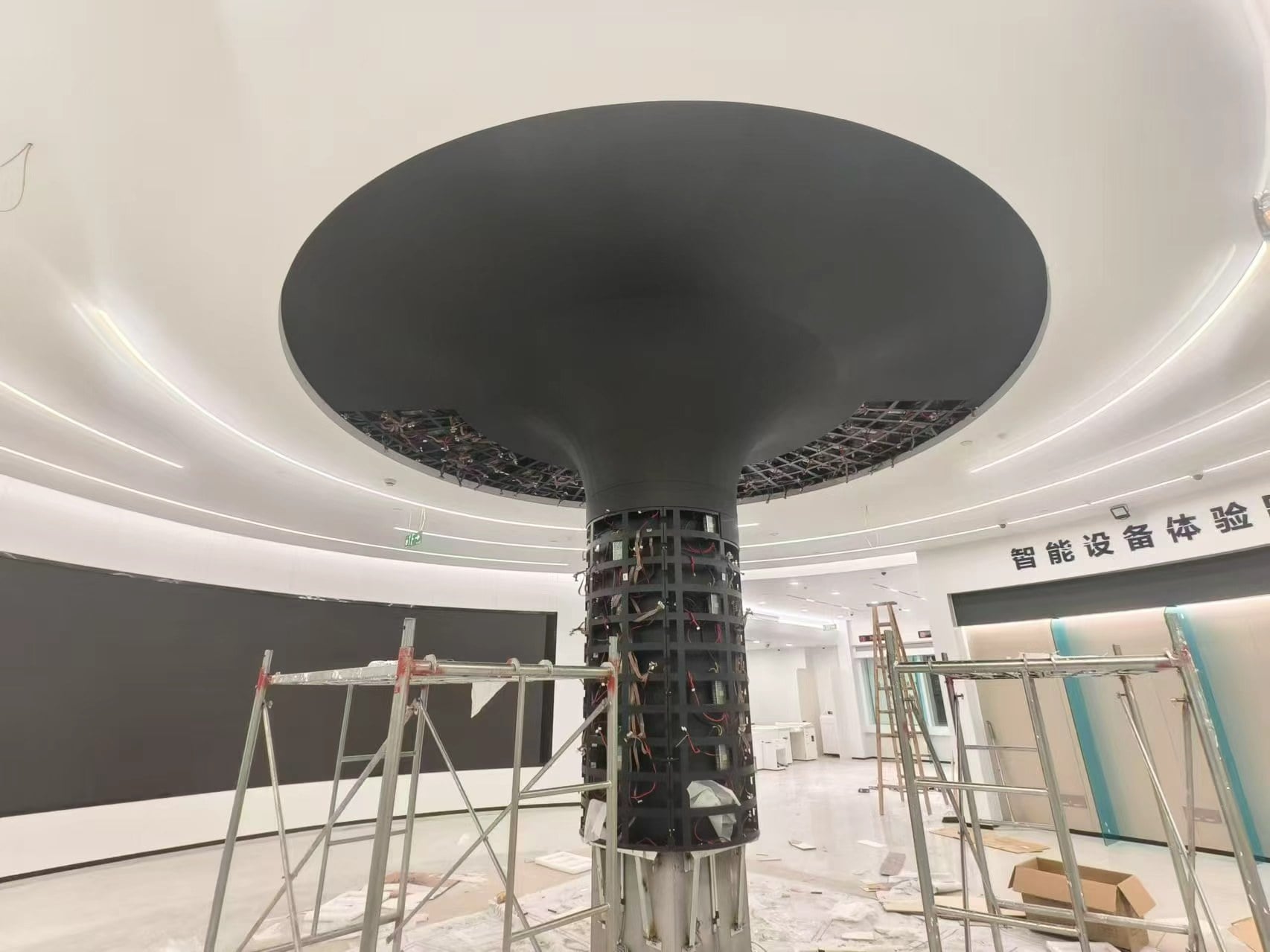
Перш ніж вибирати крок пікселів або світлодіодні модулі, з’ясуйте, де саме буде встановлено екран.
Якісне обстеження об’єкта має дати відповіді на кілька базових запитань:
Наприклад, підвісний сферичний LED-екран у торговому центрі потребує зовсім іншої конструкції, ніж вигнутий дисплей, встановлений навколо внутрішньої колони.
Тому інтегратори АВ мають починати з фізичного середовища, а не вибирати продукт лише за технічними характеристиками.
Багато індивідуальних LED-проектів починаються з архітектурного рендерингу або творчої концепції.
Наступним кроком є перетворення цієї ідеї на щось, що можна реально виробити.
Це зазвичай вимагає точних розмірів, креслень CAD або 3D-моделі. Виробник LED-панелей тоді може розділити форму на модулі чи секції й визначити, як має бути побудована несуча конструкція.
Складні конструкції можуть включати:
А lED-екран зі спеціальною формою можна використовувати гнучкі або спеціально розроблені LED-модулі для створення конструкцій, які важко реалізувати за допомогою звичайних прямокутних кабінетів.
Чим раніше AV-інтегратор підтвердить геометрію з виробником, тим легше уникнути проблем із розмірами на подальших етапах.
Менший крок пікселя не завжди є найкращим варіантом.
Правильна специфікація залежить від відстані перегляду, розмірів екрана, контенту, бюджету та форми дисплея.
Для внутрішньої установки з близького перегляду може знадобитися дрібний крок пікселя. Для великого креативного дисплея, який переглядають з більшої відстані, можна використовувати більший крок без зменшення візуального впливу.
Для вигнутих і сферичних дисплеїв інтеграторам також слід враховувати, як форма впливає на загальну кількість пікселів.
Великий сферичний світлодіодний екран , наприклад, розподіляє пікселі по повній вигнутій поверхні. Команда проекту має розрахувати фактичну роздільну здатність дисплея до початку створення контенту.
Це запобігає поширеній проблемі: спочатку завершити монтаж LED-обладнання, а потім виявити, що роздільна здатність контенту не відповідає екрану.
Конструкція — один із найважливіших елементів LED-проекту нестандартної форми.
Несучий каркас має точно фіксувати LED-модулі й одночасно витримувати загальну вагу екрана, кабелів, блоків живлення та інших компонентів.
Для підвісних дисплеїв команда проекту має підтвердити точки підвісу й вантажопідйомність будівлі.
Для зовнішніх проектів також слід враховувати кліматичні умови, зокрема вітер і погодні фактори.
Точність конструкції також впливає на візуальну якість. Якщо каркас виготовлено з відхиленнями від заданих параметрів, між LED-секціями можуть виникнути зазори або розбіжності в рівні.
Тому конструкцію світлодіодів слід обговорювати на етапі проектування, а не після виготовлення екрана.
Неправильні форми можуть ускладнювати прокладання кабелів порівняно з плоскою світлодіодною стіною.
Інтегратори AV мають запланувати:
Для великих світлодіодних дисплеїв нестандартної форми розділення системи на кілька зон живлення та передачі сигналів також спрощує усунення несправностей.
Маршрути кабелів слід включати до структурного проекту, коли це можливо. Відкладання вирішення питання про те, де саме будуть прокладені кабелі, до етапу монтажу часто призводить до зайвої роботи на місці.
Контент — один із найбільш неоцінюваних елементів індивідуальних LED-проектів.
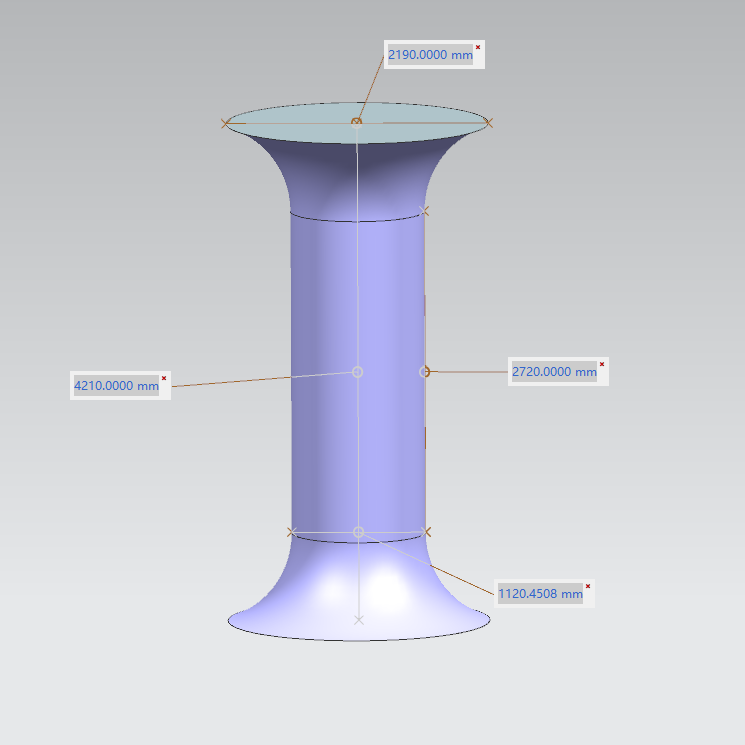
Стандартне відео у співвідношенні сторін 16:9 не завжди можна розмістити безпосередньо на сферичному, циліндричному, кільцеподібному чи хвилястому екрані.
Інтегратор АВ-систем повинен підтвердити роздільну здатність LED та розміри робочого полотна для контенту на початковому етапі проекту.
Наприклад, контент, що відображається на циліндрі, може потребувати обгортання навколо конструкції. Для сфери потрібен інший метод відображення, оскільки глядачі можуть бачити дисплей з кількох напрямків.
Робочий процес може включати такі етапи:
Джерело контенту → Відеопроцесор → Піксельне відображення → Контролер LED → Дисплей нестандартної форми
Дизайнери контенту повинні отримати правильну роздільну здатність та шаблон відображення до створення фінального медіафайлу.
Це особливо важливо для брендованих анімацій, тривимірних ефектів та іммерсивних інсталяцій.
Екран може здаватися вражаючим у день відкриття, але він також повинен залишатися придатним для експлуатації протягом років.
Інтегратори АВ мають запитати, як техніки отримають доступ до:
Деякі проекти можуть використовувати обслуговування з передньої сторони, тоді як інші вимагають внутрішнього або заднього доступу.
Складний архітектурний дизайн ніколи не повинен ускладнювати заміну несправного модуля до неможливості.
Планування доступу для обслуговування на етапі проектування може зменшити майбутні простої та витрати на обслуговування.
Світлодіодні дисплеї нестандартної форми слід збирати й тестувати на заводі, коли це можливо.
Заводське тестування може включати:
Це дає інтегратору та виробнику можливість виявити проблеми до того, як екран прибуде на об’єкт.
Модулі, кабелі та конструктивні частини також можна маркувати згідно з їхніми позиціями встановлення. Це особливо корисно, коли великий неправильний дисплей потрібно розібрати для міжнародної транспортування й зібрати знову на місці.
Встановлення на місці має відбуватися в чіткій послідовності.
Типовий процес такий:
Конструкція → LED-модулі → Електроживлення → Сигнал → Контролер → Мапінг → Калібрування → Остаточне тестування
Інтегратор також має забезпечити, щоб команда з монтажу конструкцій, електрики, фахівці з LED-технологій та команда з контенту розуміли свої обов’язки.
Після встановлення перевірте повний екран на відповідність розташування модулів, узгодженість кольорів, стабільність сигналу та правильність мапінгу контенту.
Для незвичайних конструкцій, таких як кулі, циліндри та вигнуті дисплеї, випробування слід проводити з кількох точок огляду, а не лише безпосередньо перед екраном.
Перед розміщенням замовлення підтвердьте ключову інформацію щодо проекту з виробником:
Ця інформація допомагає зменшити комунікаційні проблеми між клієнтом, архітектором, інтегратором АВ та виробником LED.
Успішний проект LED-екрану нестандартної форми починається задовго до того, як LED-модулі прибудуть на об’єкт.
Для інтеграторів АВ найважливішим завданням є з’єднання всіх складових проекту: архітектури, LED-обладнання, конструкції, живлення, керування, контенту та обслуговування.
Співпраця з досвідченим виробником на ранніх етапах проектування може значно спростити цей процес.
Екран AI надає індивідуальні рішення з LED-дисплеїв для різних творчих конструкцій та застосувань. До нашого асортименту входять LED-екрани нестандартної форми, сферичні LED-дисплеї, циліндричні дисплеї та інші неправильні LED-рішення.
Від проектування та виробництва до технічного супроводу й післяпродажного обслуговування — наша команда може співпрацювати з AV-інтеграторами, щоб перетворити творчі концепції дисплеїв на практичні LED-інсталяції.
Якщо ви плануєте проект LED-дисплея нестандартної форми, надішліть нам розміри екрана, умови встановлення, відстань перегляду та креслення дизайну. Наша команда допоможе оцінити конфігурацію LED перед початком виробництва.
 Гарячі новини
2026-10-12
2026-10-11
2026-10-06
Copyright © 2025 by Shenzhen Ai Display Technology Co., Ltd - ПОЛІТИКА КОНФІДЕНЦІЙНОСТІ
 EN
EN