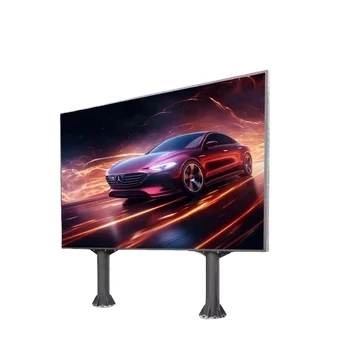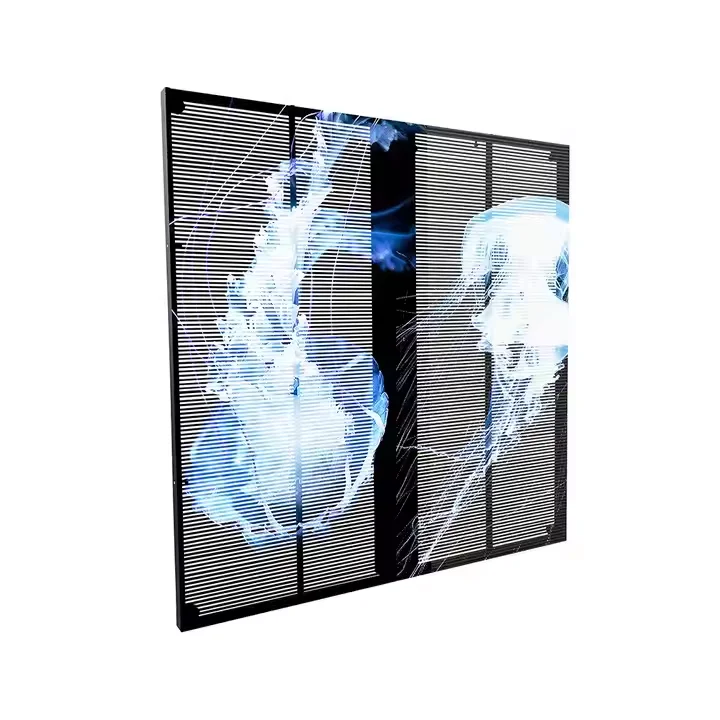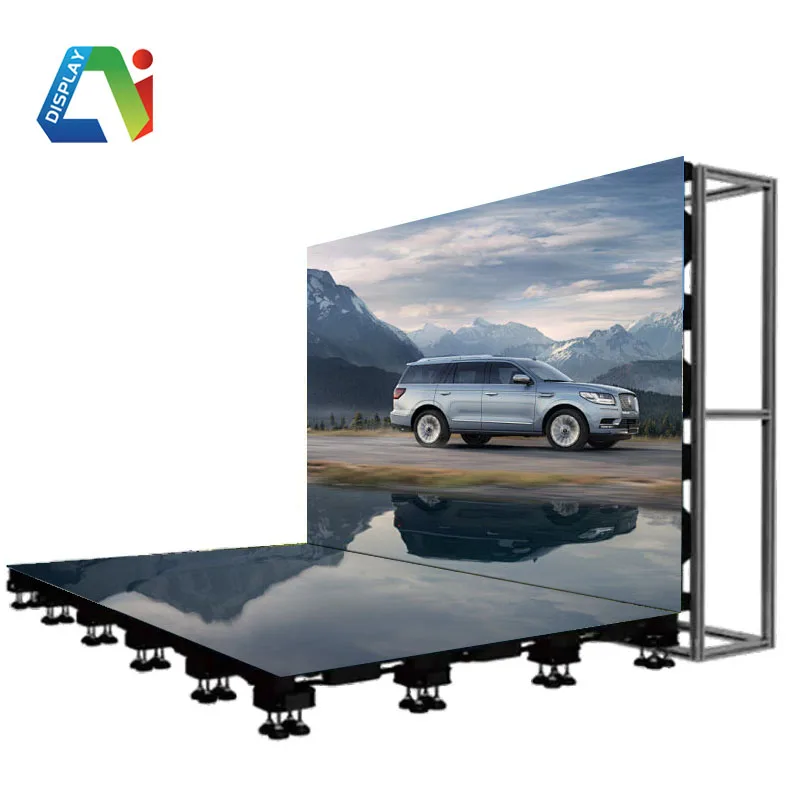
Dans le secteur des écrans LED, la qualité d'image à elle seule ne suffit plus. Les marques, les architectes, les espaces de vente au détail, les musées et les lieux de divertissement immersifs recherchent désormais des écrans qui s’intègrent pleinement dans l’environnement lui-même. Cette demande stimule la croissance rapide de écrans LED sur mesure de formes spécifiques , également connu sous le nom de affichages LED irréguliers ou écrans LED créatifs .
Des murs vidéo incurvés aux colonnes cylindriques, en passant par les plafonds ondulés, les sphères LED et les écrans en ruban, les écrans LED sur mesure transforment la conception des expériences visuelles. Toutefois, bien que ces écrans soient impressionnants, leur fiabilité à long terme et la cohérence de leur image restent des défis techniques majeurs.
Des échanges récents entre ingénieurs vidéo professionnels et intégrateurs de systèmes mettent en lumière une vérité essentielle du secteur :
La véritable qualité d’un écran LED dépend moins des caractéristiques marketing que de sa conception thermique, de la stabilité de son étalonnage, de sa facilité d’entretien et de sa maintenabilité à long terme.
Un écran LED sur mesure est un affichage LED qui s'écarte des formats rectangulaires plats traditionnels. Ces affichages sont conçus pour s'adapter à des concepts architecturaux ou artistiques uniques.
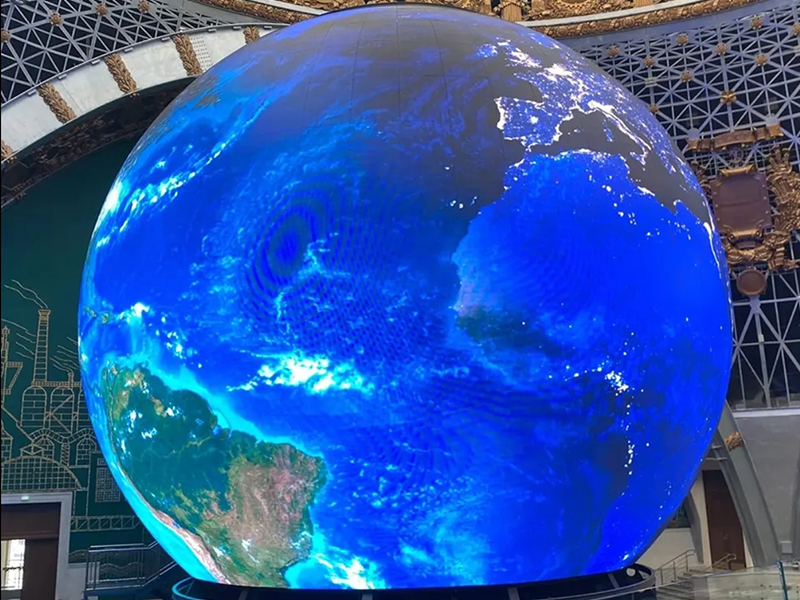
Les formes courantes d'affichages LED créatifs comprennent :
Contrairement aux panneaux LED conventionnels, les écrans LED irréguliers nécessitent des structures de caissons spécialisées, des cartes de circuits imprimés (PCB) personnalisées et des systèmes avancés de mappage de pixels.
Comme chaque projet est unique, la complexité technique est nettement supérieure à celle des murs vidéo LED standards.
Plusieurs secteurs accélèrent l'adoption de la technologie créative d'affichage LED :
Détaillants et marques de luxe
Les magasins phares utilisent de plus en plus des écrans LED incurvés et sculpturaux afin de créer des expériences de marque immersives. Une installation LED sur mesure peut transformer une devanture en une attraction emblématique.
Musées et centres d’expériences
Les musées privilégient les systèmes LED irréguliers, car ils allient habilement narration numérique et architecture physique. Les écrans LED en dôme et les murs panoramiques incurvés sont particulièrement prisés.
Studios de production virtuelle
Les arrière-plans LED créatifs deviennent indispensables pour les studios XR et les environnements de production virtuelle. Des courbes parfaitement continues permettent de réduire les bords visibles et d’améliorer l’immersion caméra.
Divertissement et événements
Les tournées de concerts, les salles dédiées à l’e-sport et les attractions thématiques comptent largement sur des structures LED sur mesure pour créer des environnements visuellement dynamiques.
Un écran LED de forme personnalisée peut paraître impeccable le jour de son installation. Le véritable défi commence après des milliers d’heures de fonctionnement.
Des ingénieurs professionnels identifient systématiquement quatre problèmes majeurs à long terme :
Avec le temps, les diodes LED vieillissent de façon inégale. Cela entraîne :
Sur les écrans LED irréguliers, le problème devient encore plus marqué, car les surfaces courbes réfléchissent la lumière différemment selon les angles de vision.
C'est pourquoi un étalonnage au niveau des pixels est essentiel pour les projets créatifs utilisant des LED.
Les systèmes modernes haut de gamme utilisent :
Sans une gestion adéquate de l’étalonnage, même les écrans LED haut de gamme peuvent perdre leur cohérence visuelle après une utilisation prolongée.
L’un des aspects les plus négligés de l’ingénierie créative des écrans LED est la gestion de la chaleur.
Les écrans LED sur mesure présentent souvent :
Une conception thermique médiocre accélère :
Dans de nombreuses installations, c’est la chaleur — et non les LED elles-mêmes — qui réduit en fin de compte la durée de vie du système.
Pour cette raison, les fabricants premium de LED irrégulières investissent massivement dans :
De nombreux acheteurs accordent une attention particulière à des caractéristiques techniques telles que :
Bien que ces indicateurs soient importants, les ingénieurs expérimentés privilégient souvent autre chose :
Accessibilité pour maintenance
Pour les installations à long terme, l’efficacité de la maintenance peut déterminer le coût total de possession.
Un affichage LED sur mesure bien conçu doit permettre :
Si les techniciens doivent démonter de grandes sections de la structure uniquement pour remplacer un seul module défectueux, les coûts de maintenance augmentent considérablement.
Pour les affichages LED complexes, courbés ou sculpturaux, l’ingénierie modulaire est essentielle.
Les murs LED plats nécessitent déjà un étalonnage précis. Les écrans LED irréguliers exigent des systèmes de correction encore plus avancés.
Pourquoi ?
Car les géométries sur mesure introduisent des variables visuelles supplémentaires :
Les flux de travail professionnels d’étalonnage pour écrans LED créatifs comprennent généralement :
Calibrage en usine
Effectué avant expédition afin d’établir une uniformité de luminosité et de couleur de référence.
Étalonnage sur site
Exécuté après l'installation afin de compenser les conditions environnementales et les contraintes structurelles.
Réétalonnage périodique
Nécessaire après une utilisation prolongée afin de corriger les déviations liées au vieillissement.
Les projets haut de gamme utilisent de plus en plus des systèmes d'étalonnage automatisés basés sur des caméras, capables d'effectuer une correction rapide de l'ensemble de l'écran.
L’essor de la technologie COB (Chip-on-Board) transforme le marché créatif des LED.
LED SMD
Avantages :
Défis :
COB LED
Avantages :
Défis :
Pour les installations immersives haut de gamme, la technologie COB devient de plus en plus attractive, notamment pour les applications à pas fin.
 Actualités chaudes
2026-10-20
2026-10-19
2026-10-17
Copyright © 2025 by Shenzhen Ai Display Technology Co., Ltd - Politique de confidentialité
 EN
EN