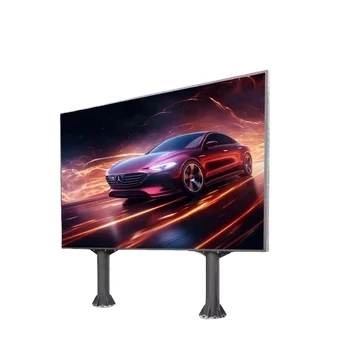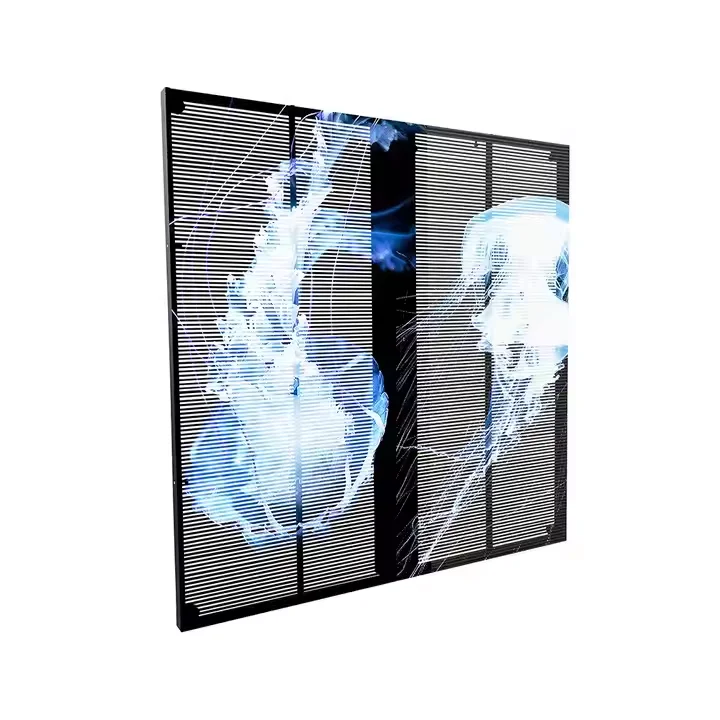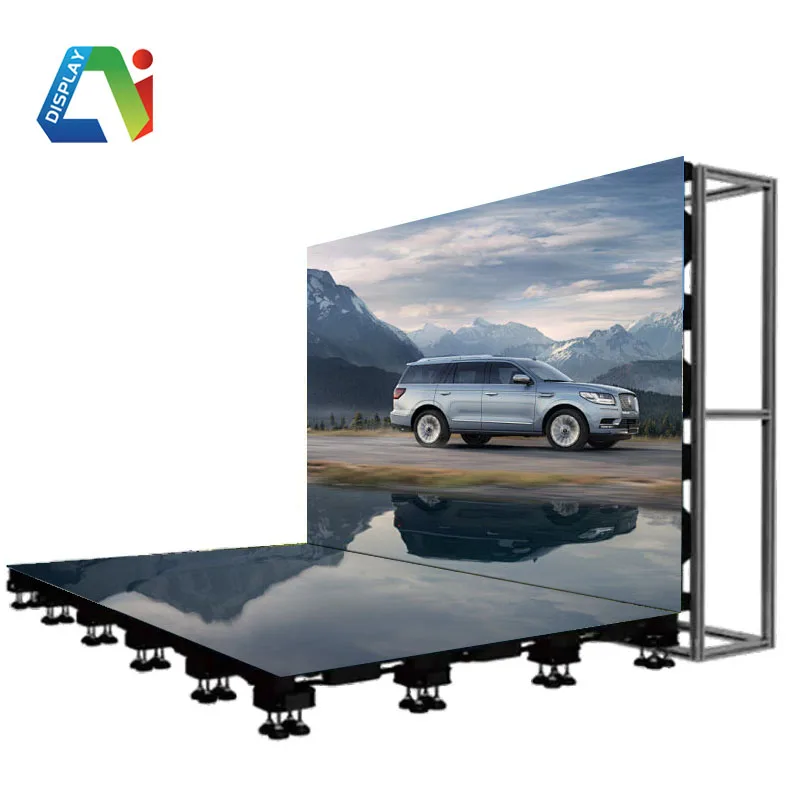
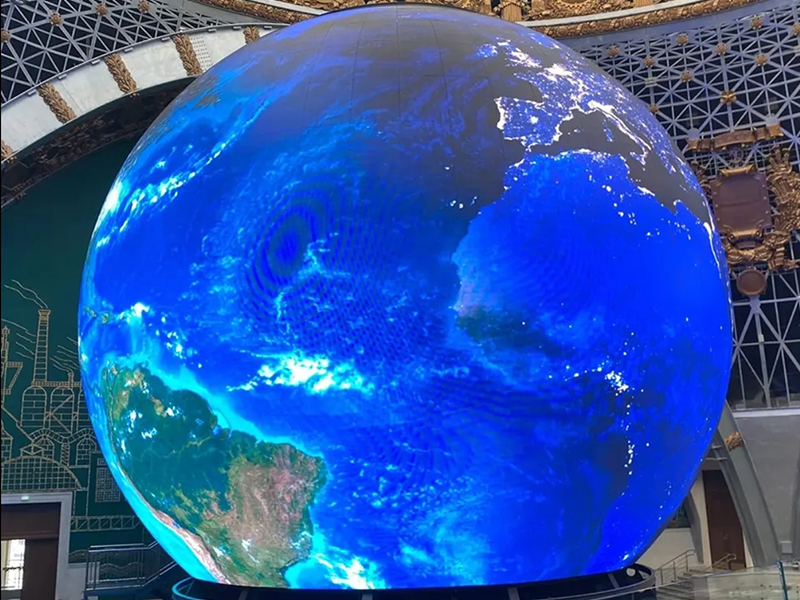
In the LED display industry, image quality alone is no longer enough. Brands, architects, retail spaces, museums, and immersive entertainment venues now want displays that become part of the environment itself. This demand is driving the rapid growth of custom-shaped LED screens, also known as irregular LED displays or creative LED displays.
From curved video walls to cylindrical columns, wave-shaped ceilings, LED spheres, and ribbon displays, custom LED screens are transforming how visual experiences are designed. But while these displays look impressive, long-term reliability and image consistency remain major engineering challenges.
Recent discussions among professional video engineers and system integrators highlight an important industry truth:
The real quality of an LED display is determined less by marketing specifications and more by thermal design, calibration stability, maintainability, and long-term serviceability.
A custom-shaped LED screen is an LED display that breaks away from traditional flat rectangular formats. These displays are engineered to fit unique architectural or artistic concepts.
Common creative LED display forms include:
Unlike conventional LED panels, irregular LED screens require specialized cabinet structures, custom PCB layouts, and advanced pixel mapping systems.
Because every project is unique, the engineering complexity is significantly higher than standard LED video walls.
Several industries are accelerating adoption of creative LED display technology:
Retail and Luxury Brands
Flagship stores increasingly use curved and sculptural LED displays to create immersive brand experiences. A custom LED installation can turn a storefront into a landmark attraction.
Museums and Experience Centers
Museums prefer irregular LED systems because they blend digital storytelling with physical architecture. Dome LED displays and panoramic curved walls are especially popular.
Virtual Production Studios
Creative LED backgrounds are becoming essential for XR stages and virtual production environments. Seamless curves help reduce visible edges and improve camera immersion.
Entertainment and Events
Concert tours, esports venues, and themed attractions rely heavily on custom LED structures to create visually dynamic environments.
A custom-shaped LED display may look flawless on installation day. The real challenge begins after thousands of operating hours.
Professional engineers consistently identify four major long-term issues:
Over time, LED diodes age unevenly. This creates:
On irregular LED screens, the problem becomes even more noticeable because curved surfaces reflect light differently across viewing angles.
This is why pixel-level calibration is critical for creative LED projects.
Modern high-end systems use:
Without proper calibration management, even premium LED screens can lose visual consistency after extended use.
One of the most overlooked aspects of creative LED engineering is heat management.
Custom-shaped LED screens often have:
Poor thermal design accelerates:
In many installations, heat—not the LEDs themselves—is what ultimately shortens system lifespan.
For this reason, premium irregular LED manufacturers invest heavily in:
Many buyers focus heavily on specifications like:
While these metrics matter, experienced engineers often prioritize something else entirely:
Serviceability
For long-term installations, maintenance efficiency can determine the total cost of ownership.
A well-designed custom LED display should allow:
If technicians must dismantle large sections of the structure just to replace one failed module, maintenance costs rise dramatically.
For complex curved or sculptural LED displays, modular engineering is essential.
Flat LED walls already require precise calibration. Irregular LED screens demand even more advanced correction systems.
Why?
Because custom geometries introduce additional visual variables:
Professional calibration workflows for creative LED displays usually include:
Factory Calibration
Performed before shipment to establish baseline brightness and color uniformity.
On-Site Calibration
Executed after installation to compensate for environmental conditions and structural stress.
Periodic Recalibration
Necessary after long-term operation to correct aging-related deviations.
High-end projects increasingly use automated camera-based calibration systems capable of performing rapid full-screen correction.
The rise of COB (Chip-on-Board) technology is changing the creative LED market.
SMD LED
Advantages:
Challenges:
COB LED
Advantages:
Challenges:
For premium immersive installations, COB is becoming increasingly attractive, especially for fine-pitch applications.
 Hot News
2026-10-21
2026-10-20
2026-10-19
Copyright © 2025 by Shenzhen Ai Display Technology Co., Ltd - Privacy policy
 EN
EN