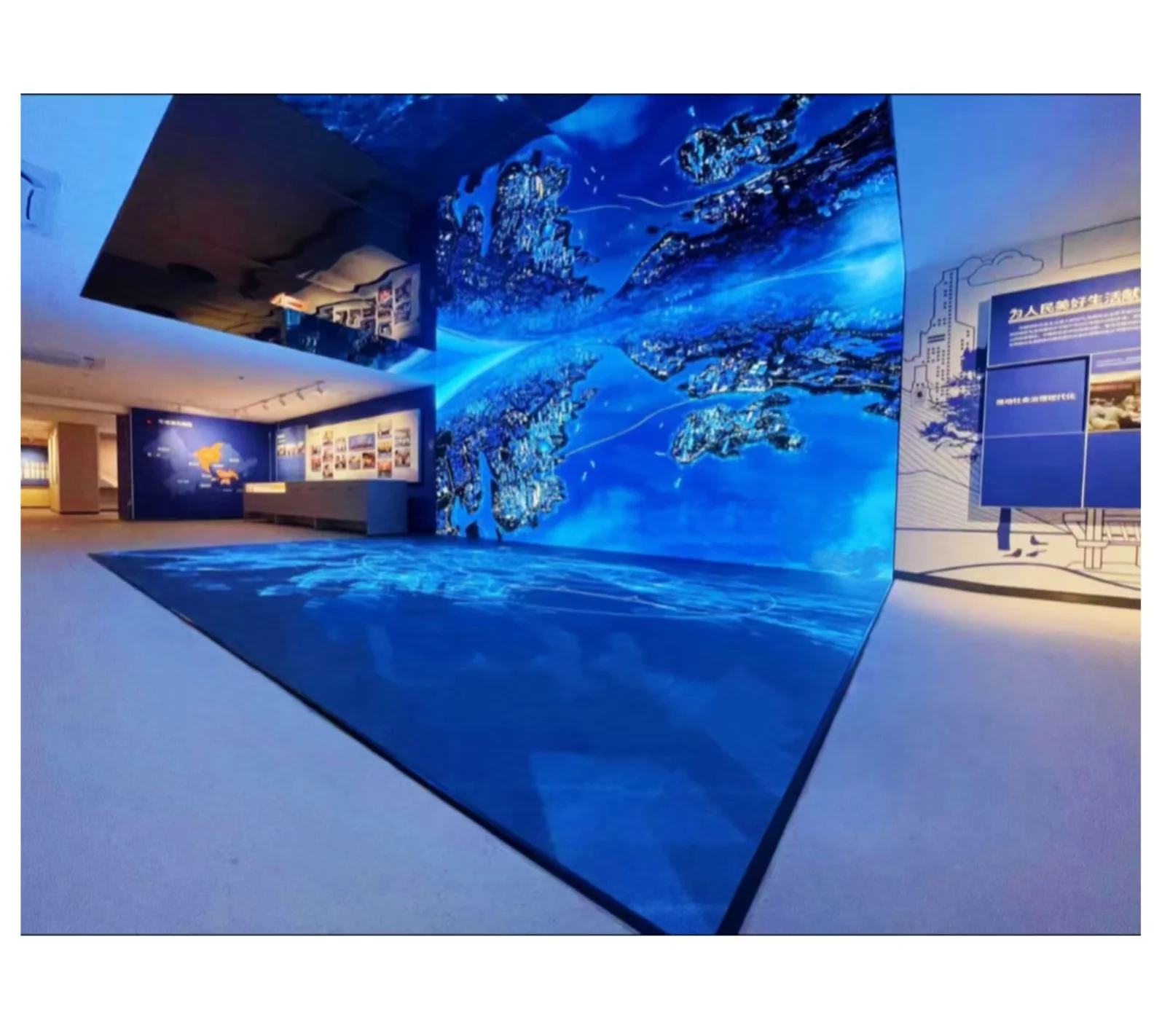
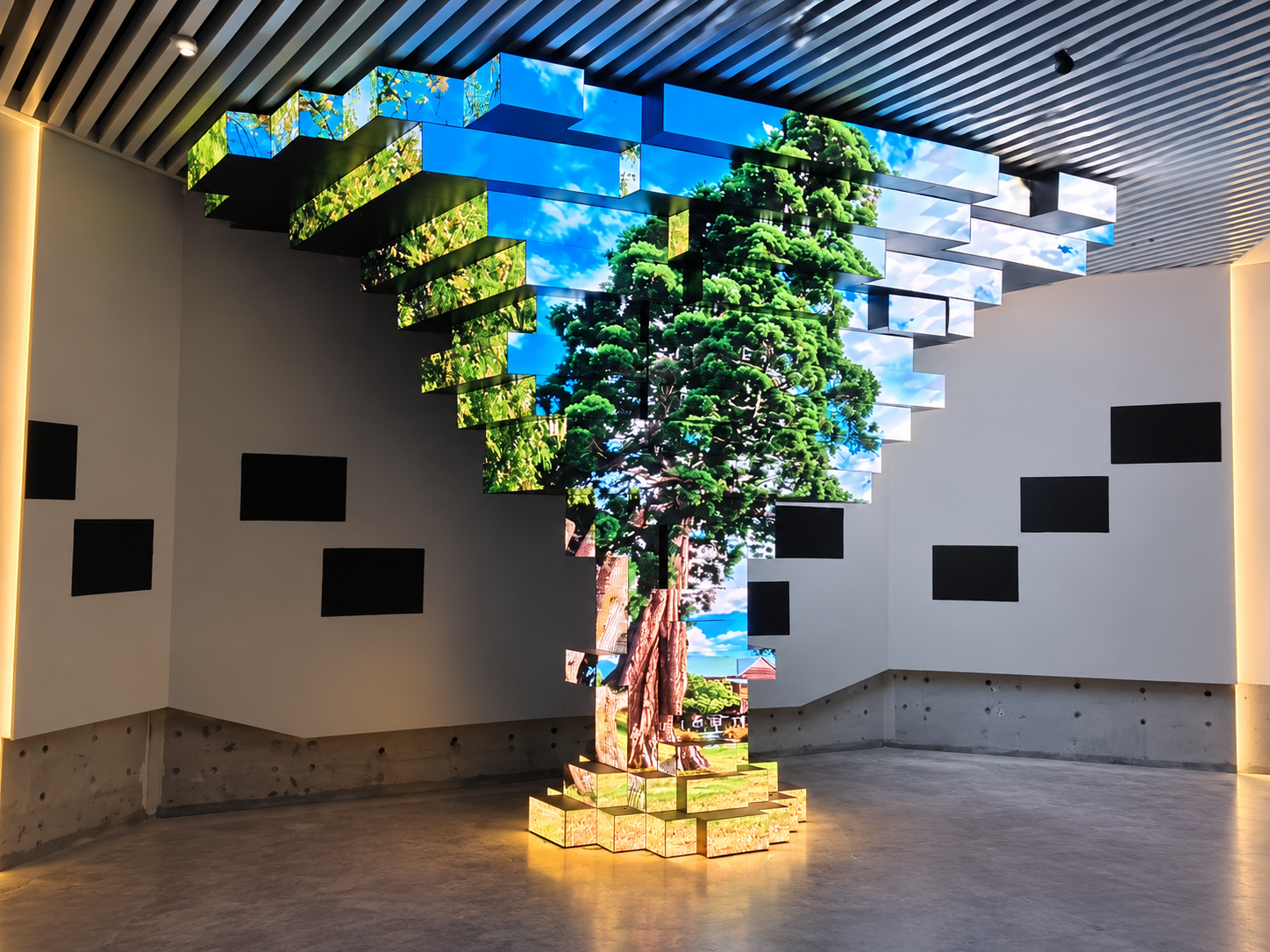
Um designer pode querer uma tela LED criativa quase alinhada com a parede. Isso tem aparência mais limpa, economiza espaço no piso e ajuda a tela a se integrar à arquitetura
Mas então surge um problema de instalação:
Há quase nenhum espaço atrás da tela LED. O projeto ainda pode funcionar?
Em muitos casos, sim.
No entanto, um pequeno afastamento traseiro não significa simplesmente escolher um módulo LED mais fino. O suporte de montagem, os cabos, as fontes de alimentação, os cartões receptores, a ventilação e a manutenção futura precisam todos ser considerados antes da produção.
Para um tela LED de formato personalizado esse planejamento torna-se ainda mais importante porque a estrutura pode ser curva, angular ou totalmente irregular.
Uma tela LED convencional com manutenção traseira exige espaço suficiente atrás da tela para que técnicos possam entrar ou acessar os componentes internos.
Quando a tela é instalada muito próxima a uma parede sólida, esse caminho de manutenção desaparece.
A tela pode parecer perfeita imediatamente após a instalação, mas problemas podem surgir posteriormente. Por exemplo, um técnico pode ser capaz de remover um módulo LED, mas ainda assim não conseguir acessar a fonte de alimentação localizada atrás dele. Um cabo de sinal danificado também pode ficar preso entre a estrutura de montagem e a parede.
No pior dos casos, parte da tela ou da decoração circundante deve ser desmontada apenas para substituir um único componente.
É por isso o acesso para manutenção deve ser planejado antes da fabricação da tela LED criativa e não após a instalação.
Um erro comum é considerar apenas a espessura do módulo LED.
A profundidade real de instalação é mais complexa.
Um sistema típico pode incluir:
Módulo LED → estrutura de montagem → componentes de alimentação e controle → cabos e conectores → parede
Telas criativas podem tornar esse arranjo ainda mais complexo.
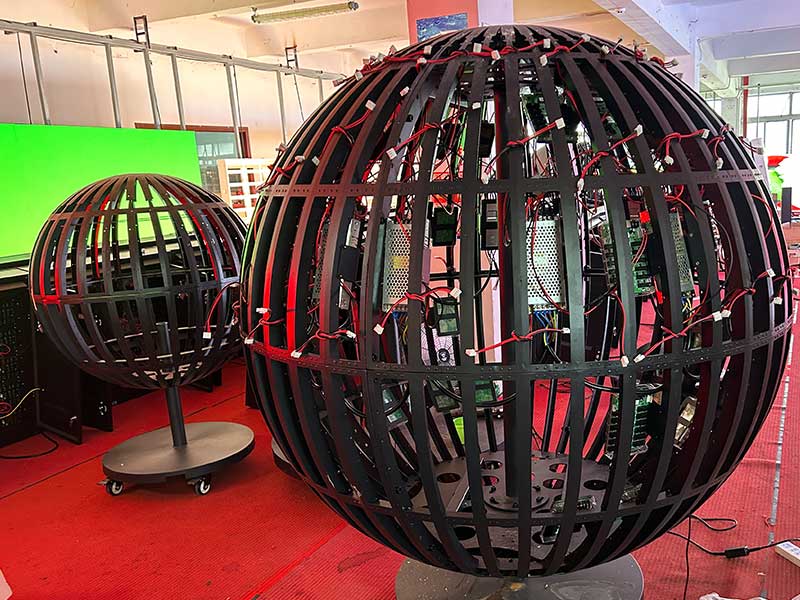
Por exemplo, um parede de LED curva pode exigir um suporte com formato especial. Uma tela ondulada pode ter profundidades diferentes em pontos distintos. Um display LED envolvendo uma superfície arquitetônica também necessita de espaço para cabos de alimentação e sinal seguirem a estrutura.
Portanto, “sem corredor de manutenção traseira” nem sempre significa “profundidade de instalação nula.”
A estrutura completa precisa ser verificada.
Uma das soluções mais práticas é uma concepção de manutenção total pela frente .
Em vez de acessar os componentes LED por trás, os técnicos realizam a manutenção da tela pelo lado de visualização.
Módulos LED magnéticos podem ser removidos pela frente com uma ferramenta de serviço adequada. O layout interno pode então ser projetado de modo que as placas receptoras, fontes de alimentação e demais componentes também sejam acessíveis pela frente.
Isso é especialmente útil para:
As soluções LED de manutenção frontal para ambientes internos da AiDisplay, por exemplo, utilizam módulos montados magneticamente que podem ser removidos pela frente para acesso aos componentes internos.
A manutenção frontal elimina a necessidade de um corredor tradicional de serviço traseiro, mas a estrutura interna ainda precisa ter espaço suficiente para remoção segura dos componentes e roteamento de cabos.
Quando o espaço é extremamente limitado, cada camada importa.
Uma estrutura leve de alumínio ou de aço personalizada pode reduzir a profundidade total da instalação. As fontes de alimentação e os cartões receptores devem ser posicionados de modo a não criar pontos desnecessariamente espessos atrás da tela.
O roteamento de cabos é igualmente importante.
Cabos de alimentação e sinal não devem ser comprimidos firmemente entre a tela e a parede. Os conectores também precisam de espaço suficiente para evitar dobras acentuadas, compressão ou desconexão acidental.
Para telas irregulares, os engenheiros podem projetar rotas de cabos com base na geometria final, em vez de usar um layout de fiação padrão.
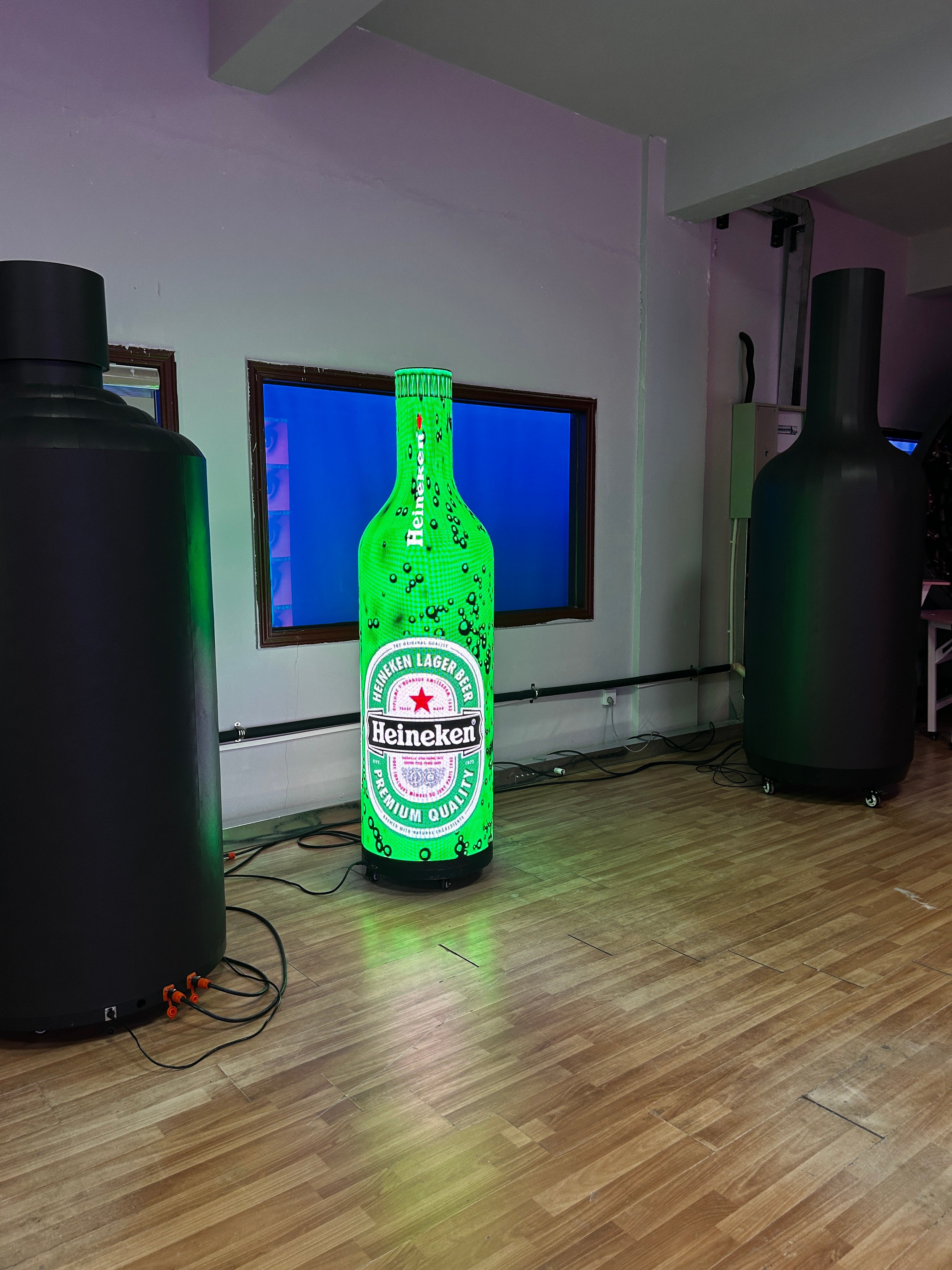
AiDisplay's tela LED de formato personalizado soluções podem ser projetadas para estruturas curvas e irregulares, onde gabinetes retangulares padrão não são adequados.
Mover uma tela LED criativa mais perto de uma parede altera o fluxo de ar.
Isso pode tornar-se importante em instalações com alta densidade de potência ou longas horas diárias de operação.
Se houver pouco fluxo de ar natural atrás da tela, o calor pode se acumular ao redor das fontes de alimentação, circuitos integrados controladores (driver ICs) e outros componentes eletrônicos. Com o tempo, temperaturas excessivas podem afetar a estabilidade e a vida útil dos componentes.
A solução depende do projeto.
Engenheiros podem utilizar estruturas de alumínio para melhorar a transferência de calor, otimizar o layout interno dos componentes, deixar vias controladas de ventilação ou adicionar refrigeração onde necessário.
O ponto importante é simples:
Nunca reduza a profundidade de instalação sem verificar o desempenho térmico.
Uma instalação mais fina só é útil quando o display ainda puder operar de forma confiável.
Em projetos criativos incomuns com LEDs, desenhos isolados podem não revelar todos os problemas de manutenção.
Um método prático consiste em fabricar uma amostra representativa ou uma seção pré-montada antes da produção em massa.
Em seguida, realize um teste de remoção frontal .
Técnicos devem verificar se conseguem:
Este teste é especialmente útil para telas curvas, em cantos e com formatos irregulares.
Se um componente não puder ser removido facilmente durante o teste, a estrutura ainda pode ser modificada antes da produção. Alterar um desenho ou protótipo é muito mais fácil do que reconstruir uma parede LED já instalada.
Não existe uma única estrutura para todos os projetos.
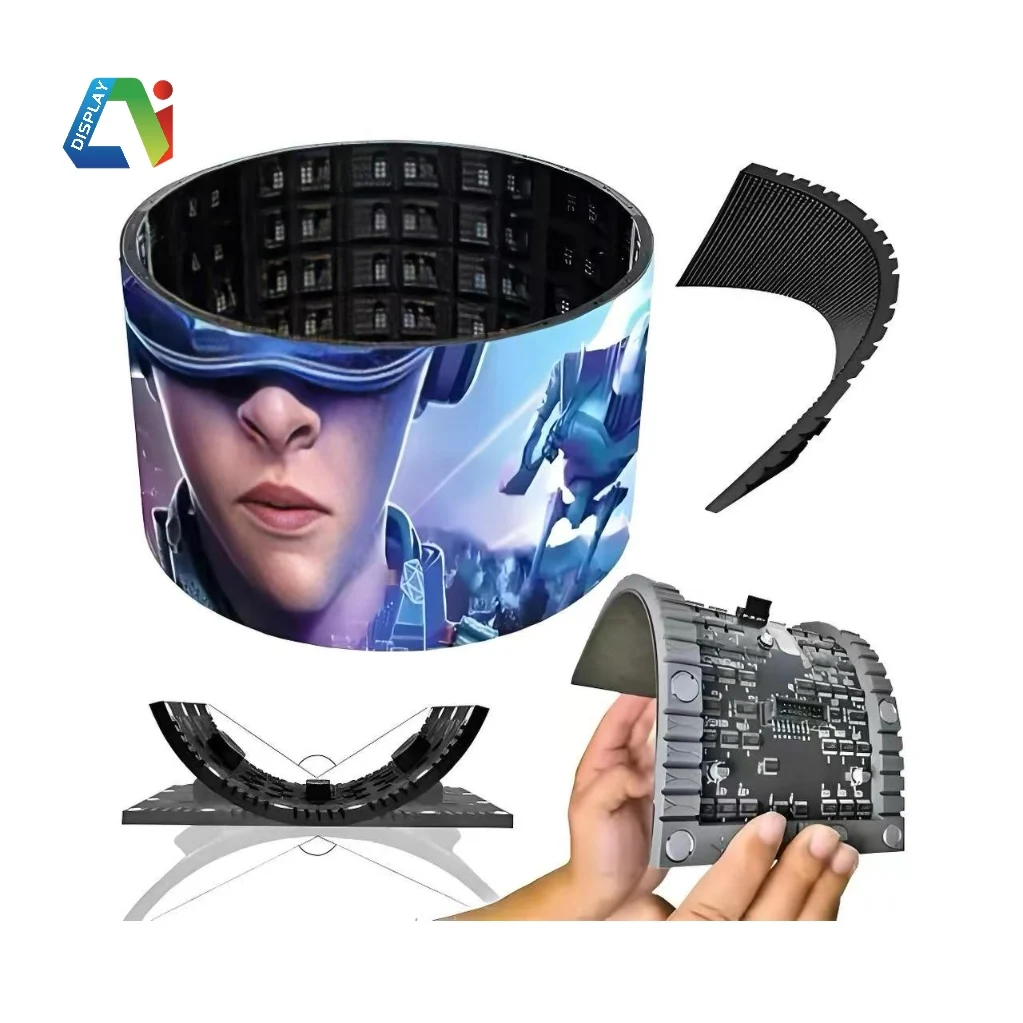
Uma parede plana pode usar gabinetes de serviço frontal ultrafinos. Uma superfície curva pode exigir módulos LED flexíveis fixados em um quadro personalizado.
AiDisplay's display LED flexível as soluções podem formar curvas, cilindros, ondas e outras superfícies não planas.
Para conceitos mais incomuns, podem ser necessários módulos e estruturas personalizados.
A escolha deve depender de quatro fatores:
profundidade disponível + forma do display + direção de manutenção + ambiente de instalação.
Escolher primeiro o módulo e tentar resolver a estrutura posteriormente frequentemente cria problemas desnecessários.
Próximo à parede exibição LED criativa as instalações são particularmente úteis onde os arquitetos não desejam um grande espaço técnico atrás da tela.
Uma loja de varejo, por exemplo, pode querer uma parede curva de LED como destaque sem perder área útil no piso.
Museus e salas de exposição podem integrar displays criativos de LED diretamente nas paredes ou em estruturas personalizadas. showrooms corporativos podem usar telas curvas ou irregulares como parte do projeto de interiores, em vez de tratar o display como um equipamento separado.
A AiDisplay desenvolveu soluções LED flexíveis e irregulares para aplicações comerciais e de exposição, nas quais a tela precisa seguir a arquitetura circundante.
Não necessariamente. Ela pode eliminar a necessidade de um corredor de manutenção traseiro, mas o quadro, os cabos, os conectores e o projeto térmico ainda exigem espaço para instalação.
Ela pode ser instalada muito próxima a uma parede, desde que a estrutura de suporte, a curvatura, a fiação e o método de manutenção sejam projetados para essa condição.
 Notícias Quentes
2026-10-22
2026-10-21
2026-10-20
Copyright © 2025 by Shenzhen Ai Display Technology Co., Ltd - POLÍTICA DE PRIVACIDADE
 EN
EN