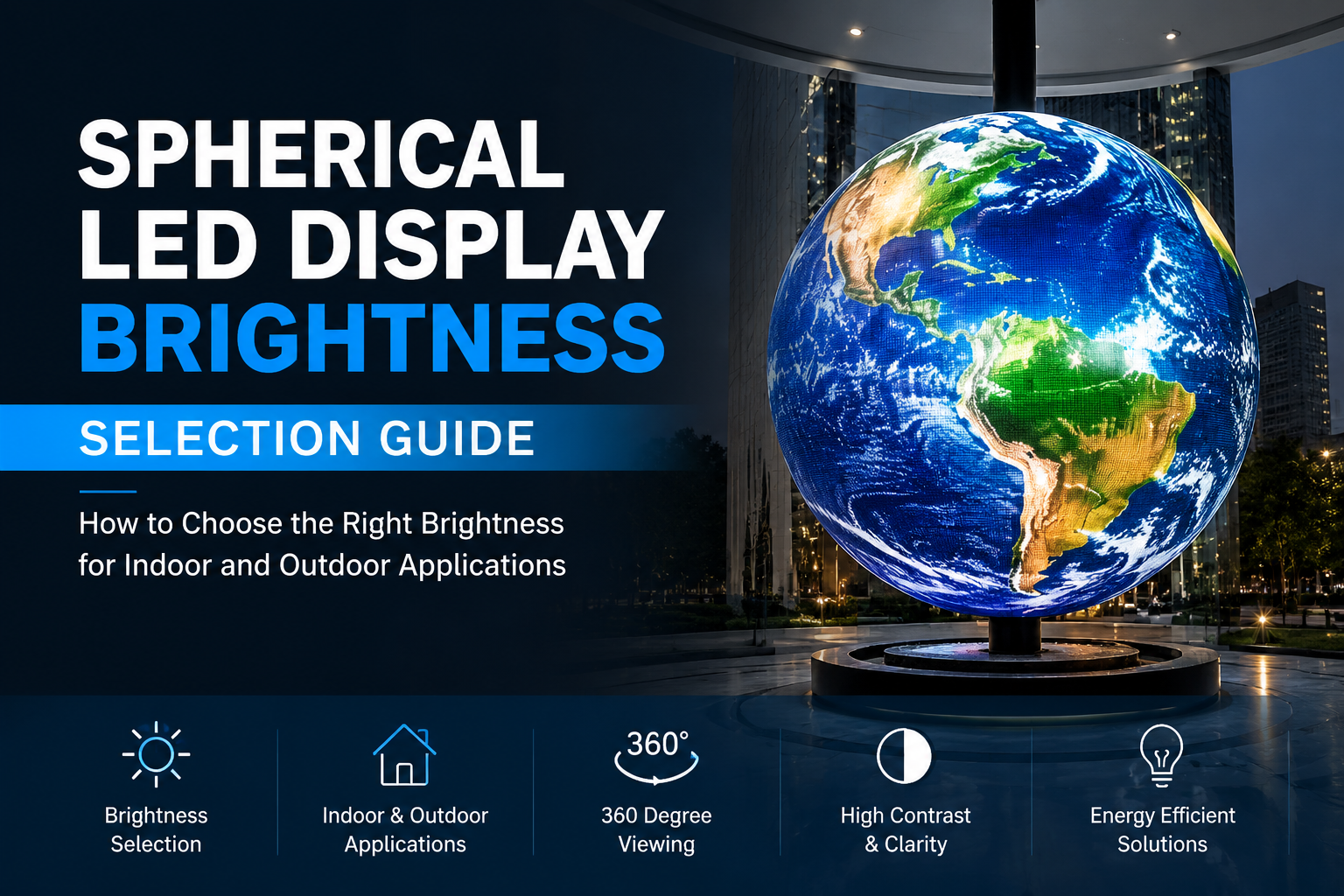
Яркость — один из самых важных факторов при выборе Сферический светодиодный дисплей . Подходящий уровень яркости определяет, будет ли контент отображаться чётко, сохранятся ли точность цветопередачи и комфорт просмотра для зрителей.
В отличие от традиционных плоских LED-экранов сферические светодиодные дисплеи обеспечивают панорамный обзор на 360 градусов. Поскольку зрители могут смотреть на экран с разных направлений, согласованность яркости и равномерность распределения света становятся особенно важными.
Многие клиенты при покупке сферического LED-дисплея в первую очередь обращают внимание на шаг пикселя или диаметр сферы, однако выбор яркости не менее критичен. Неправильный выбор яркости может привести к плохой видимости на улице или избыточному энергопотреблению в помещении.
В этом руководстве объясняется, как выбрать подходящий Яркость сферического LED-дисплея зависит от области применения, условий окружающей среды, расстояния просмотра и условий монтажа.
Яркость LED-дисплея обычно измеряется в нитах (кд/м²) , что указывает на количество света, излучаемого светодиодной поверхностью.
Для сферических светодиодных экранов яркость влияет на несколько важных факторов:
Более высокий уровень яркости не всегда означает лучшую производительность. Правильный уровень яркости зависит от места установки сферического светодиодного экрана и условий просмотра дисплея аудиторией.
Например, внутренний сферический светодиодный дисплей, используемый в музее, не требует такой же яркости, как внешний светодиодный глобус, установленный под прямыми солнечными лучами.
Профессиональные сферические светодиодные решения обычно предлагают различные варианты яркости, обычно в диапазоне от примерно 800 кд/м² для внутренних применений до 6000 кд/м² и выше — для наружных условий .
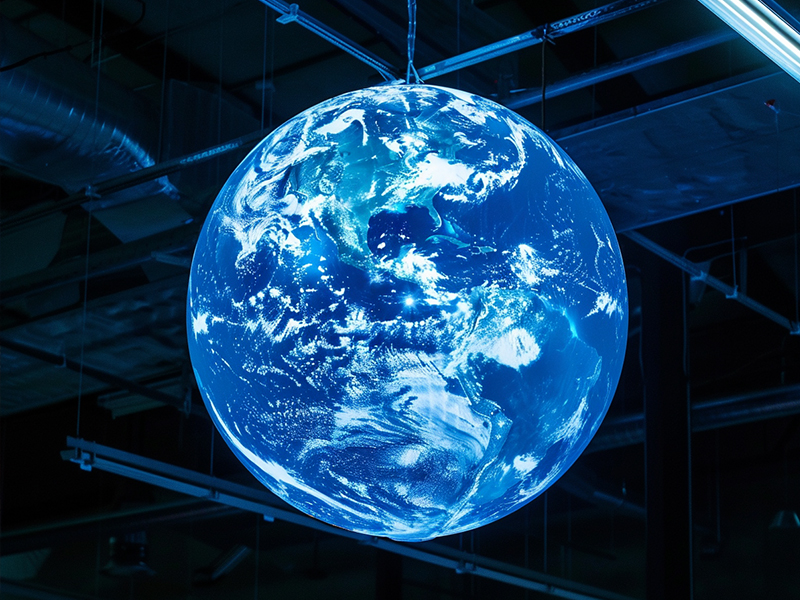
Главное преимущество сферического LED-дисплея — возможность демонстрации контента со всех направлений.
Однако это также предъявляет более высокие требования к равномерности яркости.
Традиционные LED-стены в основном ориентированы на просмотр спереди, тогда как сферические LED-дисплеи должны обеспечивать стабильное качество изображения по всей изогнутой поверхности.
Высококачественный сферический LED-дисплей должен обеспечивать:
Это особенно важно для крупных уличных сферических LED-дисплеев, устанавливаемых в общественных местах, где зрители могут находиться в разных точках вокруг дисплея.
Требуемая яркость LED-сферы зависит в первую очередь от условий установки.
| Приложение | Среда | Рекомендуемая яркость |
|---|---|---|
| LED-сфера для музея | Внутренняя среда с низким уровнем освещённости | 800–1200 кд/м² |
| Светодиодная глобусная установка для выставок | Внутренняя выставочная зона | 1000–1500 кд/м² |
| Сферический дисплей для торговых центров | Яркая внутренняя среда | 1500–2500 кд/м² |
| Сферическая установка для наружной рекламы | Солнечный свет на открытом воздухе | 5000–6000 кд/м² |
| Сферический наружный светодиодный дисплей Landmark | Интенсивного солнечного света | 6000 кд/м²+ |
Правильный выбор яркости позволяет достичь оптимального баланса между качеством изображения, энергоэффективностью и долговечностью.
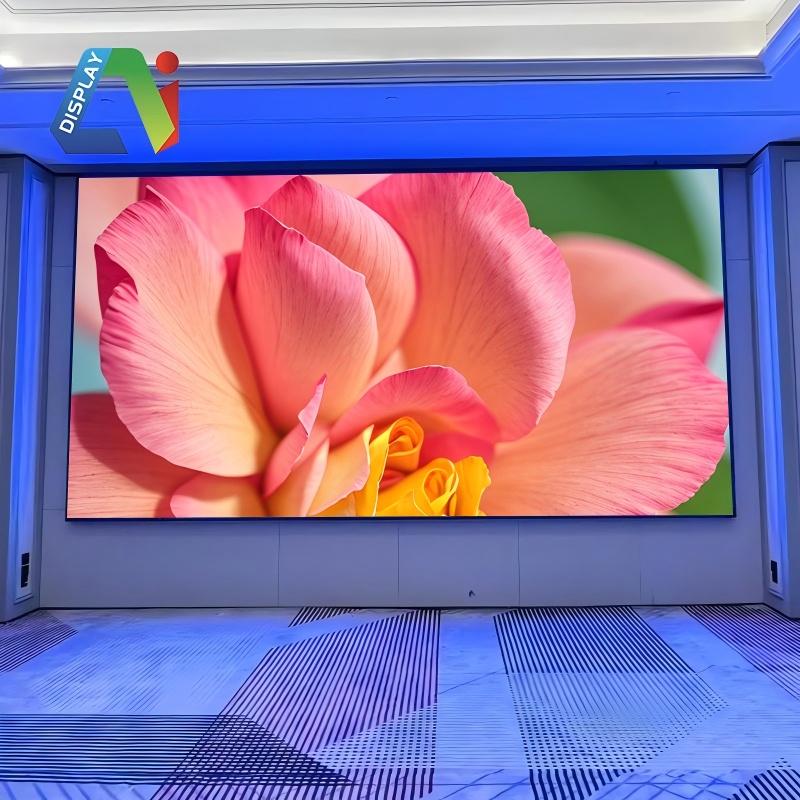
Внутренние помещения обычно имеют контролируемые условия освещения, поэтому чрезвычайно высокая яркость не требуется.
Распространённые внутренние применения включают:
Для этих применений обычно подходит уровень яркости в диапазоне 800–1500 кд/м² .
Более низкий уровень яркости обеспечивает несколько преимуществ:
Для помещений, где зрители находятся близко к экрану, также важно выбирать подходящий шаг пикселей. Решения с мелким шагом пикселей, например P1.2, P1.5 или P1.9, обеспечивают более чёткое изображение при близком расположении аудитории к сферическому LED-дисплею.
Наружные условия создают дополнительные сложности, поскольку LED-экраны должны конкурировать с естественным солнечным светом.
Факторы, влияющие на требования к яркости, включают:
Для наружного применения сферический LED-дисплей обычно требует более высокой яркости — примерно 5000–6000 кд/м² .
Типичные наружные применения включают:
Профессиональный наружный сферический светодиодный дисплей также должен включать:
Высокая яркость позволяет сохранять видимость контента на экране при работе в дневное время, а также обеспечивает хорошее качество изображения в ночное время за счёт регулировки яркости.
Яркость не следует выбирать отдельно. На окончательное требование влияет несколько других факторов.
Расстояние просмотра напрямую влияет на требования к яркости.
Например:
Профессиональный поставщик должен оценивать всю проектную среду, а не просто рекомендовать вариант с максимальной яркостью.
Размер светодиодной сферы также влияет на выбор яркости.
Малые сферические светодиодные дисплеи часто используются внутри помещений — на выставках и для коммерческого оформления.
Крупные светодиодные глобусные дисплеи обычно устанавливаются на открытом воздухе в качестве ориентиров или рекламных конструкций и требуют более высокого уровня яркости.
Окружающая осветительная среда — ещё один ключевой фактор.
Сфера, установленная в:
потребует различных уровней яркости.
Понимание условий эксплуатации помогает избежать как недостаточной, так и чрезмерной яркости.
Некоторые покупатели считают, что более высокая яркость всегда обеспечивает лучшую производительность дисплея. Однако чрезмерная яркость может вызвать ряд проблем.
Более высокая яркость требует большего электропотребления, что увеличивает эксплуатационные расходы.
Более высокая светоотдача светодиодов приводит к большему тепловыделению, что может повлиять на долгосрочную стабильность.
Чрезмерно яркие экраны в помещениях могут вызывать дискомфорт для глаз и ухудшать качество просмотра.
Лучшее решение — не выбор максимальной яркости, а подбор уровня яркости, соответствующего конкретному применению.
При выборе яркости для сферического LED-дисплея следует учитывать следующие факторы:
Профессиональный производитель LED-дисплеев может порекомендовать оптимальную конфигурацию яркости на основе требований проекта.
С помощью индивидуальных решений можно комбинировать различные шаги пикселей, размеры сфер и варианты яркости для создания наиболее подходящего LED-сферического дисплея для каждого применения.
Выбор правильного Яркость сферического LED-дисплея является обязательным условием для получения чётких изображений, точной цветопередачи и надёжной работы.
Внутренние сферические светодиодные дисплеи, как правило, требуют умеренного уровня яркости, тогда как наружные светодиодные сферы нуждаются в более высокой яркости для преодоления солнечного света и обеспечения видимости.
Идеальный уровень яркости — это не просто максимально возможное значение. Он должен соответствовать условиям установки, расстоянию просмотра и требованиям конкретного применения.
AI дисплей специализируется на индивидуальных решениях для светодиодных дисплеев. Правильный выбор яркости позволяет клиентам достичь лучшей визуальной производительности, снизить энергопотребление и увеличить срок службы сферического светодиодного дисплея.
Большинство внутренних сферических светодиодных дисплеев требуют примерно 800–1500 кд/м², тогда как наружные светодиодные сферы обычно требуют 5000 кд/м² и выше.
Наружные светодиодные сферические экраны, как правило, требуют яркости 5000–6000 кд/м² для обеспечения видимости при прямом солнечном свете.
 Свежие новости
2026-10-12
2026-10-11
2026-10-06
Copyright © 2025 by Shenzhen Ai Display Technology Co., Ltd - ПОЛИТИКА КОНФИДЕНЦИАЛЬНОСТИ
 EN
EN