A mobile LED display can help event organizers deliver live video, stage visuals, sponsor messages, and real-time information to large audiences. At music festivals and outdoor concerts, it may serve as a main stage screen, a side screen, or a mobile display for different event areas.
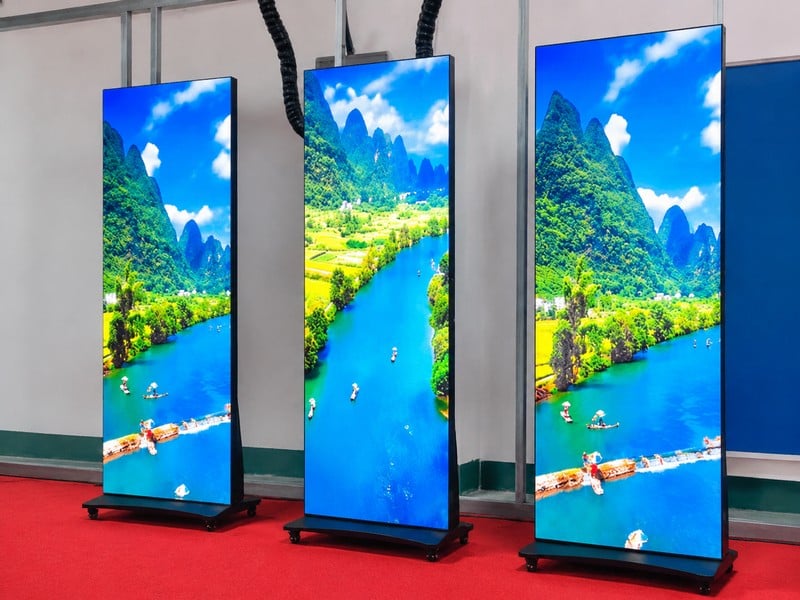
However, preparing an LED display for an outdoor event involves more than transporting the screen to the venue and turning it on. Power supply, installation conditions, weather protection, signal transmission, and content testing all need to be checked before the audience arrives.
A small preparation mistake can cause delays or interrupt a live performance. So, what should event organizers and rental companies check before using a mobile LED display? Here are the main points.
The first step is to confirm whether the selected LED display matches the event requirements.
A large music festival may need a high-brightness outdoor LED video wall to ensure that people standing far from the stage can see the content clearly. Smaller concerts or promotional events may use more compact mobile LED screens that are easier to transport and reposition.
Before ordering or preparing the equipment, check:
Pixel pitch: P2.6, P2.9, P3.91, and P4.81 are common options for rental LED displays. The right choice depends on viewing distance and screen size.
Screen dimensions: Confirm the total width and height according to the stage layout and audience area.
Brightness: Outdoor displays need sufficient brightness to remain visible under daylight conditions.
Refresh rate: A high refresh rate helps reduce visible flicker and scanning lines during live camera recording.
Display purpose: Decide whether the screen will show live camera feeds, promotional videos, stage backgrounds, or event information.
These details should be confirmed before transportation and installation.
Mobile LED displays are often moved between warehouses, event venues, and temporary stages. During transportation, vibration, impact, and improper stacking can damage LED modules, cabinet corners, connectors, and locking systems.
Before loading the equipment, inspect the flight cases and confirm that each cabinet is properly secured.
It is also important to prepare an equipment list, including:
LED cabinets and spare modules
Power cables and signal cables
Receiving cards and control equipment
Power distribution accessories
Connection locks and installation tools
Check the cabinet surfaces after transportation. Look for damaged corners, loose connectors, missing screws, and visible module damage.
For rental companies working with several events in a short period, labeling cabinets and accessories by position can also make equipment management easier.
The installation environment should be inspected before the LED display arrives.
For a mobile LED screen mounted on a vehicle or trailer, check the vehicle's load capacity, support structure, lifting mechanism, and stabilizing system. The screen should not be operated on an unstable surface or without the required support.
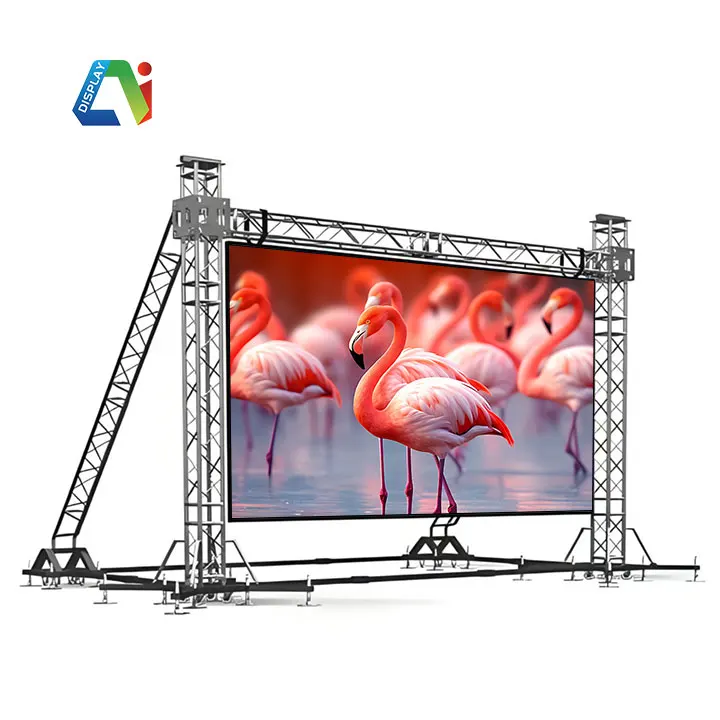
For a modular rental LED video wall, the installation team should confirm the truss, ground support, hanging points, and cabinet connections.
Important checks include:
Whether the ground is level and stable
Whether the support structure can handle the total screen load
Whether wind exposure requires additional engineering measures
Whether emergency access and maintenance space are available
Whether the screen position provides suitable viewing angles
Outdoor festivals can attract large crowds, so the installation area should also be separated from public access during setup.
Power problems are one of the most common reasons for unexpected LED display interruptions.
Before the event, calculate the screen's maximum and average power consumption according to the actual product specifications. The available power supply must support the display and other connected equipment without overloading the circuit.
For large outdoor concerts, the power distribution plan should be coordinated with the event's electrical team.
Check the following items:
Confirm the available voltage and frequency.
Calculate the total power load of the LED display.
Check the capacity of power distribution equipment.
Inspect cable insulation and connector conditions.
Plan cable routes to avoid water, vehicle movement, and pedestrian traffic.
Confirm proper grounding and electrical protection.
If a generator is used, its capacity and voltage stability should be checked under the expected operating load, not only when running without equipment.
All electrical connections should be handled by qualified personnel.
Weather conditions can change quickly during outdoor festivals. Rain, dust, humidity, and strong sunlight may affect LED display performance.
For this reason, the display's protection rating should match the actual installation environment. Outdoor LED cabinets commonly use IP65-rated protection on the front, while the rear protection depends on the specific product design.
Before the event, inspect cabinet sealing, cable connections, and protective covers.
Wind is another important factor. A large LED screen can experience considerable wind pressure, especially when installed at an elevated position or on a mobile structure. The support system should be checked by qualified engineers.
If heavy rain or strong winds are expected, follow the equipment manufacturer's operating limits and the event's safety procedures.
Even when the hardware works properly, incorrect content settings can affect the audience's viewing experience.
Before the performance, connect the control system and test the complete signal path, from the video source to the LED display.
The testing process should include:
Checking the sending and receiving cards
Confirming the screen resolution and mapping
Testing HDMI, SDI, or other required signal connections
Checking brightness, color balance, and grayscale performance
Playing full-screen videos and live camera signals
Confirming that the content fits the actual screen dimensions
For concerts, test the live camera feed and stage content separately. Text, logos, and important visual elements should stay within the screen's safe display area.
It is also recommended to run the display continuously before the event to identify unstable connections, abnormal temperatures, or unexpected signal interruptions.
A live event does not always provide enough time for complicated repairs. Having essential spare parts available can reduce downtime if a problem occurs.
Event organizers and rental companies should prepare spare LED modules, power supplies, receiving cards, cables, and connection accessories according to the display configuration.
A technical contact should also be assigned to handle screen operation and troubleshooting during the performance.
For example, at an outdoor music festival, a rental company may use a large LED wall as the main stage background and additional screens on both sides. Before the first performance, the team should complete cabinet inspections, power testing, signal checks, and full-screen playback. This preparation helps reduce the risk of technical problems when the event begins.
Choosing the right LED display supplier is an important part of event preparation. Different venues, screen sizes, and installation conditions require different product configurations.
AILEDDISPLAY, operated by Shenzhen Ai Display Technology Co., Ltd., provides LED display solutions for music festivals, concerts, stage rentals, sporting events, and other commercial applications.
Its product range includes outdoor LED screens, rental LED displays, mobile LED screens, and customized display solutions. The company also provides product design, manufacturing, and technical support to help customers select suitable equipment for their projects.
With its own production capabilities and professional engineering team, AILEDDISPLAY supports customers from product selection to installation guidance and after-sales service.
For event organizers and rental companies, the goal is not simply to install a large screen. It is to make sure the entire display system is ready before the event starts.
Q1: What pixel pitch is suitable for a mobile LED display at a concert?
P2.6, P2.9, P3.91, and P4.81 are common choices. The final selection depends on viewing distance, screen size, and budget.
Q2: How bright should an outdoor concert LED screen be?
Outdoor brightness should be selected according to ambient light conditions. A typical outdoor LED display may use approximately 4,500–6,000 nits, but the actual requirement depends on the venue and product configuration.
Q3: Does a mobile LED display need waterproof protection?
For outdoor use, weather protection is essential. Check the cabinet's IP rating and make sure that the complete installation, including connectors and cable connections, is suitable for the environment.
Q4: How long should an LED display be tested before a concert?
There is no universal testing duration. Complete a full system test before the event, then allow sufficient continuous operation to identify potential problems. Large or complex installations may require a longer testing period.
Q5: Can AILEDDISPLAY provide LED screens for music festivals and concerts?
Yes. AILEDDISPLAY offers rental LED displays, outdoor LED screens, and customized solutions for concerts, festivals, and other event applications.
Copyright © 2025 by Shenzhen Ai Display Technology Co., Ltd - Privacy policy
 EN
 Hot News