Ifølge brancherapporter forventes den globale LED-displaymarked at overstige 120 milliarder RMB i 2025. Efter årtier med udvikling er LED-displays blevet en uundværlig del af hverdagen. Fra indkøbscentre og sportsstadier til transportknudepunkter og teknologimuseer findes LED-skærme nu næsten overalt.
En grund til deres popularitet er deres alsidighed. LED-skærme kan justere lysstyrken automatisk eller manuelt for at tilpasse sig forskellige miljøer. De er stadig synlige under direkte sollys udendørs, samtidig med at de leverer behagelige betragtningsoplevelser indendørs.
I dag bruger virksomheder LED-skærme til reklameformål, arrangementarrangører bruger dem til live-præsentationer, og fans bruger dem endda til at fejre særlige lejligheder såsom berømthedsmedlemmers fødselsdage. Der er dog så mange forskellige typer LED-displays og pixelafstande til rådighed, at det kan være udfordrende at vælge den rigtige løsning.
Denne guide gennemgår de mest almindelige typer LED-displays og forklarer, hvor hver enkelt type yder bedst.
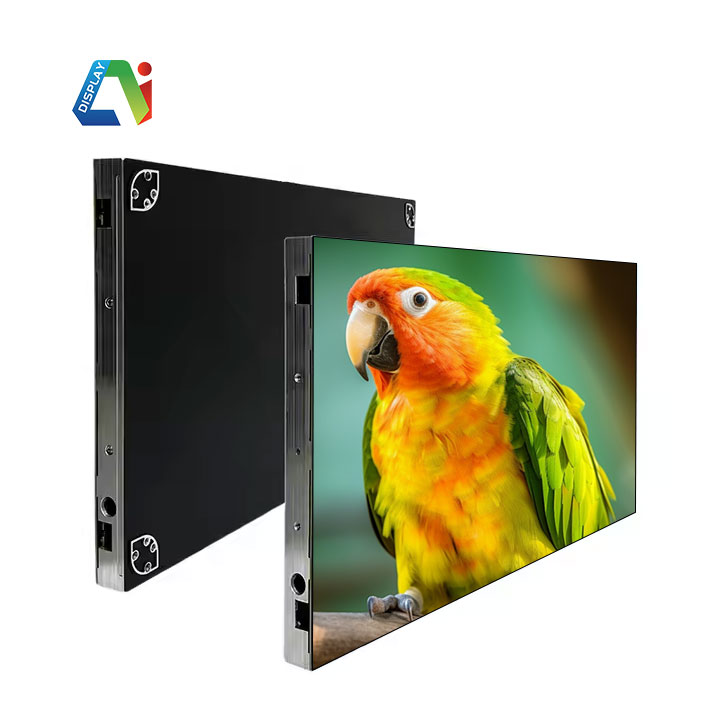
Indendørs LED-skærme har typisk fin pixelafstand for at levere billeder med høj opløsning ved korte betragtningsafstande.
Almindelige pixelafstande inkluderer:
Disse skærme fungerer bedst i miljøer, hvor tilskuere står relativt tæt på skærmen.
I mødelokaler, konferencecentre og udstillingshaller vælger brugere ofte P1.2- til P1.8-skærme, da de leverer ekstraordinær billedkvalitet.
I mellemtid vælger indkøbscentre, hoteller og detailbutikker ofte P2.5- til P4-modeller for at opnå en balance mellem visuel ydeevne og projektomkostninger.
Indendørs LED-skærme tilbyder:
Som resultat er de blevet en foretrukken løsning for kommercielle og virksomhedsmiljøer.
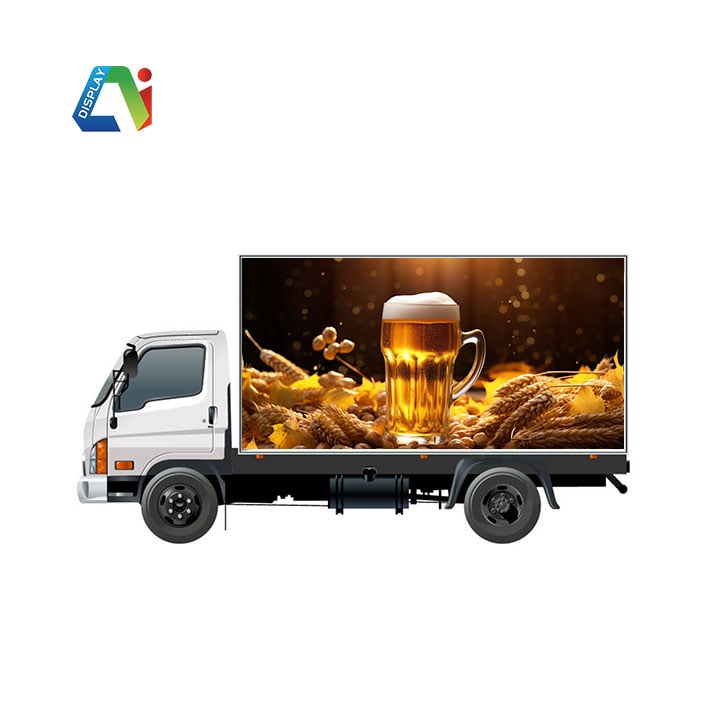
Udendørs LED-skærme bruger større pixelafstande og højere lysstyrke for at sikre synlighed i direkte sollys.
Almindelige udendørs anvendelser inkluderer:
Forskellige betragtningsafstande kræver forskellige pixelafstande:
Udendørs LED-skærme inkluderer typisk:
Selvom rektangulære formater stadig er de mest almindelige, tilbyder producenter også tilpassede udendørs kreative LED-display til unikke arkitektoniske projekter.
Transparente LED-display kombinerer digital reklame med arkitektonisk æstetik.
I modsætning til konventionelle skærme tillader de naturligt lys at passere igennem, mens de viser dynamisk indhold.
De fleste transparente LED-display bruger:
For store udendørs projekter bruger nogle modeller pixelafstande på P8 eller P10 for at opnå højere gennemsigtighed.
Transparente LED-display anvendes bredt i:
Disse displays tilbyder flere unikke fordele:
Nogle modeller kan endda bues for at passe til krumme glasoverflader, hvilket giver designere mulighed for at skabe mere innovative visuelle oplevelser.
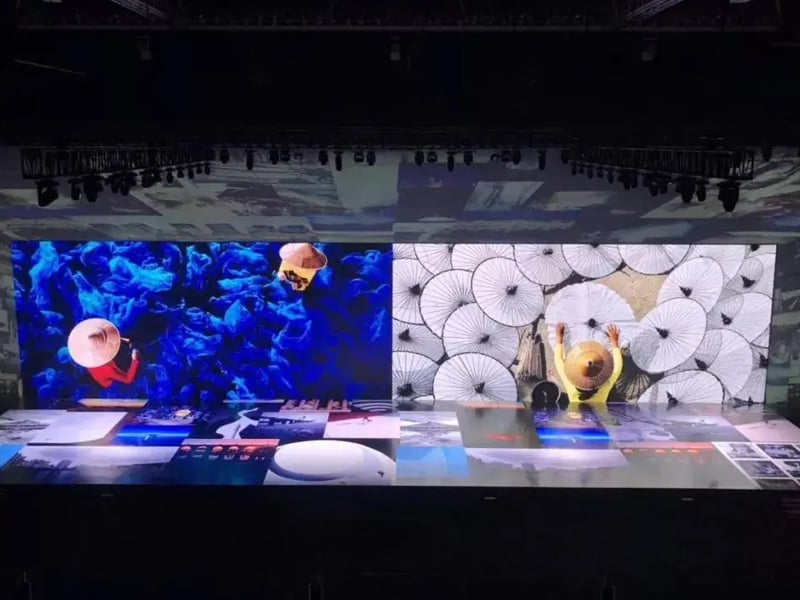
Fleksible LED-displays løser udfordringer, som traditionelle stive skærme ikke kan håndtere.
Fordi producenterne fremstiller dem ved hjælp af fleksible materialer og bløde PCB-strukturer, kan disse displays bues og tilpasse sig krumme overflader.
Populære indendørs fleksible LED-displaymodeller inkluderer:
Fleksible LED-skærme optræder ofte i:
Fleksible displays giver:
Derfor er de blevet en af de mest populære løsninger til brugerdefinerede LED-projekter.
Udlejnings-LED-display fokuserer på bærlighed, hurtig montering og hyppige installationscyklusser.
Arrangører vælger ofte disse skærme, fordi de kan opbygge og nedtage store displaysvægge hurtigt.
Populære udlejningsdisplaymodeller inkluderer:
Betragtningsafstanden spiller en vigtig rolle:
Til udendørs musikfestivaler og sportarrangementer anbefaler eksperter typisk skærme med en lysstyrke på over 5.000 nits og mindst IP65-beskyttelse.
Lejede LED-skærme understøtter ofte:
Deres fleksibilitet gør dem til en af de mest alsidige LED-skærm-løsninger på markedet.
At forstå anvendelsesmiljøet hjælper brugere med at vælge den rigtige skærmteknologi.
Indendørs LED-skærme bruges typisk til:
De er fremragende til præsentation af detaljeret indhold, datavisualisering og high-definition-videoer.
Udendørs skærme er ideelle til:
Deres høje lysstyrke sikrer fremragende synlighed under udfordrende udendørsforhold.
Gennemsigtige skærme installeres ofte i:
Disse anvendelser drager fordel både af gennemsigtighed og digital kommunikation.
Fleksible LED-skærme fungerer særligt godt til:
Deres evne til at tilpasse sig utraditionelle strukturer åbner op for utallige designmuligheder.
Lejreskærme forbliver det foretrukne valg til midlertidige begivenheder såsom:
Deres modulære design gør hurtig installation mulig, samtidig med at professionel billedkvalitet bevares.
Valget af den rigtige LED-skærm afhænger af flere faktorer:
For eksempel kan et shoppingcenter prioritere billedkvalitet og æstetik, mens en udendørs reklameskærmoperatør fokuserer på lysstyrke, holdbarhed og synlighed på lang afstand.
Ved at forstå styrkerne ved hver skærmtype kan virksomheder træffe mere velovervejede købsbeslutninger og maksimere deres investeringsafkast.
LED-display er udviklet langt ud over simple informationsboards. I dag fungerer de som kraftfulde værktøjer til reklame, kommunikation, underholdning, undervisning og brandpromotion.
Indendørs LED-skærme leverer imponerende visuelle oplevelser i nærkontakt. Udendørs LED-skærme sikrer uovertruffen synlighed i sollys. Transparente skærme kombinerer arkitektur med digitalt medie. Fleksible LED-skærme åbner op for kreative designmuligheder. Lejreskærme understøtter begivenheder af enhver størrelse.
Da LED-teknologien fortsætter med at udvikle sig, har virksomheder og organisationer flere muligheder end nogensinde før. Valget af den rigtige skærm starter med at forstå dine applikationskrav og matche dem med den mest velegnede LED-løsning.
Uanset om du har brug for en standardskærm eller en tilpasset kreativ LED-skærm, kan samarbejde med en erfaren LED-skærmproducent hjælpe med at sikre langvarig ydeevne og projektsucces.
 Seneste nyheder
2026-09-17
2026-09-16
2026-09-15
Copyright © 2025 by Shenzhen Ai Display Technology Co., Ltd - REGLER FOR PRIVATHED
 EN
EN