All Categories
a complete guide to led display types and their applications-0

News

Home >  News

A Complete Guide to LED Display Types and Their Applications

Jun 23, 2026

According to industry reports, the global LED display market is expected to exceed RMB 120 billion in 2025. After decades of development, LED displays have become an essential part of everyday life. From shopping malls and sports stadiums to transportation hubs and technology museums, LED screens now appear almost everywhere.

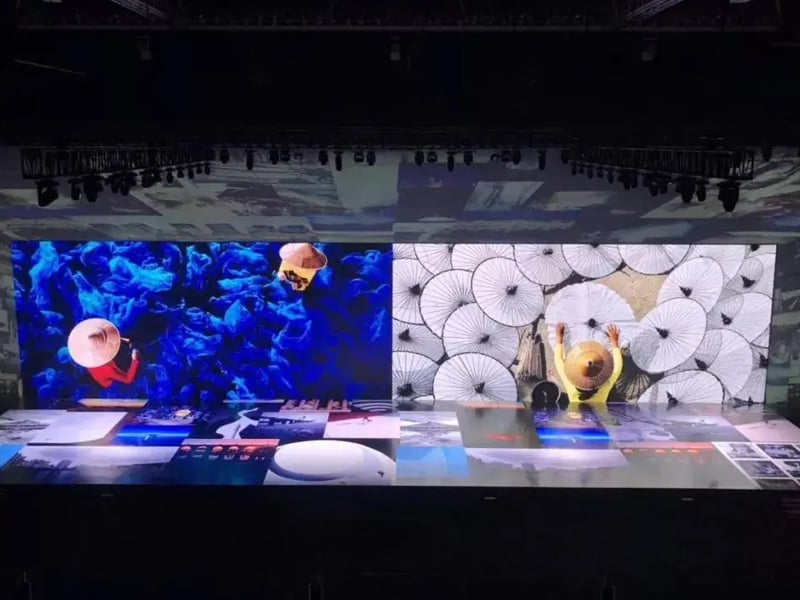
One reason for their popularity is their versatility. LED displays can adjust brightness automatically or manually to suit different environments. They remain visible under direct sunlight outdoors while delivering comfortable viewing experiences indoors.

Today, businesses use LED screens for advertising, event organizers rely on them for live presentations, and fans even use them to celebrate special occasions such as celebrity birthdays. However, with so many LED display types and pixel pitches available, choosing the right solution can be challenging.

This guide explores the most common LED display types and explains where each one performs best.

Indoor LED Displays

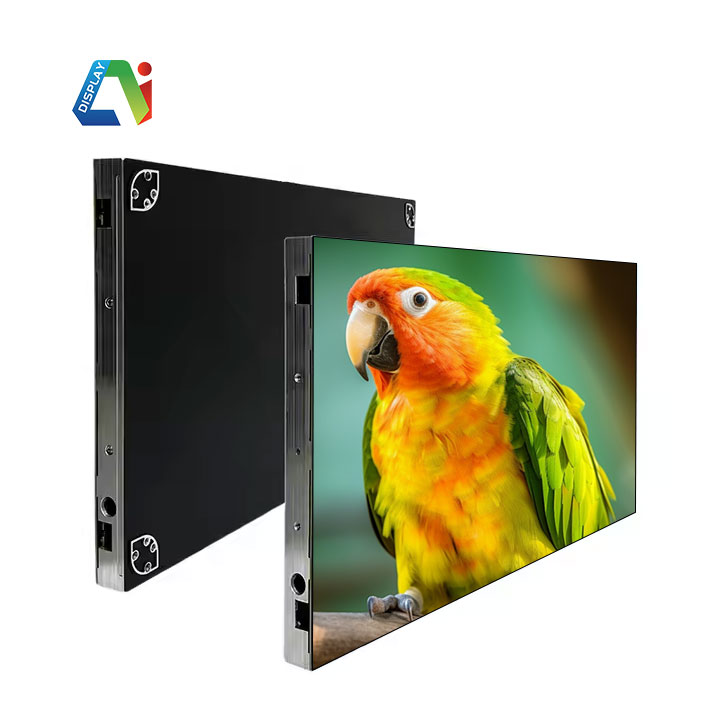
Indoor LED displays typically feature fine pixel pitches to provide high-resolution images at close viewing distances.

Common pixel pitches include:

  • P1.2
  • P1.5
  • P1.8
  • P2.5
  • P3
  • P4

These displays work best in environments where viewers stand relatively close to the screen.

Recommended Applications

For meeting rooms, conference centers, and exhibition halls, users often choose P1.2 to P1.8 displays because they deliver exceptional image clarity.

Meanwhile, shopping malls, hotels, and retail stores frequently select P2.5 to P4 models to balance visual performance and project cost.

Key Features

Indoor LED screens offer:

  • High resolution
  • Thin cabinet designs
  • Standard rectangular configurations
  • Wall-mounted and embedded installation options
  • Excellent performance for short and medium viewing distances

As a result, they have become a preferred solution for commercial and corporate environments.

Outdoor LED Displays

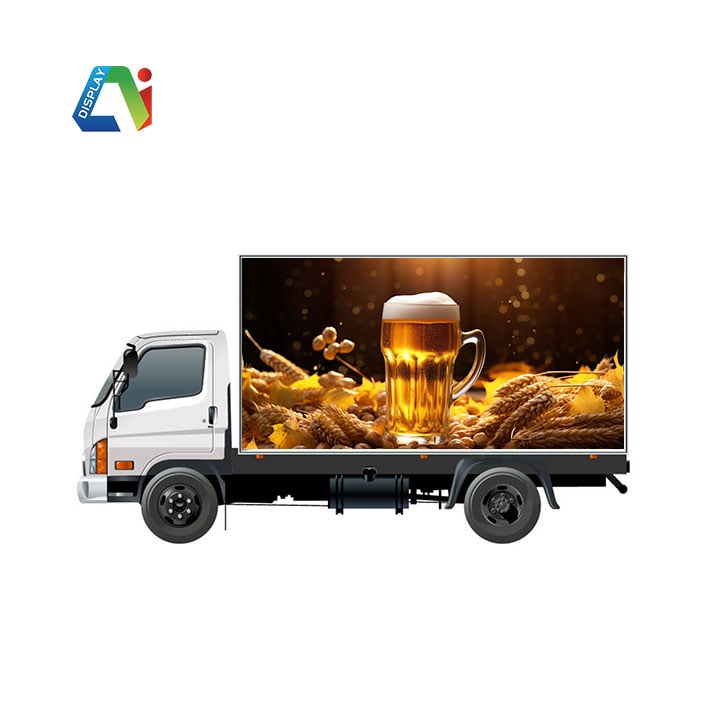
Outdoor LED displays use larger pixel pitches and higher brightness levels to ensure visibility in direct sunlight.

Common outdoor applications include:

  • Digital billboards
  • Public squares
  • Sports stadiums
  • Transportation hubs
  • Government information displays

Recommended Pixel Pitches

Different viewing distances require different pixel pitches:

  • P5–P8 for outdoor advertising and commercial plazas
  • P10–P16 for stadiums and long-distance viewing
  • Larger-pitch monochrome or dual-color screens for traffic information systems

Key Features

Outdoor LED displays typically include:

  • Weather-resistant designs
  • High brightness levels
  • IP-rated protection
  • Wind-resistant structures
  • Column-mounted, wall-mounted, or freestanding installation options

Although rectangular formats remain the most common, manufacturers also offer customized outdoor creative LED displays for unique architectural projects.

Transparent LED Displays

Transparent LED displays combine digital advertising with architectural aesthetics.

Unlike conventional screens, they allow natural light to pass through while displaying dynamic content.

Common Pixel Pitches

Most transparent LED displays use:

  • P3
  • P4
  • P5
  • P6

For large outdoor projects, some models use P8 or P10 pixel pitches to achieve higher transparency.

Typical Applications

Transparent LED displays are widely used in:

  • Glass curtain walls
  • Retail storefront windows
  • Airports and railway stations
  • Shopping centers
  • Stage productions
  • Exhibition booths

Key Advantages

These displays offer several unique benefits:

  • Preserve natural lighting
  • Maintain architectural visibility
  • Lightweight construction
  • Minimal visual obstruction
  • Flexible installation options

Some models can even bend to match curved glass surfaces, allowing designers to create more innovative visual experiences.

A Complete Guide to LED Display Types and Their Applications.jpg

Flexible LED Displays

Flexible LED displays solve challenges that traditional rigid screens cannot address.

Because manufacturers build them using flexible materials and soft PCB structures, these displays can bend and adapt to curved surfaces.

Common Pixel Pitches

Popular indoor flexible LED display models include:

  • P2.5
  • P5
  • P6
  • P8
  • P10

Typical Applications

Flexible LED screens often appear in:

  • Cylindrical columns
  • Curved walls
  • Wave-shaped stage backdrops
  • Museums and exhibitions
  • Bars and entertainment venues
  • Architectural decoration projects

Key Advantages

Flexible displays provide:

  • Curved installation capabilities
  • 360-degree visual effects on columns
  • Creative design freedom
  • Modular construction
  • Easy maintenance through magnetic installation systems

Consequently, they have become one of the most popular solutions for custom-shaped LED projects.

Rental LED Displays

Rental LED displays focus on portability, quick assembly, and frequent installation cycles.

Event organizers often choose these screens because they can rapidly build and dismantle large display walls.

Common Pixel Pitches

Popular rental display models include:

  • P1.5
  • P1.56
  • P2.5

Choosing the Right Pixel Pitch

Viewing distance plays an important role:

  • Under 3 meters: P2.5 or smaller
  • 3–5 meters: P2.5–P3
  • 10–20 meters: P4–P5
  • More than 20 meters: P5–P8

For outdoor music festivals and sporting events, experts typically recommend displays with brightness above 5,000 nits and at least IP65 protection.

Common Applications

Rental LED displays frequently support:

  • Concerts
  • Product launches
  • Trade shows
  • Corporate events
  • Sports competitions
  • Weddings
  • Roadshows

Their flexibility makes them one of the most versatile LED display solutions on the market.

Where Are Different LED Displays Used?

Understanding the application environment helps users choose the right display technology.

Indoor LED Displays

Indoor LED screens commonly serve:

  • Corporate meeting rooms
  • Video conferencing centers
  • Shopping malls
  • Hotel lobbies
  • Museums
  • Science centers
  • Schools
  • Training facilities

They excel at presenting detailed content, data visualization, and high-definition videos.

Outdoor LED Displays

Outdoor screens are ideal for:

  • Digital billboards
  • Public squares
  • Stadium scoreboards
  • Live event broadcasting
  • Transportation hubs
  • Government communication systems
  • Industrial parks

Their high brightness ensures excellent visibility in challenging outdoor conditions.

Transparent LED Displays

Transparent screens are commonly installed in:

  • Glass building facades
  • Retail storefronts
  • Airport terminals
  • Railway stations
  • Exhibition halls
  • Immersive stage productions

These applications benefit from both transparency and digital communication.

Flexible LED Displays

Flexible LED displays work particularly well for:

  • Curved architecture
  • Cylindrical columns
  • Creative stage designs
  • Entertainment venues
  • Cultural tourism projects
  • Immersive exhibition spaces

Their ability to adapt to unconventional structures opens up countless design possibilities.

Rental LED Displays

Rental screens remain the preferred choice for temporary events such as:

  • Concerts
  • Product launches
  • Corporate annual meetings
  • Trade exhibitions
  • Outdoor festivals
  • Weddings
  • Promotional campaigns

Their modular design allows rapid deployment while maintaining professional image quality.

How to Choose the Right LED Display

Selecting the right LED display depends on several factors:

  • Viewing distance
  • Installation environment
  • Content type
  • Budget
  • Brightness requirements
  • Maintenance expectations

For example, a shopping mall may prioritize image quality and aesthetics, while an outdoor billboard operator focuses on brightness, durability, and long-distance visibility.

By understanding the strengths of each display type, businesses can make more informed purchasing decisions and maximize their return on investment.

Conclusion

LED displays have evolved far beyond simple information boards. Today, they serve as powerful tools for advertising, communication, entertainment, education, and brand promotion.

Indoor LED displays deliver stunning close-range visuals. Outdoor LED screens provide unmatched visibility in sunlight. Transparent displays combine architecture with digital media. Flexible LED screens unlock creative design possibilities. Rental displays support events of every size.

As LED technology continues to advance, businesses and organizations have more options than ever before. Choosing the right display begins with understanding your application requirements and matching them with the most suitable LED solution.

Whether you need a standard display or a customized creative LED screen, working with an experienced LED display manufacturer can help ensure long-term performance and project success.

Email Email WeChat WeChat
WeChat
WhatsApp WhatsApp