I dagens overfyldte medielandskab er det sværere end nogensinde at få opmærksomhed. Det er præcis derfor, at kreative LED-skærme har udviklet sig til et kraftfuldt våben for reklamemænd. De kombinerer bevægelse, farve og fleksibilitet for at formidle budskaber, som folk faktisk lægger mærke til – og husker.
Så hvordan designer man en LED-skærm, der virkelig skiller sig ud? Lad os gennemgå det trin for trin.
Før du tænker på pixel eller hardware, skal du definere din kernebesked. Hvad vil du, at folk skal føle eller gøre?
Da LED-skærme ofte ses i forbifarten – på gader, i butikscentre eller ved arrangementer – skal du formidle hurtigt. Stærke koncepter slår altid komplekse koncepter.
Statisk indhold præsterer sjældent godt på LED-skærme. I stedet skaber bevægelse dybde og tiltrækker øjet naturligt.
For eksempel kan flydende animationer lede tilskuerens blik mod et logo eller en call-to-action. Samtidig holder subtile bevægelsesløkker indholdet engagerende uden at overvælde tilskuerne.
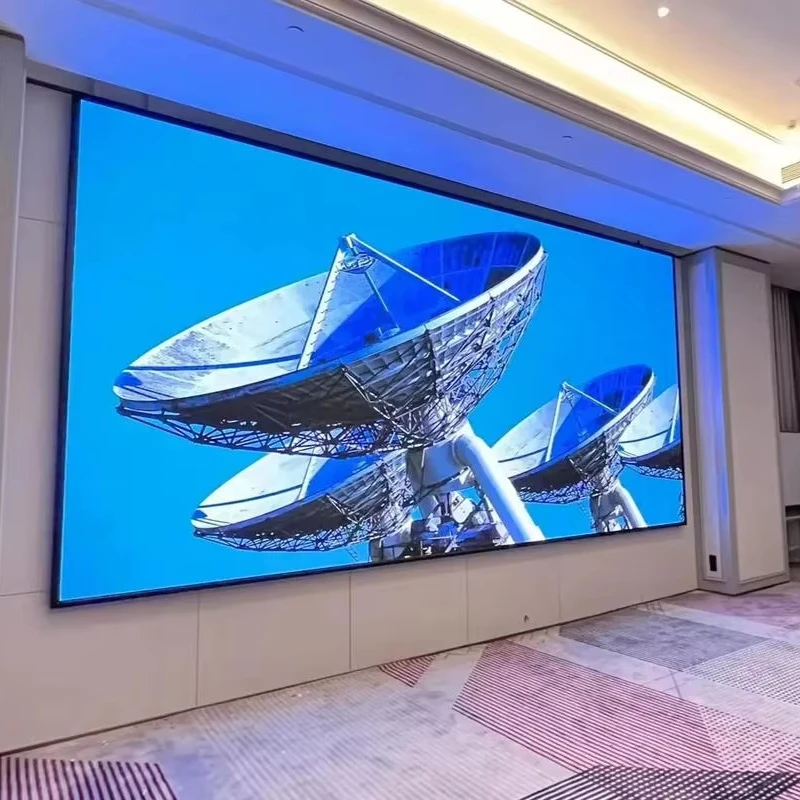
LED-displaye udmærker sig ved deres lysstyrke og farvesaturation. Brug dette til din fordel.
Lysstærke miljøer kræver endnu stærkere kontrast. For udendørs skærme, især i dagslys, skal din design løsning forblive læselig under intens belysning.
At designe til LED er ikke det samme som at designe til tryk eller mobilskærme.
Et design, der ser perfekt ud tæt på, kan fejle, når det ses fra gaden over. Simuler altid reelle betragtningsforhold, inden du færdiggør designet.
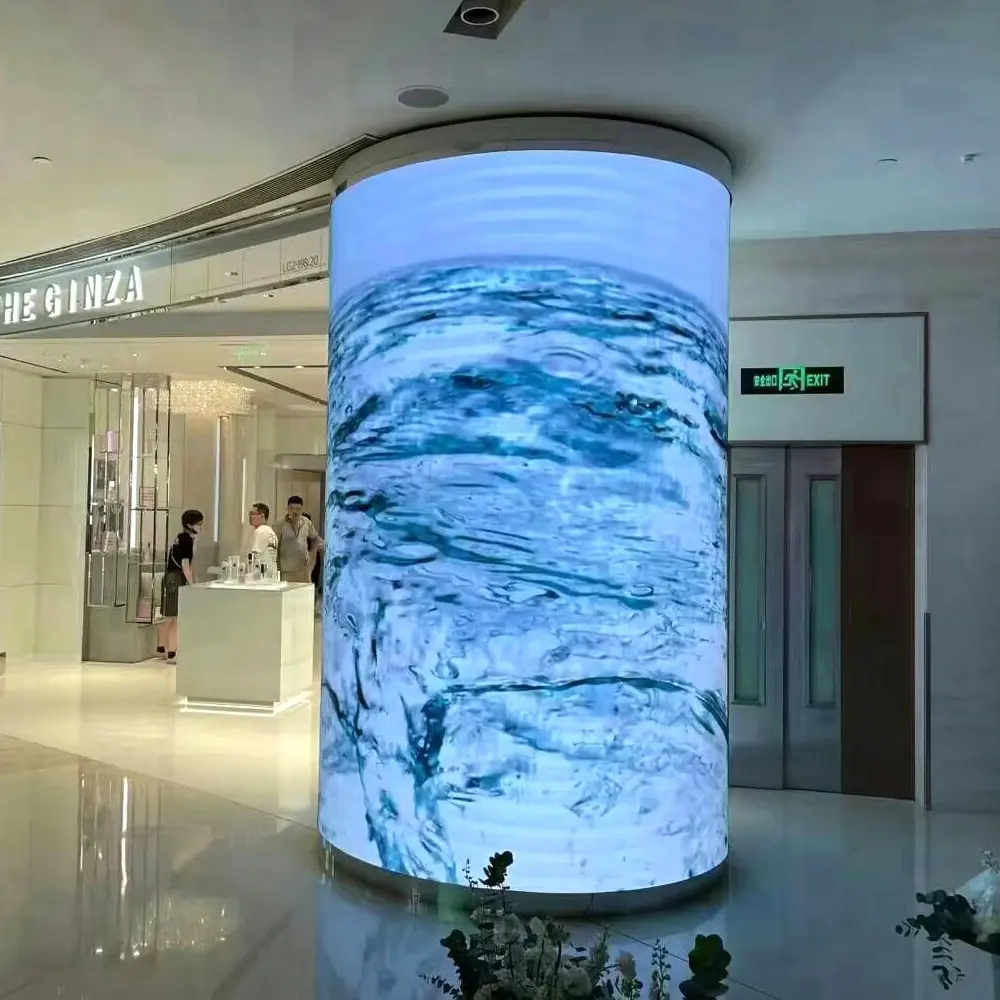
En af de største fordele ved LED-skærme er fleksibiliteten. Du er ikke begrænset til standardformer.
Kreative strukturer øger øjeblikkeligt det visuelle indtryk. For eksempel kan LED-skærme i hjørner skabe indtrængende 3D-ilusioner, der får folk til at standse på deres spor.
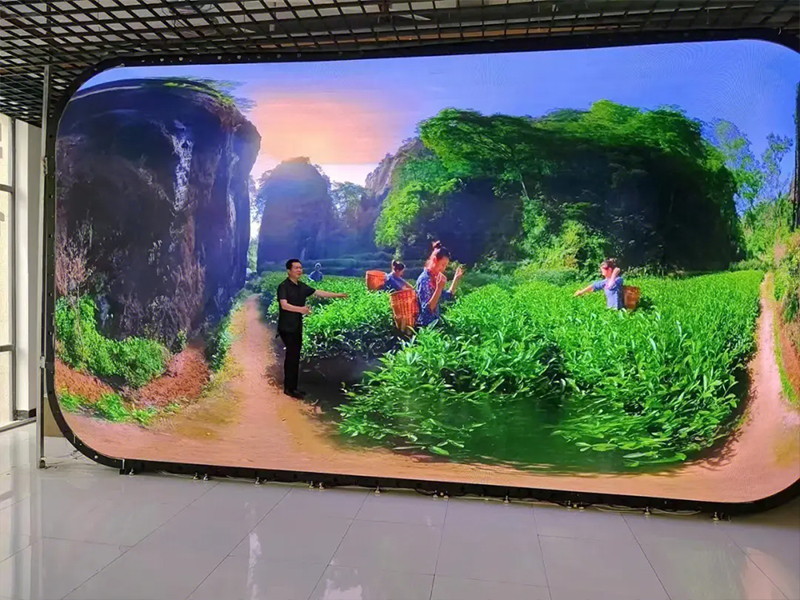
Interaktivitet omdanner passive tilskuere til aktive deltagere.
Når folk interagerer med din skærm, bruger de mere tid på dit brand – og det forbedrer hukommelsen betydeligt.
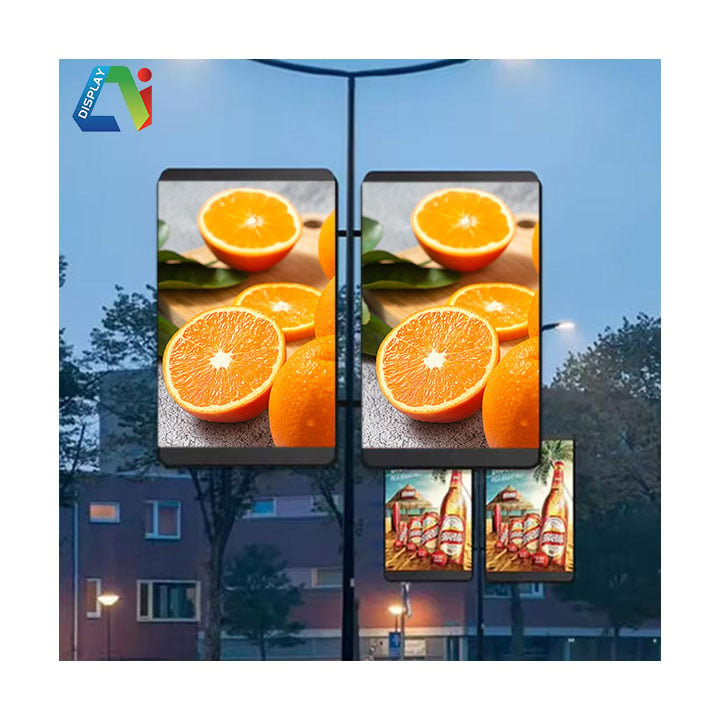
Kontekstbevidst design forbedrer effektiviteten markant.
For eksempel fungerer en hurtig, levende animation godt i nattelivsområder, mens renere, mere rolige visuelle elementer passer bedre til erhvervsmiljøer.
Kreative idéer virker kun, hvis udførelsen er teknisk solid.
Dårlig optimering kan ødelægge endda de bedste designs. Samarbejd altid tæt med ingeniører eller displayleverandører under implementeringen.
Endelig fortæller fremragende LED-reklame ikke bare – den fortæller en historie.
Indhold, der er drevet af fortællinger, holder seerne engageret længere og øger sandsynligheden for konvertering.
At designe øjenfængende kreative LED-display kræver mere end flotte visuelle effekter. Du har brug for en strategisk blanding af fortællekunst, bevægelsesdesign, teknisk optimering og bevidsthed om omgivelserne.
Når du kombinerer disse elementer effektivt, vil dit LED-display ikke blot blive set – det vil blive husket.
Hvis du planlægger din næste kampagne, så start med en klar idé, design med hensigt og test altid under reelle forhold. Sådan gør du af en skærm en kraftfuld reklameoplevelse.
 Seneste nyheder
2026-10-20
2026-10-19
2026-10-17
Copyright © 2025 by Shenzhen Ai Display Technology Co., Ltd - Privatlivspolitik
 EN
EN