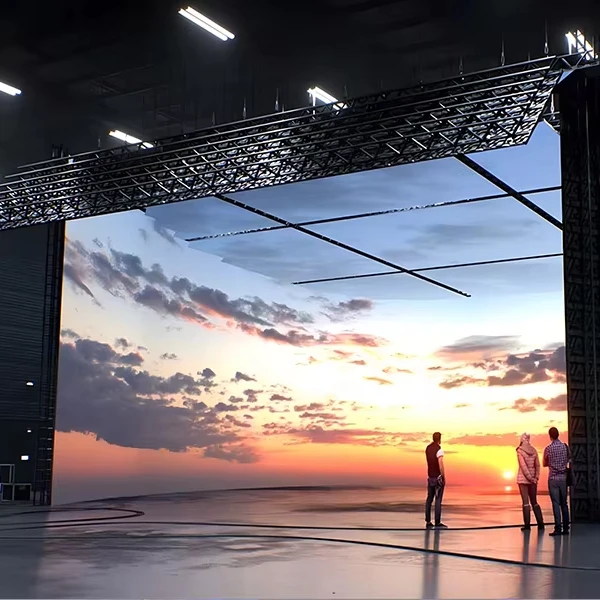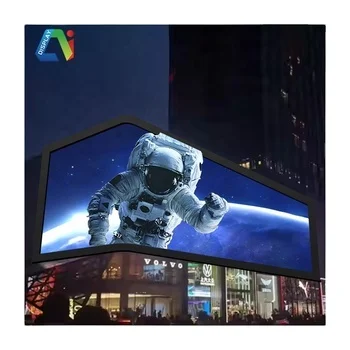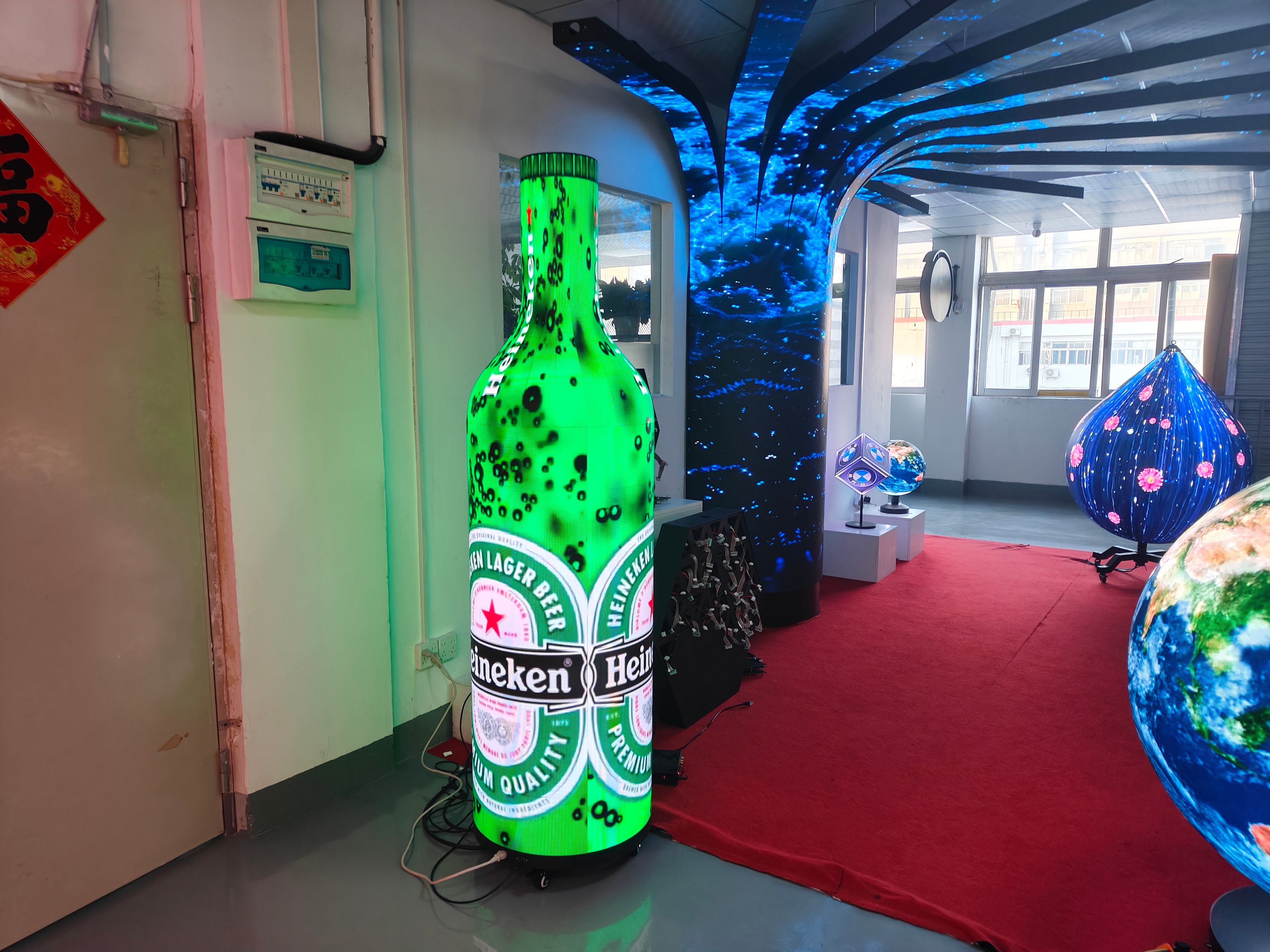
En los últimos años, Paredes de vídeo LED se han convertido en una opción popular para el diseño moderno de escenarios nupciales. Muchas parejas eligen fondos LED para mostrar animaciones románticas, vídeos previos a la boda o gráficos personalizados. Estas imágenes dinámicas pueden transformar el lugar de la boda y crear un ambiente inolvidable.
Sin embargo, los fotógrafos y videógrafos suelen plantear una pregunta importante: ¿Afectará un fondo LED la calidad de la fotografía y el vídeo nupcial?
La respuesta depende de varios factores, como el brillo de la pantalla, la frecuencia de actualización, el diseño del contenido y la ubicación de la pantalla. Cuando los planificadores y técnicos gestionan adecuadamente estos elementos, las paredes LED pueden mejorar las imágenes nupciales sin perjudicar los resultados fotográficos o cinematográficos.
En primer lugar, es importante comprender por qué las pantallas LED se han vuelto tan populares en las bodas.
Los fondos escénicos tradicionales suelen basarse en pancartas impresas, paredes florales o paneles decorativos. Estas opciones lucen elegantes, pero permanecen estáticas. Una pared de video LED, por el contrario, permite a las parejas mostrar contenidos dinámicos durante todo el evento.
Por ejemplo, muchas bodas utilizan pantallas LED para mostrar:
animaciones románticas durante la ceremonia
presentaciones de diapositivas con fotos previas a la boda
vídeos editados el mismo día
gráficos personalizados con el nombre o monograma de la pareja
transmisiones en vivo desde cámaras durante los discursos
Como las paredes LED generan colores vivos y visuales en movimiento, captan fácilmente la atención de los invitados. Asimismo, permiten a los organizadores de eventos cambiar los temas a lo largo de la celebración. Por consiguiente, muchas parejas consideran las pantallas LED una actualización moderna del diseño escénico para bodas.
Aunque las pantallas LED impresionan al público, a veces pueden generar desafíos para la fotografía y la videografía. Estos problemas suelen surgir cuando los organizadores no coordinan adecuadamente la pantalla con la configuración de las cámaras.
Uno de los problemas más comunes ocurre cuando las cámaras capturan parpadeo o líneas de desplazamiento en la pantalla LED. Este efecto se produce porque las cámaras graban imágenes a una velocidad de obturación específica, mientras que la pantalla LED se actualiza a su propia frecuencia.
Cuando la frecuencia de actualización es baja o está mal sincronizada con la cámara, las imágenes pueden mostrar líneas oscuras en movimiento a través de la pantalla.
Afortunadamente, las pantallas LED profesionales con altas frecuencias de actualización reducen considerablemente este problema. Los técnicos de eventos también pueden ajustar la configuración de obturación de la cámara para que coincida con la frecuencia de actualización de la pantalla.
Otro desafío implica contraluz . Si la pared LED se encuentra directamente detrás de la pareja y reproduce contenido muy brillante, la cámara puede realizar la exposición según la luminosidad de la pantalla en lugar de los sujetos.
Cuando esto ocurre, la novia y el novio pueden aparecer más oscuros en las fotografías o vídeos.
Los diseñadores de eventos pueden resolver fácilmente este problema equilibrando la iluminación. Por ejemplo, pueden añadir una iluminación frontal suave sobre el escenario para iluminar a la pareja, mientras reducen ligeramente el brillo de la pantalla LED. Con un control adecuado de la iluminación, los fotógrafos pueden mantener una exposición clara tanto para los sujetos como para el fondo.
En ocasiones, el problema no es técnico, sino visual. Gráficos muy animados o colores que cambian rápidamente pueden distraer a los espectadores de la pareja.
La fotografía de bodas funciona mejor cuando el fondo refuerza el momento en lugar de competir con él. Por lo tanto, los diseñadores deben evitar contenidos excesivamente recargados durante momentos clave, como los votos, los discursos y el primer baile.
Muchos planificadores prefieren degradados suaves, patrones elegantes o gráficos de movimiento sutiles durante estas escenas. Estos elementos visuales aportan profundidad sin restar atención a los sujetos.
Curiosamente, algunos profesionales del sector de eventos recomiendan no colocar la pared LED directamente detrás de la pareja . En su lugar, suelen colocar pantallas LED a ambos lados del escenario.
Este diseño ofrece varias ventajas.
En primer lugar, las pantallas laterales permiten que los invitados sentados lejos del escenario vean claramente las transmisiones en vivo de las cámaras. En segundo lugar, la cámara puede enfocarse en la pareja sin tener que lidiar con una intensa iluminación de fondo. Por último, los fotógrafos obtienen mayor flexibilidad al componer sus tomas.
Para bodas grandes o en salones de baile, las pantallas LED montadas lateralmente suelen ofrecer un mejor equilibrio visual que un fondo completo de LED.
 Noticias destacadas
2026-10-12
2026-10-11
2026-10-06
Copyright © 2025 by Shenzhen Ai Display Technology Co., Ltd - POLÍTICA DE PRIVACIDAD
 EN
EN