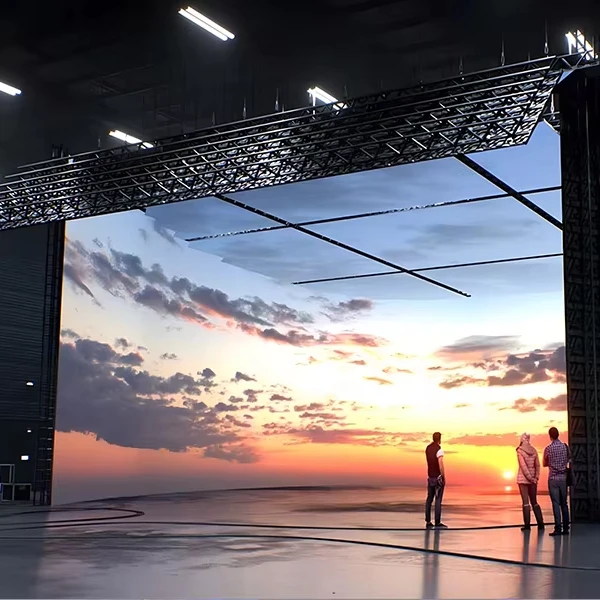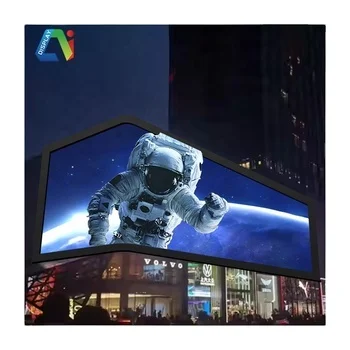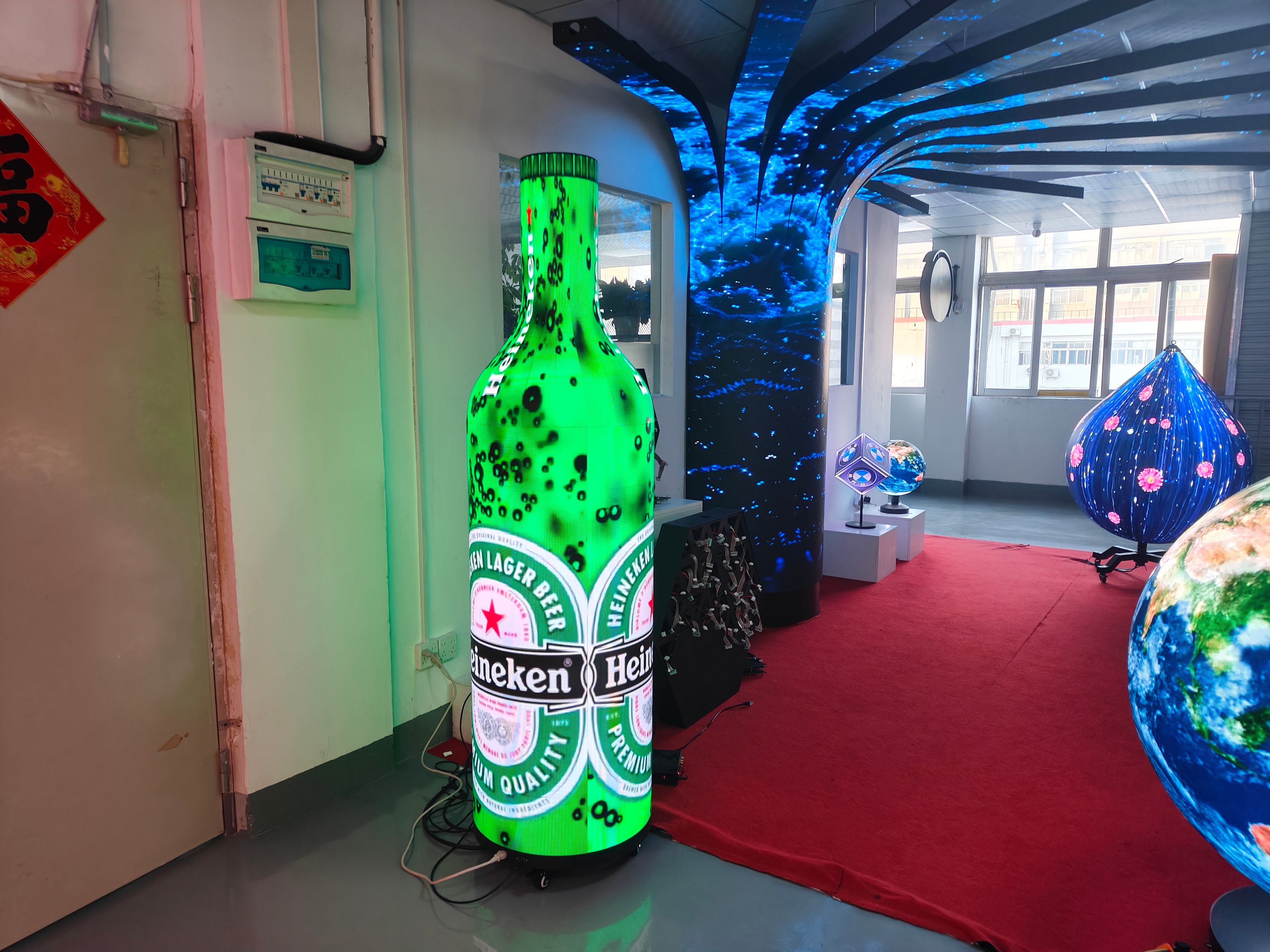
Dei siste åra har eg vore ein gong saman med ei gruppe LED Videovgger har blitt et populært valg for moderne bryllupsstageskaping. Mange par velger LED-bakgrunner for å vise romantiske animasjoner, videoer fra før bryllupet eller personlige grafiske elementer. Disse dynamiske visuelle effektene kan forvandle et bryllupssted og skape en minneverdig atmosfære.
Fotografer og videografier stiller imidlertid ofte et viktig spørsmål: Påvirker en LED-veggbakgrunn kvaliteten på bryllupsfotografering og -video?
Svaret avhenger av flere faktorer, inkludert skjermens lysstyrke, oppfriskningsfrekvens, innholdets design og plasseringen av skjermen. Når arrangementsspesialister og teknikere håndterer disse elementene riktig, kan LED-vegger forbedre bryllupsvisuelle effekter uten å skade fotografi- eller videoresultatene.
For det første er det viktig å forstå hvorfor LED-skjermer har blitt så populære på bryllup.
Tradisjonelle scenekulissar brukar vanlegvis trykte banner, blomsterveggar eller dekorative panel. Desse alternativa ser elegante ut, men dei er statiske. Ein LED-videovegg, i motsetnad til dette, gjev par mogelegheit til å vise dynamisk innhald gjennom heile arrangementet.
Til dømes brukar mange bryllup LED-skjermar til å vise:
romantiske animasjonar under seremonien
fotoframvisingar frå førbryllupet
videoar redigerte same dag
tilpassa namn- eller monogramgrafikk
live-kamerabilet under taler
Sidan LED-veggar skapar levande fargar og rørande visuelle effektar, fangar dei lett oppmerksomma hjå gjestane. Dei gjev òg arrangementplanleggjarar muligheit til å endre tema gjennom heile feiringa. Som eit resultat ser mange par på LED-skjermar som ein moderne oppgradering av bryllupsscenens design.
Selv om LED-skjermar ser imponerande ut for publikum, kan dei iblandt skape utfordringar for fotografering og videoproduksjon. Desse problemstillingane oppstår vanlegvis når planleggjarar ikkje samordnar skjermen ordentleg med kamerainnstillinga.
Et av de mest vanlige problemene oppstår når kameraer fanger opp blink eller rullende linjer på LED-skjermen. Denne effekten oppstår fordi kameraer registrerer bilder med en bestemt lukkerhastighet, mens LED-skjermen oppdateres med sin egen frekvens.
Når oppdateringsfrekvensen er lav eller dårlig synkronisert med kameraet, kan opptaket vise bevegelige mørke linjer over skjermen.
Heldigvis reduserer profesjonelle LED-skjermer med høy oppdateringsfrekvens dette problemet betraktelig. Arrangementsteknikere kan også justere kamerats lukkerinnstillinger for å tilpasse dem skjermens oppdateringsfrekvens.
En annen utfordring gjelder bakgrunnsbelysning . Hvis LED-veggen befinner seg rett bak paret og viser svært lys innhold, kan kameraet justere eksponeringen etter den lyse skjermen i stedet for motstandene.
Når dette skjer, kan bruden og brudgommen se mørkere ut på foto eller videoer.
Arrangementsdesignere kan lett løse dette problemet ved å balansere belysningen. For eksempel kan de legge til myk frontbelysning på scenen for å belyste paret, samtidig som de litt senker LED-skjermens lysstyrke. Med riktig belysningskontroll kan fotografene opprettholde klar eksponering både for personene og bakgrunnen.
Noen ganger er problemet ikke teknisk, men visuelt. Sterkt animerte grafikker eller raskt skiftende farger kan trekke bort oppmerksomheten fra paret.
Bryllupsfotografering fungerer best når bakgrunnen understøtter øyeblikket i stedet for å konkurrere med det. Derfor bør designere unngå altfor travle innhold under nøkkelmomenter som løfter, taler og første dans.
Mange arrangementplanleggere foretrekker myke gradienter, elegante mønstre eller subtile bevegelsesgrafikker under disse scenene. Slike visuelle elementer skaper dybde uten å trekke oppmerksomheten vekk fra personene.
Interessant nok anbefaler noen arrangementsprofesjonelle ikke plassere LED-veggen direkte bak paret . I stedet plasserer de ofte LED-skjermer på begge sider av scenen.
Denne oppsettet gir flere fordeler.
For det første gjør side-skjermer at gjester som sitter langt fra scenen kan se live-kamerabilder tydelig. For det andre kan kameraet fokusere på paret uten å måtte håndtere intens baklys. Til slutt får fotografene mer fleksibilitet når de komponerer bildene sine.
For store bryllup eller ballromslokaler gir sideplasserte LED-skjermer ofte bedre visuell balanse enn en full LED-bakgrunn.
 Siste nytt
2026-10-12
2026-10-11
2026-10-06
Copyright © 2025 by Shenzhen Ai Display Technology Co., Ltd - Personvernpolitikk
 EN
EN