Meja resepsionis biasanya merupakan salah satu hal pertama yang dilihat pengunjung ketika memasuki hotel, kantor perusahaan, ruang pamer, toko ritel, atau ruang pameran.
Menambahkan sebuah Layar LED dapat membuat area ini lebih dinamis. Area ini dapat menampilkan logo perusahaan, pesan selamat datang, video promosi, animasi produk, atau konten visual bermerek.
Namun, terdapat satu masalah desain umum:
Layar LED sering kali tampak dipasang setelah meja resepsionis selesai dibuat.
Bingkai yang terlihat jelas, kedalaman layar yang tidak rata, kabel yang terbuka, bahan yang tidak serasi, atau bukaan persegi panjang yang canggung dapat dengan cepat menghilangkan tampilan arsitektural yang bersih.
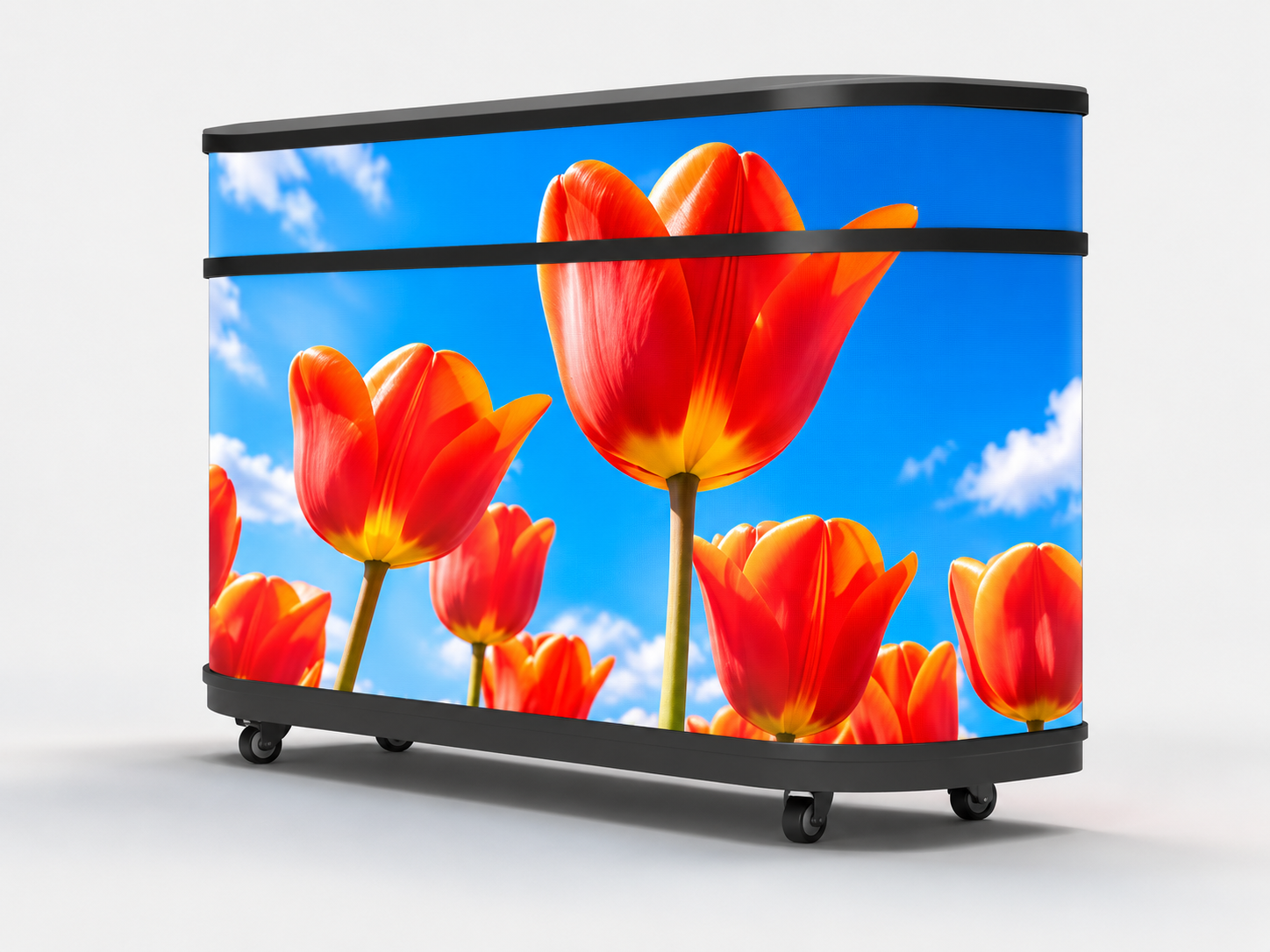
Pendekatan yang lebih baik adalah memperlakukan Layar LED sebagai bagian integral dari meja resepsionis sejak awal , bukan sebagai layar yang harus dipasang di kemudian hari.
Masalah ini biasanya tidak berawal dari modul LED itu sendiri. Masalah ini justru dimulai jauh lebih awal dalam proses desain.
Seorang desainer interior mungkin menyelesaikan gambar meja resepsionis terlebih dahulu. Selanjutnya, kontraktor AV atau pemasok LED menerima bukaan tetap dan diminta memasang layar di dalamnya.
Pada saat itu, batasan-batasan berikut mungkin sudah ada:
Kemudian, pemasang harus menyesuaikan tampilan LED dengan furnitur, alih-alih merancang kedua sistem secara bersamaan.
Hasilnya mungkin berfungsi secara teknis, tetapi secara visual tetap terasa seperti televisi yang dipasang pada furnitur khusus.
Untuk tampilan LED yang terpasang di meja resepsionis, salah satu pertanyaan pertama yang harus diajukan adalah:
Di mana permukaan LED jadi harus berada relatif terhadap bahan di sekitarnya?
Untuk sebagian besar area penerimaan premium, permukaan LED harus rata atau hampir rata dengan permukaan meja.
Sebagai contoh, jika bagian depan meja menggunakan batu, logam, veneer kayu, bahan permukaan padat, atau panel dekoratif, modul LED harus diselaraskan secara cermat dengan permukaan tersebut.
Layar yang terbenam terlalu dalam akan menciptakan batas gelap.
Layar yang menonjol terlalu jauh ke depan akan menciptakan langkah yang jelas.
Bahkan perbedaan kedalaman yang kecil pun dapat terlihat jelas ketika pengunjung berdiri hanya beberapa meter jauhnya.
Oleh karena itu, produsen LED harus menerima gambar furnitur sebelum rangka pendukung diproduksi.
Untuk proyek yang melibatkan dimensi atau bentuk tidak biasa, sebuah layar LED berbentuk kustom dapat memberikan lebih banyak kebebasan dibandingkan memaksakan kabinet standar ke dalam bukaan yang tersedia.
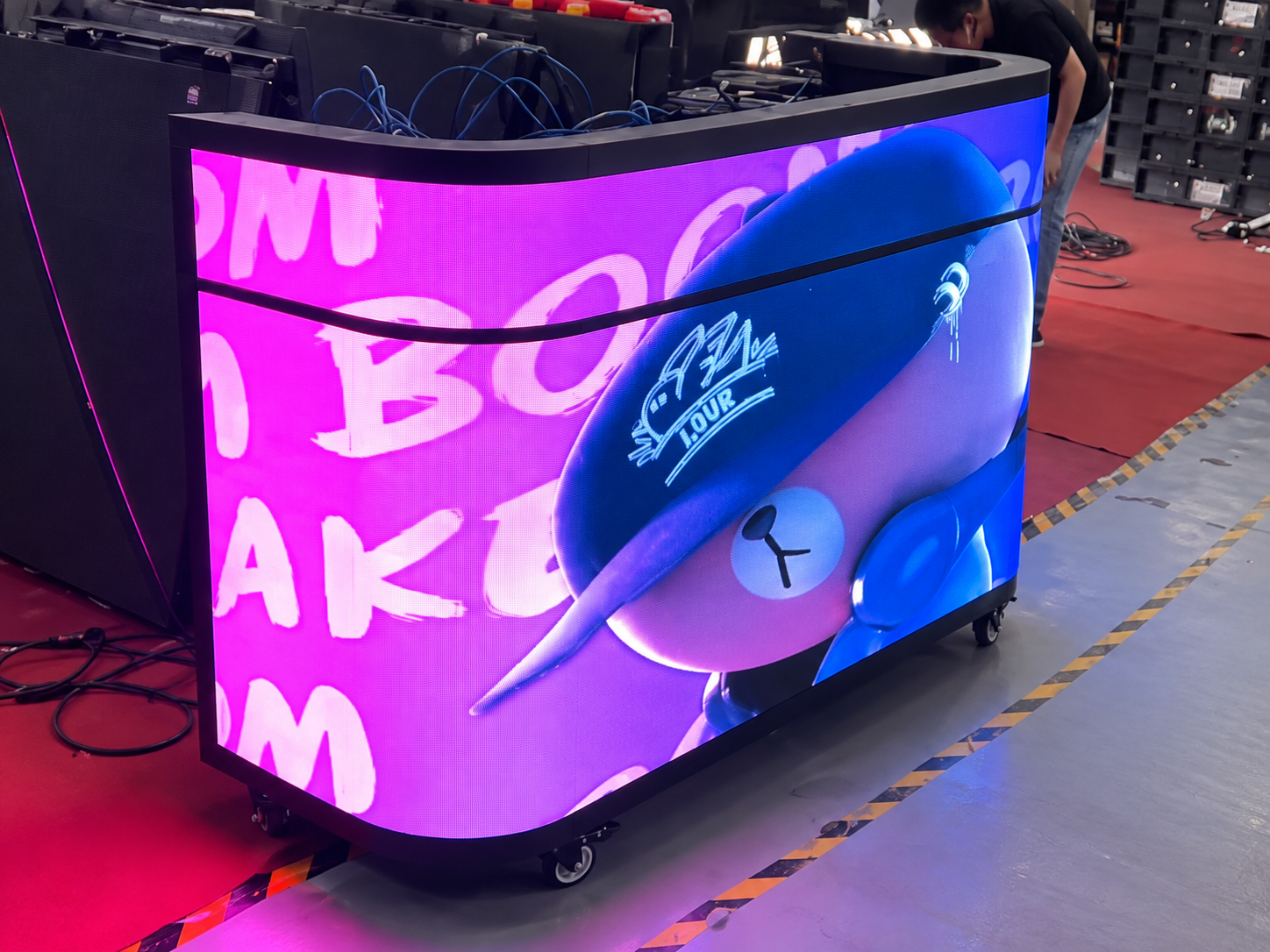
Meja resepsionis tidak selalu memiliki bagian depan berbentuk persegi panjang datar.
Meja modern dapat mencakup:
Tampilan LED sebaiknya mengikuti garis-garis tersebut kapan pun memungkinkan.
Sebagai contoh, bayangkan meja resepsionis hotel berbentuk melengkung dengan layar LED berbentuk persegi panjang sempit yang dipasang di tengah. Layar tersebut secara teknis benar, tetapi secara visual justru memutus kelengkungan.
Solusi yang lebih baik mungkin menggunakan modul LED fleksibel untuk melanjutkan tampilan di sepanjang bagian melengkung.
Teknologi LED fleksibel dapat membentuk permukaan melengkung dan tidak beraturan karena modulnya dirancang agar mampu menyesuaikan diri dengan geometri yang tidak dapat diikuti secara mudah oleh kabinet kaku konvensional.
Untuk proyek-proyek ini, layar LED fleksibel dapat membantu permukaan digital menjadi bagian dari perabotan, bukan benda terpisah.
Banyak proyek berfokus pada penyembunyian kabel tetapi lupa akan struktur penyangga LED.
Rangka di belakang modul juga memengaruhi tampilan akhir.
Struktur LED di meja resepsionis harus dirancang berdasarkan ruang internal yang tersedia. Dalam beberapa kasus, kabinet LED konvensional mungkin memiliki ketebalan yang tidak perlu.
Rangka ringan yang disesuaikan dapat mengurangi total kedalaman pemasangan serta menyediakan titik pemasangan yang tepat bagi modul-modul tersebut.
Desainer harus mengoordinasikan tiga lapisan:
Permukaan finishing dekoratif → modul LED → struktur penyangga internal
Ketiga lapisan ini harus bekerja secara bersamaan.
Kabel daya, kabel sinyal, kartu penerima, dan catu daya kemudian dapat diarahkan ke dalam meja, bukan dibiarkan terlihat di sekitar layar.
Namun, kabel tidak boleh sekadar dimasukkan ke ruang kosong mana pun. Kabel harus diarahkan secara terorganisasi dengan jarak yang cukup untuk pemeriksaan dan penggantian.
Instalasi yang sepenuhnya tersembunyi memang tampak menarik pada hari pertama.
Namun, apa yang terjadi ketika satu modul LED perlu diganti enam bulan kemudian?
Di sinilah beberapa desain meja resepsionis terintegrasi gagal.
Pemasang tidak boleh dipaksa membongkar separuh meja resepsionis hanya untuk mengganti satu modul atau satu unit catu daya.
Untuk banyak aplikasi resepsionis dalam ruangan, modul LED layanan depan merupakan pilihan praktis. Seorang teknisi dapat melepas modul individual dari sisi tampilan tanpa harus mengakses seluruh bagian belakang meja.
Catu daya dan komponen pengendali juga harus memiliki rute perawatan yang direncanakan.
Ini bisa berupa:
Titik akses dapat disembunyikan secara visual, tetapi tidak boleh pernah dilupakan.
Meja resepsionis bukanlah dinding LED terbuka.
Modul LED, catu daya, dan kartu penerima dapat beroperasi di dalam struktur furnitur yang relatif tertutup.
Hal ini mengubah lingkungan termal.
Sebelum produksi akhir, insinyur harus memeriksa rongga internal, jalur aliran udara, dan sumber panas. Lubang ventilasi sering kali dapat ditempatkan di bagian belakang atau bawah meja resepsionis, di mana pengunjung tidak dapat melihatnya.
Tujuannya bukan sekadar menambahkan sebanyak mungkin lubang ventilasi.
Tujuannya adalah menciptakan jalur aliran udara yang masuk akal tanpa merusak tampilan arsitektural.
Hal ini terutama penting ketika meja resepsionis berisi peralatan lain seperti komputer, driver lampu, sistem pengisian daya, atau perangkat keras AV.
Jangan menunggu hingga meja resepsionis jadi tiba di lokasi hanya untuk menemukan bahwa bukaan LED terlalu kecil 8 mm.
Sebelum produksi, pemasok LED, kontraktor furnitur, dan desainer harus bersama-sama mengonfirmasi beberapa dimensi:
| Centang | Hal yang perlu dikonfirmasi |
|---|---|
| Pembukaan LED | Lebar dan tinggi yang tepat |
| Kedalaman layar | Jarak bebas modul + struktur + kabel |
| Penyelarasan permukaan | Rata, terbenam, atau menonjol |
| Tata Letak Modul | Tidak ada bagian modul sempit yang mengganggu |
| Rute daya | Disediakan khusus dan dapat diakses |
| Rute sinyal | Dilindungi dari gangguan yang tidak perlu |
| Ventilasi | Inlet dan outlet udara tersedia |
| Pemeliharaan | Jalur pelepasan modul dan komponen |
Untuk proyek kompleks, prototipe kecil dapat sangat berguna.
Prototipe pada satu sudut atau satu bagian dapat mengungkapkan masalah terkait kesejajaran permukaan, tepi modul, trim dekoratif, dan akses perawatan sebelum meja lengkap diproduksi.
Tampilan area resepsionis biasanya dilihat pada jarak yang relatif dekat.
Artinya, pitch piksel memerlukan perhatian lebih dibandingkan tampilan iklan luar ruangan berukuran besar.
Namun, memilih pitch piksel terkecil yang tersedia bukanlah keputusan otomatis terbaik.
Pertimbangkan:
Jika tampilan terutama menampilkan logo, grafis gerak sederhana, dan informasi selamat datang, kebutuhannya mungkin berbeda dari layar yang menampilkan video produk detail atau teks halus.
Spesifikasi LED harus mengikuti penggunaan aktual area resepsionis.
Bayangkan kantor pusat perusahaan dengan meja resepsionis melengkung.
Konsep awal mencakup pita merek digital yang membentang di sepanjang bagian depan meja.
Alih-alih memotong lubang persegi panjang dan memasukkan kabinet LED konvensional, tim proyek merancang area LED bersamaan dengan struktur furnitur.
Modul fleksibel mengikuti lengkungan utama. Penopang logam khusus dipasang di belakang modul, sedangkan bahan dekoratif di sekitarnya diselesaikan pada bidang visual yang sama dengan permukaan LED.
Catu daya dan perangkat keras pengendali ditempatkan di kompartemen layanan internal. Modul LED tetap dapat diakses dari sisi depan.
Ketika layar dimatikan, pemasangan tetap mengikuti arsitektur meja.
Ketika dihidupkan, konten digital tampak muncul langsung dari perabotan.
Itulah perbedaan antara memasang layar pada meja resepsionis dan merancang meja resepsionis dengan tampilan LED .
Ya. Modul LED fleksibel dan struktur pendukung yang disesuaikan dapat digunakan untuk mengikuti permukaan melengkung cekung, cembung, serta bentuk melengkung lainnya. Solusi tepatnya tergantung pada jari-jari lengkungan dan struktur meja.
Pada banyak proyek, ya. Perawatan dari depan sangat berguna ketika ruang di belakang meja resepsionis terbatas.
AI Display menyediakan solusi tampilan LED khusus untuk proyek-proyek di mana layar persegi panjang standar tidak sesuai dengan arsitektur.
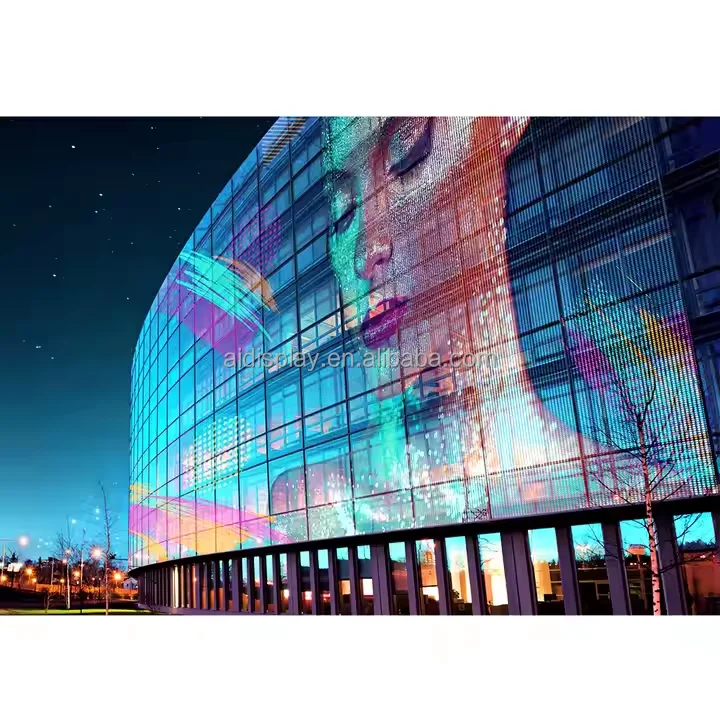
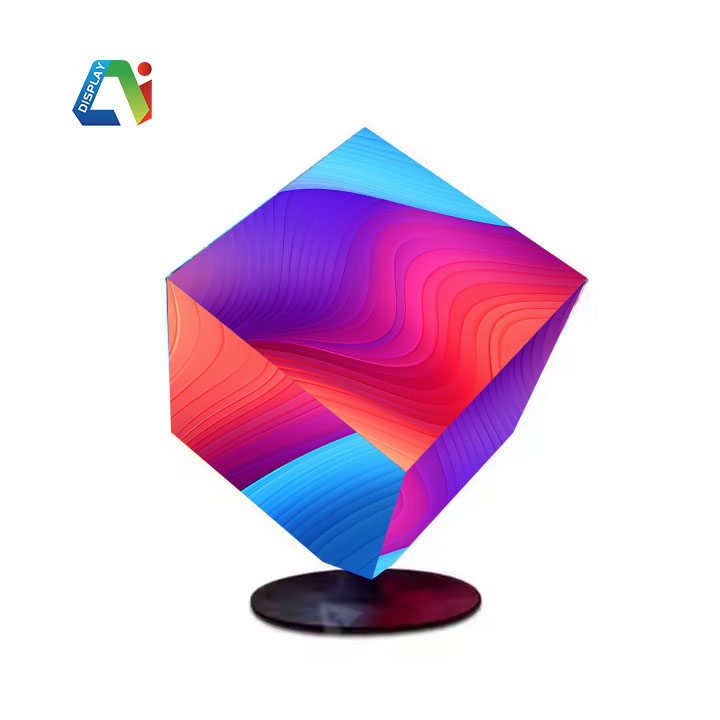
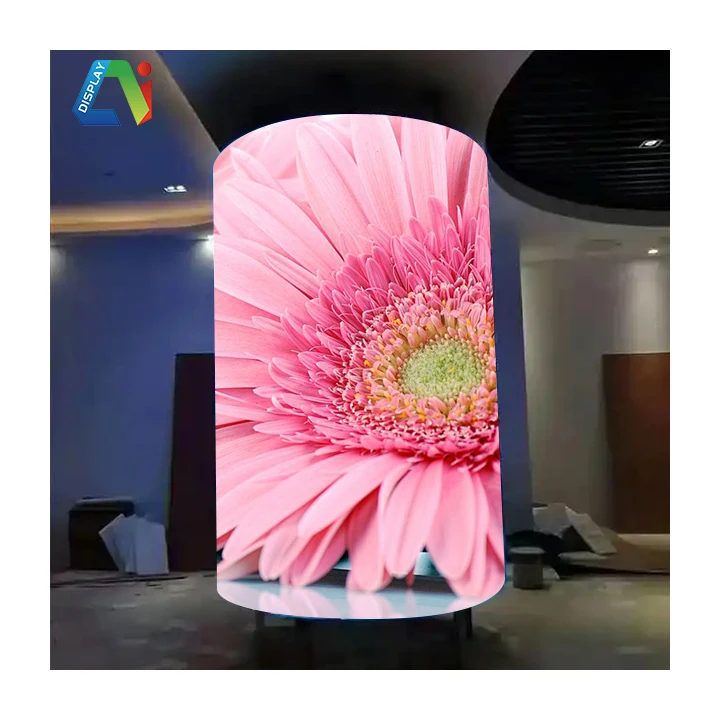
Ragam produk kami meliputi custom-shaped Tampilan LED ,solusi LED fleksibel, tampilan berbentuk bola, layar berbentuk silinder, dan struktur LED tidak beraturan lainnya.
Untuk proyek meja resepsionis, tim teknik kami dapat bekerja berdasarkan gambar arsitektur, dimensi, atau konsep 3D guna mengevaluasi penataan modul LED, struktur pendukung, jarak piksel (pixel pitch), sistem kontrol, serta metode perawatan sebelum produksi.
Hal ini sangat penting ketika tampilan LED harus mengikuti lengkungan furnitur, dimensi khusus, atau detail arsitektural.
Tujuannya sederhana:
Pengunjung seharusnya memperhatikan konten—bukan fakta bahwa layar telah ditambahkan ke meja.
Jika Anda merancang meja resepsionis hotel, lobi perusahaan, ruang pamer, meja kasir ritel, atau meja depan pameran, hubungi Tampilan AI dengan dimensi meja dan gambar desain Anda untuk membahas solusi LED yang disesuaikan.
 Berita Terkini
Copyright © 2025 by Shenzhen Ai Display Technology Co., Ltd - KEBIJAKAN PRIVASI
 EN
EN