LED sono progettati per un funzionamento a lungo termine, ma dopo cinque anni o più di utilizzo continuo, anche i sistemi di alta qualità iniziano a mostrare segni di invecchiamento. La luminosità diminuisce, i colori diventano non uniformi, compaiono pixel morti e i sistemi di raffreddamento perdono efficienza. Per molte aziende, sostituire l’intero display è costoso e spesso superfluo.
Per questo motivo Ricondizionamento degli schermi LED è diventata una soluzione sempre più popolare nel settore dei display commerciali.
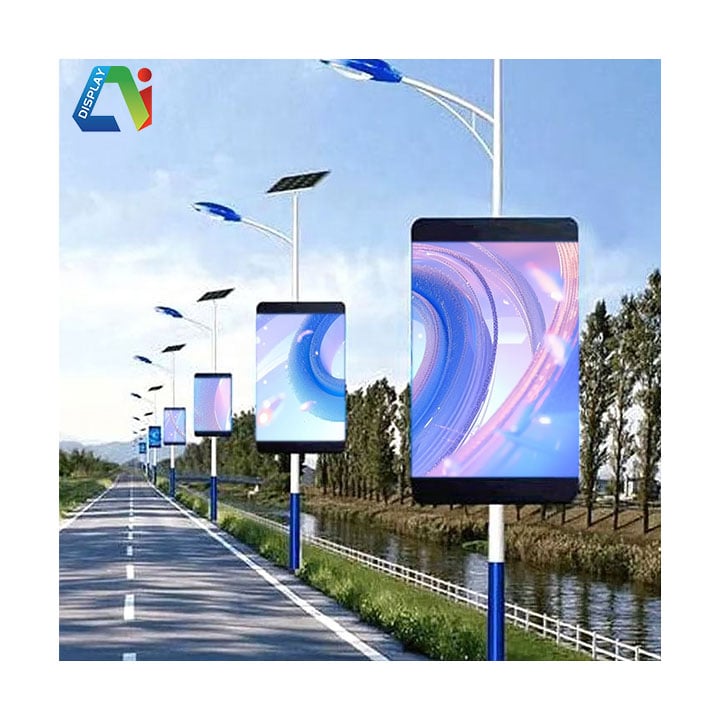
Che si tratti di un cartellone pubblicitario esterno, di una video wall per il retail, di uno schermo a noleggio per palcoscenici o di un’installazione LED su misura, il ricondizionamento professionale può estendere significativamente la vita utile di un display LED obsoleto, migliorandone al contempo qualità dell’immagine, stabilità ed efficienza energetica.
La maggior parte degli schermi LED funziona per migliaia di ore ogni anno. Nel tempo, l’esposizione continua al calore, all’umidità, alla polvere e allo stress elettrico influisce gradualmente sulle prestazioni del sistema.
I problemi più comuni riscontrati negli schermi LED più datati includono:
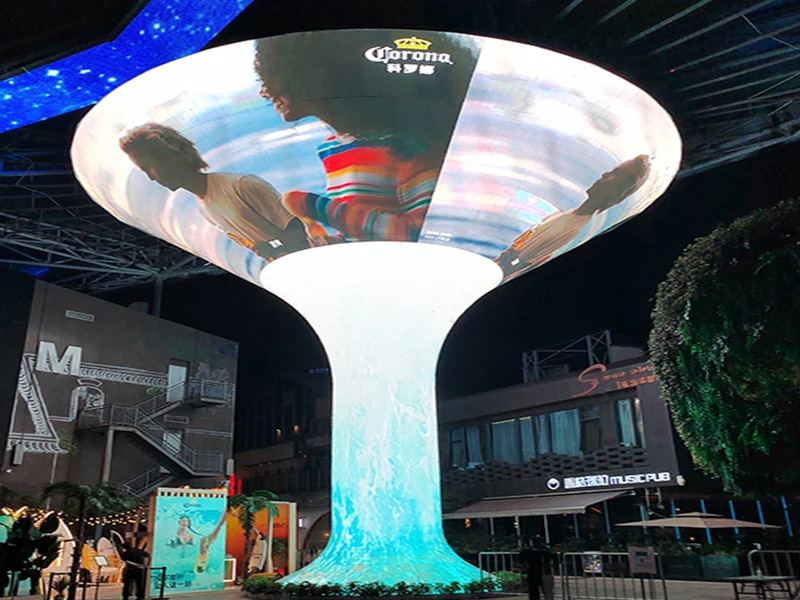
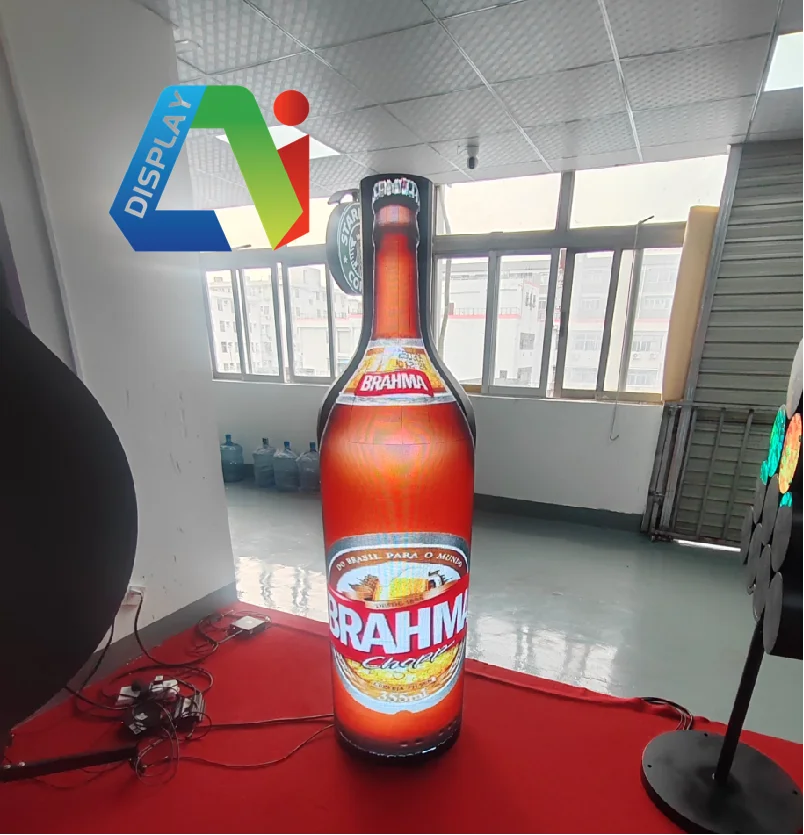
Per gli schermi LED di forma personalizzata, questi problemi possono diventare ancora più evidenti, poiché le strutture irregolari esercitano uno stress aggiuntivo sui moduli, sui cablaggi e sui sistemi termici.
Invece di sostituire l'intero schermo, il processo di ricondizionamento si concentra sul ripristino del display in condizioni operative stabili.
La prima fase del ricondizionamento di uno schermo LED è un’ispezione tecnica completa.
Gli ingegneri professionisti valutano generalmente:
Per i display LED esterni e irregolari, la sigillatura impermeabile e l’ispezione delle sollecitazioni strutturali sono particolarmente importanti.
Un rapporto diagnostico dettagliato aiuta a stabilire se il refurbishment è tecnicamente e finanziariamente conveniente.
Dopo diversi anni di funzionamento, alcuni moduli LED sviluppano inevitabilmente difetti visibili.
I problemi tipici legati ai moduli includono:
A seconda dello stato dello schermo, gli ingegneri possono scegliere:
Vengono sostituiti solo i moduli danneggiati.
Vantaggi:
Tutti i moduli del display vengono sostituiti, mantenendo la struttura originale del cabinet.
Vantaggi:
Questo approccio è comune nelle più vecchie installazioni personalizzate a LED, in cui il telaio del cabinet rimane strutturalmente integro.
Gli alimentatori sono tra i componenti più soggetti a guasti nei display LED obsoleti.
Dopo anni di funzionamento continuo, i sistemi di alimentazione possono presentare:
Gli alimentatori di sostituzione moderni offrono:
La sostituzione dei vecchi sistemi di alimentazione può migliorare significativamente sia l'affidabilità che il risparmio energetico.
Uno dei più grandi problemi visivi negli schermi LED più datati è l'irregolarità di colore e luminosità.
Nel tempo, i LED invecchiano a ritmi diversi, causando:
Il rifacimento professionale comprende processi avanzati di ricalibrazione, quali:
Molte aziende utilizzano attualmente sistemi di calibrazione ad alta precisione per le telecamere al fine di ripristinare l’uniformità visiva su tutto lo schermo.
Per i display LED curvi o di forma personalizzata, la ricalibrazione è ancora più importante, poiché angoli di visione irregolari amplificano le incongruenze visive.
La gestione termica svolge un ruolo fondamentale nell’allungare la durata dei LED.
I display LED più vecchi spesso accumulano polvere e soffrono di una ridotta efficienza del flusso d’aria.
Il processo di ricondizionamento può includere:
Temperature operative più basse contribuiscono a ridurre:
Miglioramenti adeguati del sistema di raffreddamento possono aggiungere diversi anni aggiuntivi di funzionamento stabile.
Molti schermi LED installati più di cinque anni fa utilizzano sistemi di controllo obsoleti.
La tecnologia moderna per il controllo degli schermi LED offre notevoli miglioramenti in:
L’aggiornamento delle schede riceventi, delle schede invianti e del software di controllo può migliorare drasticamente le prestazioni complessive del display senza sostituire l’intero schermo.
Per gli schermi LED esterni, la protezione ambientale è essenziale durante la fase di ristrutturazione.
Gli ingegneri ispezionano e ripristinano spesso:
I display LED personalizzati per esterni sono particolarmente vulnerabili perché forme creative del cabinet possono creare aree con esposizione all’acqua non uniforme.
Il ripristino della protezione ambientale contribuisce a prevenire guasti futuri ed estende la durata operativa.
In molti casi, sì.
Il ricondizionamento professionale può estendere la vita utile di un display LED di:
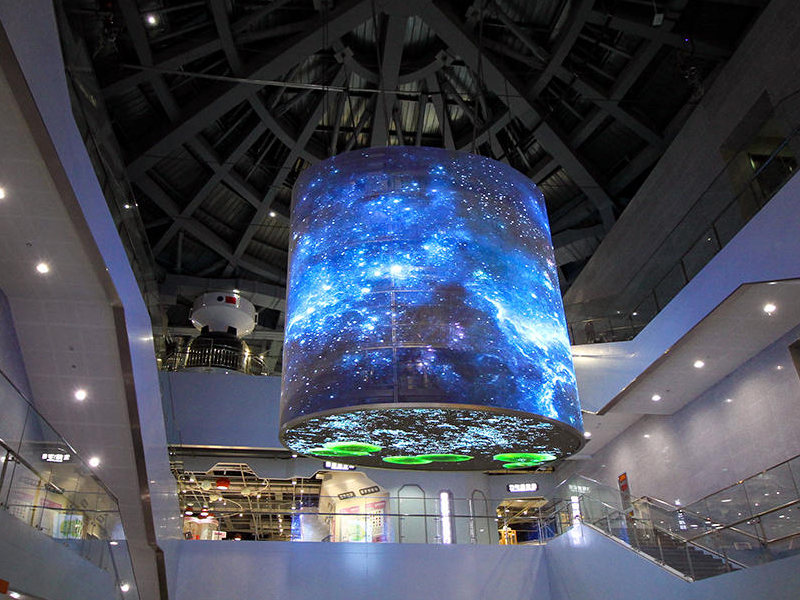
Per grandi installazioni LED di forma personalizzata, la ricondizionatura è spesso molto più pratica rispetto alla ricostruzione dell’intera struttura.
Sebbene la ricondizionatura sia conveniente, alcuni schermi sono troppo obsoleti o gravemente danneggiati per giustificare la riparazione.
La sostituzione completa potrebbe essere necessaria se:
È essenziale effettuare una valutazione ingegneristica professionale prima di prendere la decisione finale.
Poiché la sostenibilità assume un'importanza sempre maggiore nel settore dei display, il rinnovo sta ricevendo attenzione come soluzione ambientalmente responsabile.
Invece di eliminare interi sistemi, il rinnovo consente alle aziende di:
Questa tendenza è particolarmente importante per le grandi installazioni commerciali a LED e per i display architettonici personalizzati.
Dopo cinque o più anni di funzionamento, i display LED subiscono naturalmente un invecchiamento e un calo delle prestazioni. Tuttavia, ciò non significa necessariamente che lo schermo debba essere sostituito.
Il rifacimento professionale dei display LED può ripristinare:
Per le aziende che utilizzano display LED di forma personalizzata, il rifacimento rappresenta un’opzione economica e sostenibile per prolungare la vita utile del sistema mantenendo elevate prestazioni visive.
Con opportuni aggiornamenti, una nuova taratura e un’ottimizzazione termica, un display LED invecchiato può continuare a funzionare in modo efficace per molti altri anni.
 Notizie in primo piano
2026-10-20
2026-10-19
2026-10-17
Copyright © 2025 by Shenzhen Ai Display Technology Co., Ltd - Informativa sulla privacy
 EN
EN