Світлодіодні екрани розроблені для тривалої експлуатації, але після п’яти років або більше безперервного використання навіть високоякісні системи починають демонструвати ознаки старіння. Яскравість зменшується, кольори стають неоднорідними, з’являються мертві пікселі, а системи охолодження втрачають ефективність. Для багатьох компаній заміна всього дисплея є дорогим і часто непотрібним рішенням.
Саме тому Ремонт LED-екранів стає все більш популярним рішенням у сфері комерційних дисплеїв.
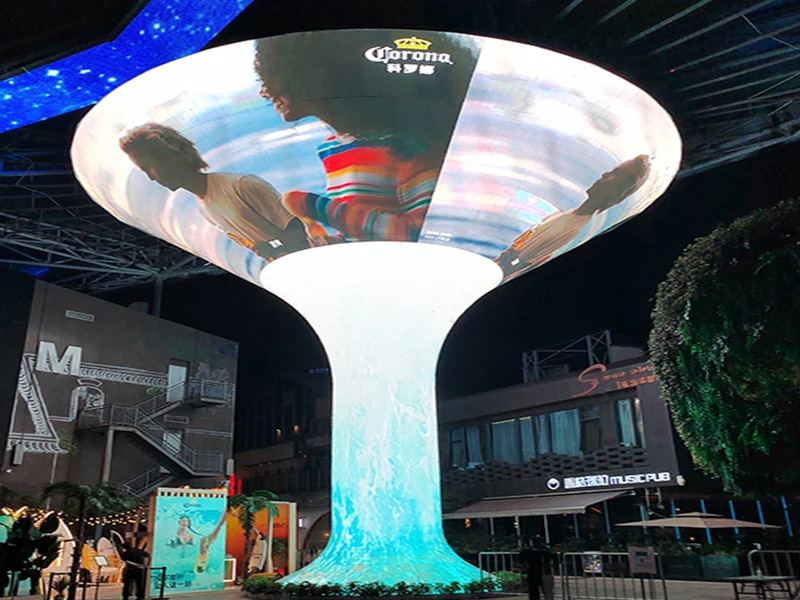
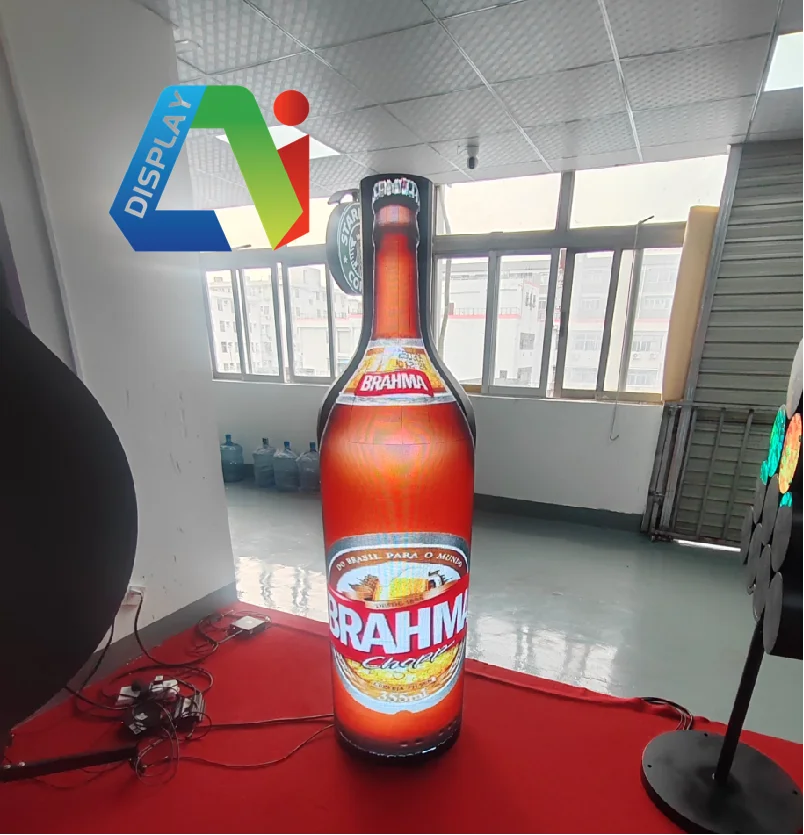
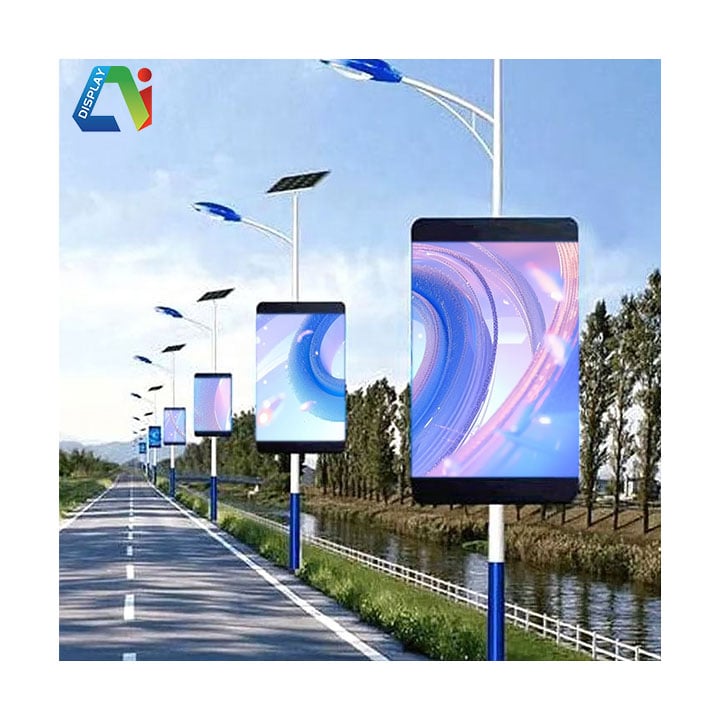
Чи то зовнішній рекламний щит, відеостіна для роздрібної торгівлі, сценічний орендований екран чи індивідуальна LED-інсталяція нестандартної форми — професійне відновлення може значно подовжити термін служби старіючого LED-дисплея, покращивши при цьому якість зображення, стабільність та енергоефективність.
Більшість LED-дисплеїв працюють тисячі годин щороку. З часом постійне вплив тепла, вологості, пилу та електричного навантаження поступово погіршує роботу системи.
Поширені проблеми, що виявляються в старих LED-дисплеях, включають:
Для світлодіодних екранів нестандартної форми ці проблеми можуть стати ще більш помітними, оскільки неправильна конструкція додає додаткове навантаження на модулі, кабелі та системи охолодження.
Замість заміни всього екрана відновлення зосереджується на приведенні дисплею в стан стабільної роботи.
Першим етапом відновлення світлодіодного екрана є повне технічне обстеження.
Професійні інженери, як правило, оцінюють:
Для зовнішніх та нерегулярних LED-дисплеїв особливо важливе водонепроникне ущільнення та перевірка структурних навантажень.
Детальний діагностичний звіт допомагає визначити, чи є відновлення технічно й фінансово доцільним.
Після кількох років експлуатації деякі LED-модулі неминуче набувають видимих дефектів.
Типові проблеми, пов’язані з модулями:
Залежно від стану екрана, інженери можуть обрати:
Замінюються лише пошкоджені модулі.
Переваги:
Усі модулі дисплея замінюються, тоді як оригінальна конструкція корпусу залишається незмінною.
Переваги:
Цей підхід є поширеним у старих індивідуальних LED-установках, де каркас шафи залишається структурно міцним.
Блоки живлення є одними з найбільш схильних до відмов компонентів у старіючих LED-дисплеях.
Після років безперервної роботи електричні системи можуть страждати від:
Сучасні замінні блоки живлення забезпечують:
Заміна старих систем живлення може значно покращити як надійність, так і енергозбереження.
Одна з найбільших візуальних проблем у старих LED-дисплеях — нерівномірні колір і яскравість.
З часом світлодіоди старіють із різною швидкістю, що призводить до:
Професійне відновлення включає передові процеси рекалібрування, зокрема:
Багато компаній тепер використовують системи калібрування камер високої точності для відновлення візуальної однорідності по всьому екрану.
Для зігнутих або LED-дисплеїв нестандартної форми повторна калібрування є ще важливішою, оскільки нерегулярні кути огляду посилюють візуальні невідповідності.
Термокерування відіграє ключову роль у подовженні терміну служби LED.
У старих LED-дисплеях часто накопичується пил, а також знижується ефективність повітрообміну.
Ремонт може включати:
Нижчі робочі температури сприяють зменшенню:
Правильне покращення системи охолодження може продовжити стабільну роботу на кілька додаткових років.
Багато LED-екранів, встановлених понад п’ять років тому, використовують застарілі системи керування.
Сучасні LED-технології керування забезпечують значні покращення в таких аспектах:
Оновлення приймальних плат, передавальних плат та програмного забезпечення керування може кардинально покращити загальну продуктивність дисплею без заміни всього екрана.
Для зовнішніх LED-екранів під час модернізації обов’язковою є екологічна захистна обробка.
Інженери часто перевіряють і відновлюють:
Індивідуальні зовнішні LED-дисплеї особливо вразливі, оскільки нестандартна форма кабінетів може призводити до нерівномірного впливу води.
Відновлення екологічної захистної обробки допомагає запобігти майбутнім відмовам та продовжує термін експлуатації.
У багатьох випадках — так.
Професійна модернізація може продовжити термін служби LED-дисплея на:
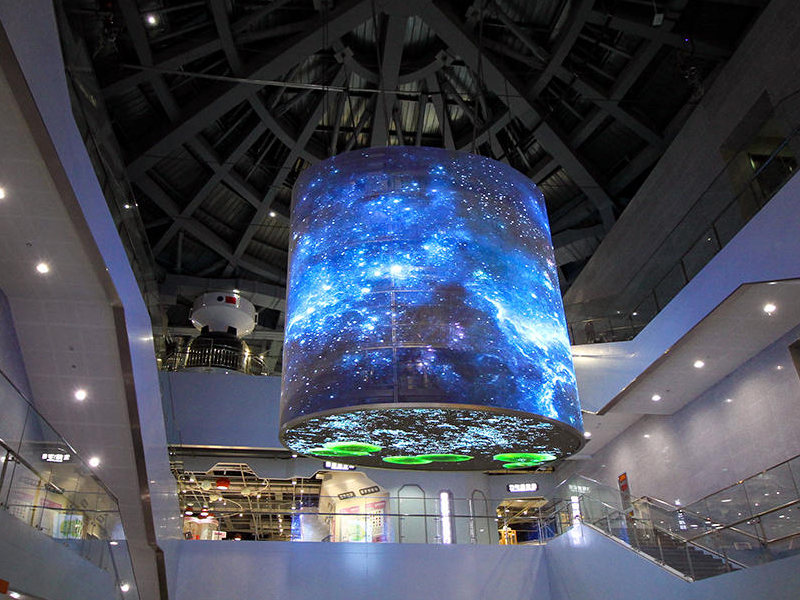
Для великих індивідуальних LED-конструкцій неправильної форми відновлення часто є набагато більш практичним рішенням, ніж повне перебудування всієї конструкції.
Хоча відновлення є економічно вигідним, деякі екрани надто застарілі або серйозно пошкоджені, щоб виправдовувати ремонт.
Повна заміна може бути необхідною, якщо:
Перед прийняттям остаточного рішення обов’язкова професійна інженерна оцінка.
Оскільки сталість стає все важливішою в галузі дисплеїв, оновлення набуває уваги як екологічно відповідальне рішення.
Замість відходження цілих систем оновлення дозволяє підприємствам:
Ця тенденція особливо важлива для великих комерційних LED-інсталяцій та індивідуальних архітектурних дисплеїв.
Після п’яти або більше років експлуатації LED-дисплеї природним чином старіють і втрачають продуктивність. Однак це не означає, що екран обов’язково потрібно замінювати.
Професійне відновлення LED-екранів може відновити:
Для підприємств, які використовують LED-екрани нестандартної форми, відновлення забезпечує економічно вигідний і сталіший спосіб подовження терміну служби системи з одночасним збереженням високої якості візуальної продуктивності.
Завдяки належним модернізації, рекалібруванню та оптимізації теплового режиму старіючий LED-дисплей може ефективно працювати ще багато років.
 Гарячі новини
2026-10-20
2026-10-19
2026-10-17
Copyright © 2025 by Shenzhen Ai Display Technology Co., Ltd - ПОЛІТИКА КОНФІДЕНЦІЙНОСТІ
 EN
EN