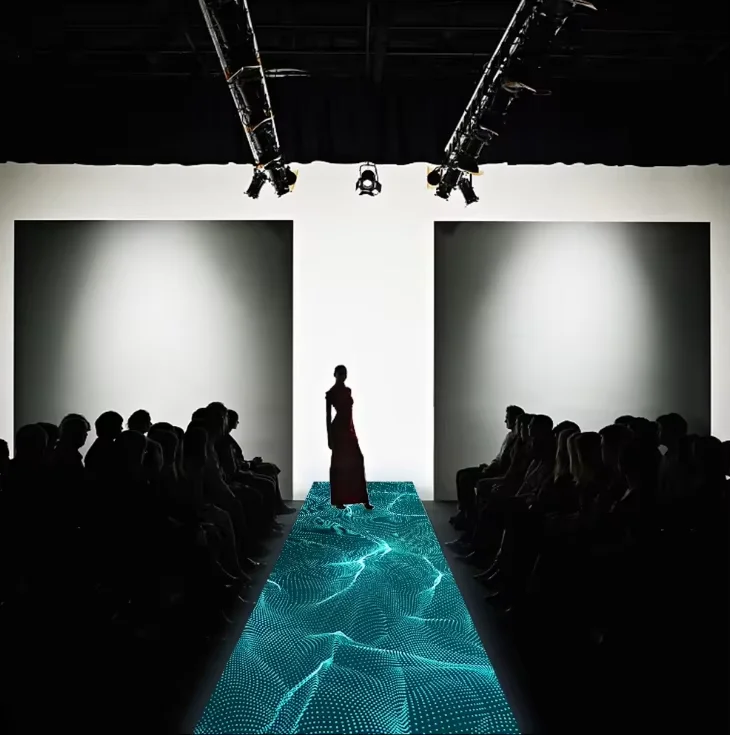
As LED display technology continues to evolve, businesses and event organizers are looking for more immersive ways to engage audiences. Among the most innovative solutions available today is the LED floor screen, also known as an LED dance floor display or interactive LED floor screen.
Unlike traditional LED video walls that viewers watch from the front, LED floor screens transform the ground into a dynamic visual experience. They combine high-strength structural design with interactive technology, creating stunning effects that respond to movement in real time.
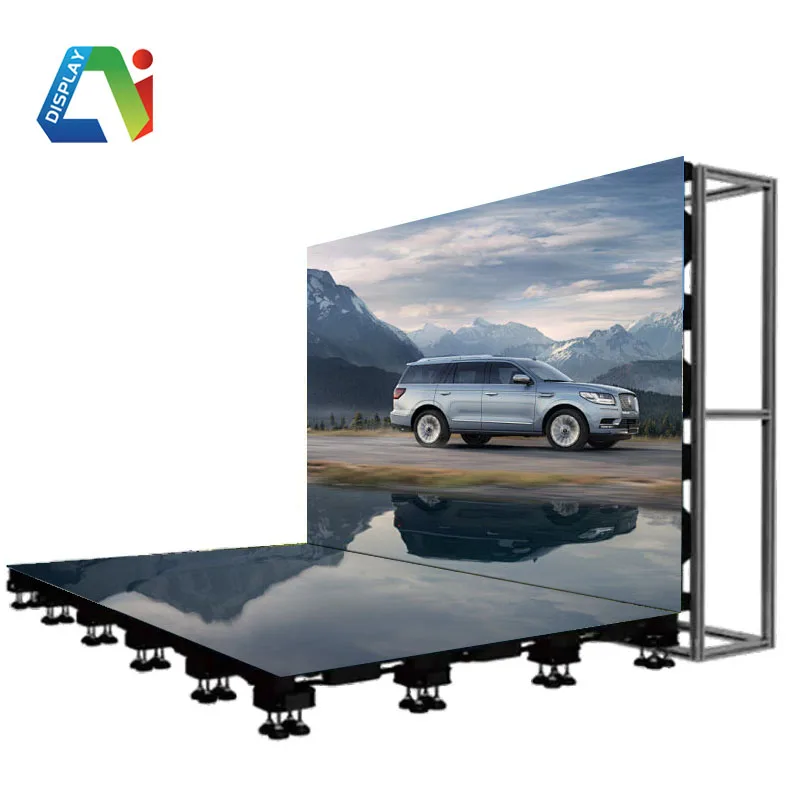
An LED floor screen is a specialized LED display designed for installation directly on the ground. Because people walk, dance, and sometimes even drive equipment over its surface, manufacturers engineer these displays with significantly higher durability than conventional LED screens.
Key features typically include:
For example, Ai Display LED floor screens can support loads of up to 1.5 ton per square meter, making them suitable for both commercial and entertainment environments.
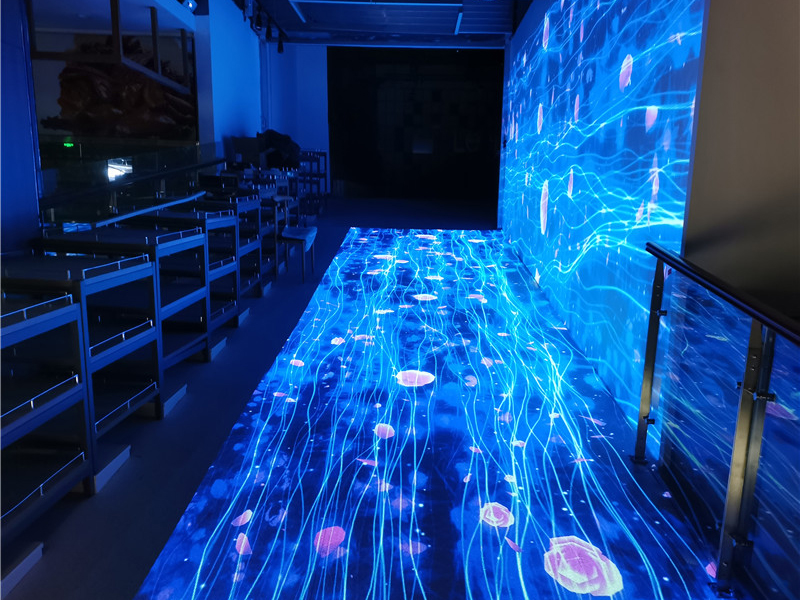
Although both products use LED technology to display content, their design and functionality differ significantly.
The most obvious difference lies in structural strength.
Standard LED displays are designed for wall mounting, hanging, or freestanding installations. They are not built to withstand foot traffic or heavy pressure.
In contrast, LED floor screens feature reinforced cabinets, strengthened support structures, and thicker protective panels. As a result, they can safely handle constant pedestrian traffic and even heavy equipment in some applications.
Many LED floor screens include interactive sensing systems that traditional LED displays do not offer.
Manufacturers typically provide two versions:
Non-interactive models mainly function as durable ground displays. However, interactive versions incorporate sensing technology that detects movement and triggers corresponding visual effects.
Consequently, users can create engaging experiences that standard LED displays cannot achieve.
Since floor screens operate in demanding environments, they require additional protection.
Compared with ordinary LED displays, LED floor screens feature:
These features help maintain display quality while ensuring visitor safety.
A standard LED display follows a simple process:
Content Source → LED Controller → LED Screen
The screen receives image signals from a computer or media player and displays the content.
An interactive LED floor screen works differently.
In addition to receiving video signals, it continuously collects interaction data from sensors and sends that information back to the control system. The system then processes the data and generates corresponding visual effects at the exact location where interaction occurs.
As a result, the display can react instantly to user movement.
 Hot News
2026-09-17
2026-09-16
2026-09-15
Copyright © 2025 by Shenzhen Ai Display Technology Co., Ltd - Privacy policy
 EN
EN