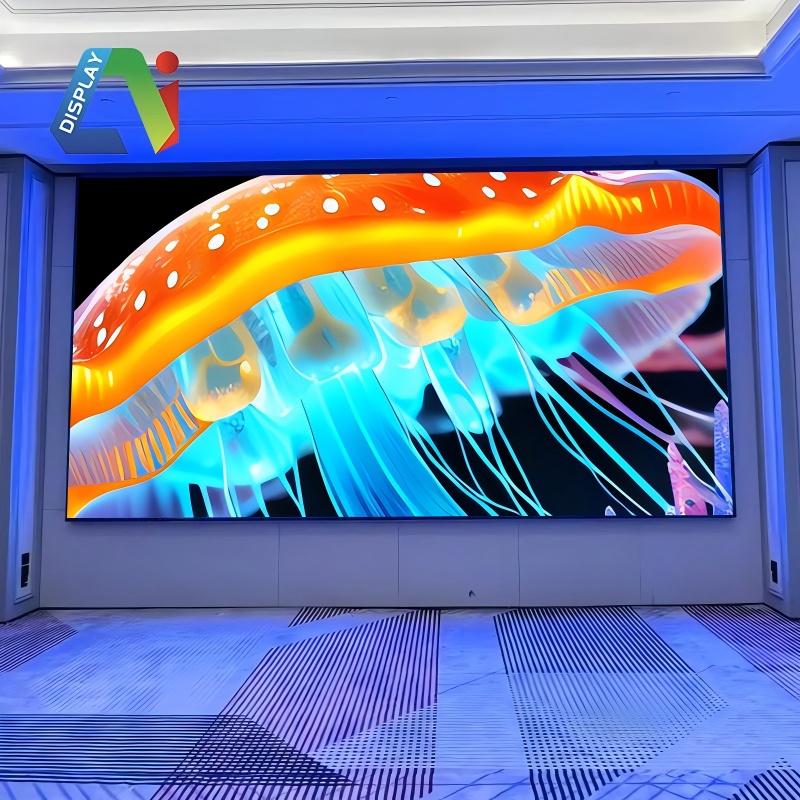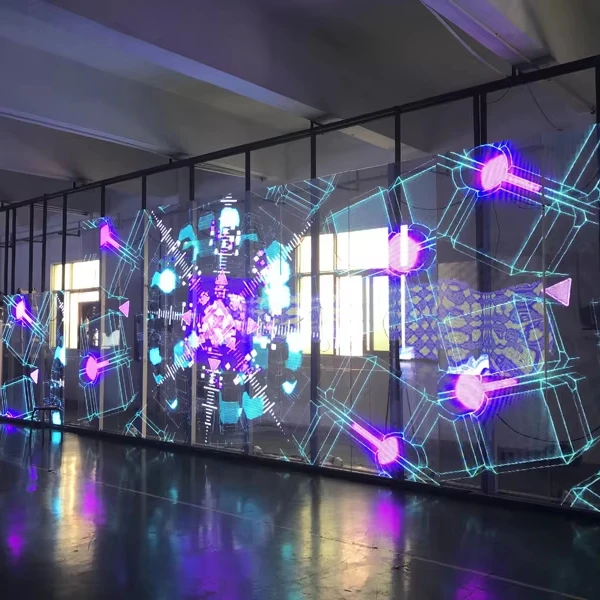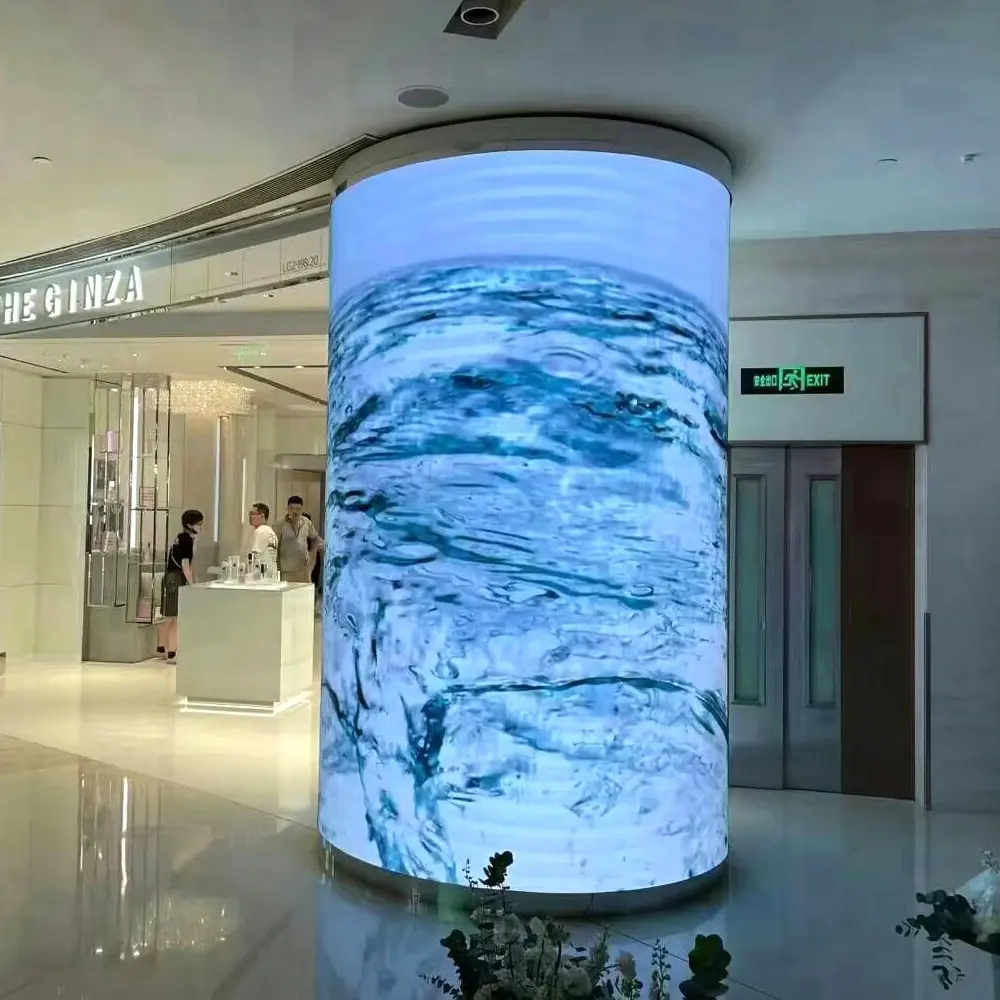
LED 디스플레이 기술이 지속적으로 발전함에 따라 곡면 LED 화면 상업, 엔터테인먼트, 전문 분야 등 다양한 환경에서 점차 인기를 끌고 있습니다. 몰입형 전시관과 운영 센터부터 대규모 무대 및 디지털 영화관에 이르기까지 곡면 LED 디스플레이는 기존 평면 스크린이 쉽게 따라잡기 어려운 장점을 제공합니다.
평면 LED 디스플레이가 여전히 많은 프로젝트에 실용적인 해결책으로 자리 잡고 있지만, 곡면 LED 스크린은 보다 몰입감 있는 시청 경험을 창출하고, 시각적 편안함을 높이며, 디자인 측면에서 더 큰 유연성을 제공합니다.
곡면 LED 디스플레이의 주요 이점과 특히 효과적으로 활용되는 응용 분야를 살펴보겠습니다.
곡면 LED 디스플레이의 가장 큰 장점 중 하나는 강력한 몰입감을 조성할 수 있다는 점입니다.
평면 스크린과 달리 곡면 디스플레이는 인간의 자연스러운 시야 형태를 따릅니다. 따라서 영상이 관람자를 더욱 자연스럽게 감싸며, 콘텐츠를 더 크고 생동감 있게 느끼게 합니다.
이 효과는 다음 콘텐츠를 재생할 때 특히 두드러집니다.
화면이 관람자의 주변 시야로 확장되기 때문에, 깊이감과 몰입감이 더욱 강화됩니다.
이러한 이유로, 많은 몰입형 전시회, 시뮬레이션 센터, 엔터테인먼트 시설에서 전통적인 평면 스크린 대신 곡면 LED 디스플레이를 선택합니다.
곡면 LED 스크린은 장시간 시청 시 쾌적함을 향상시킬 수도 있습니다.
평면 디스플레이의 경우, 화면 중앙부가 가장자리보다 관람자에게 더 가깝게 위치합니다. 화면 크기가 커질수록 이 거리 차이가 더 뚜렷해집니다.
곡면 스크린은 화면 전체를 관람자의 눈과 유사한 거리에 유지함으로써 이러한 문제를 해결해 줍니다.
그 결과, 관람자들은 다음을 경험하게 됩니다:
또한 사용자는 머리를 자주 돌리지 않고도 화면 가장자리 콘텐츠를 보다 자연스럽게 볼 수 있습니다.
이 이점은 다음 상황에서 특히 유용합니다:
운영자가 화면을 오랜 시간 바라보는 경우가 많기 때문에 시각적 편안함이 중요한 고려 사항이 됩니다.
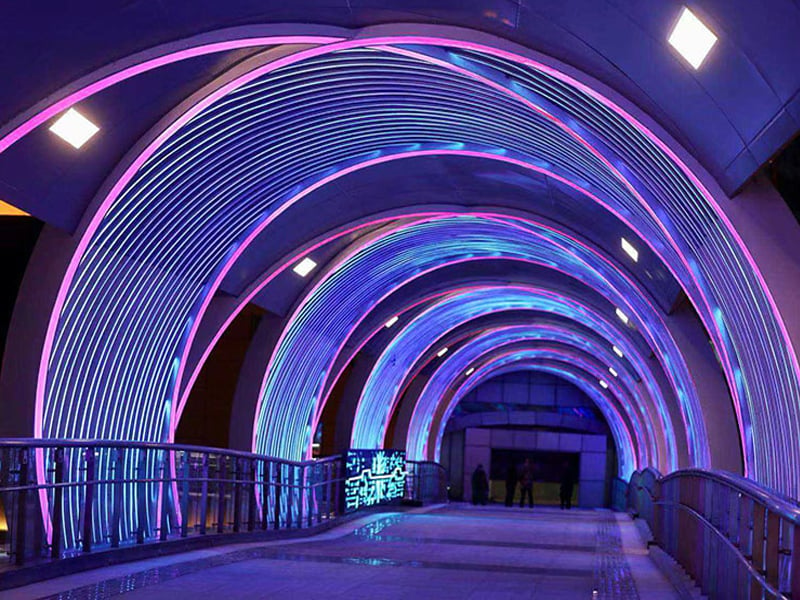
곡면 LED 디스플레이는 즉시 주목을 끕니다.
독특한 형태가 현대적이고 첨단 기술적인 외관을 연출하여 공간 전체의 분위기를 한층 격상시킵니다.
많은 디자이너들이 곡면 LED 화면을 선택하는 이유는 다음과 같습니다.
고급 쇼룸, 기업 로비 또는 전시 센터 등 어디에 설치되든 곡면 LED 디스플레이는 종종 해당 공간의 시선 집중 포인트가 됩니다.
또한 곡면 디자인은 가용 공간을 보다 효율적으로 활용할 수 있습니다. 많은 경우, 설치 면적을 크게 늘리지 않더라도 더 큰 시각적 임팩트를 제공할 수 있습니다.
관람자가 큰 평면 화면을 옆쪽 각도에서 볼 때, 화면 가장자리 근처의 영상이 늘어나거나 왜곡되어 보일 수 있습니다.
디스플레이 크기가 커질수록 이러한 문제가 더욱 두드러집니다.
곡면 LED 화면은 물리적 곡률을 통해 이 효과를 보완해 줍니다. 화면이 자연스럽게 이미지를 관객 쪽으로 더 많이 향하게 하여, 전체 디스플레이 표면에서 보다 일관된 시청 경험을 제공합니다.
결과적으로 관객은 다음을 누릴 수 있습니다.
이러한 장점은 대형 포맷 설치에 특히 중요합니다.
많은 대형 LED 프로젝트에서는 여러 개의 디스플레이 패널이 함께 작동해야 합니다.
여러 개의 평면 스크린을 결합할 경우, 구간 간 전환이 때때로 급격하거나 부자연스럽게 보일 수 있습니다.
곡선형 LED 디스플레이는 보다 매끄러운 시각적 연속성을 구현합니다.
각 섹션이 연속적인 곡선을 따르기 때문에 콘텐츠가 디스플레이 표면을 따라 더욱 자연스럽게 흐릅니다.
이로 인해 곡선형 LED 기술은 다음 용도에 이상적입니다.
디자이너는 평평한 패널만 사용해서는 달성하기 어려운 완벽하게 이어지는 시각적 경험을 창출할 수 있습니다.
 최신 소식
최신 소식
저작권 © 2025 심천 아이 디스플레이 테크놀로지 코., 리미티드 소유 - 개인정보 보호 정책
 EN
EN