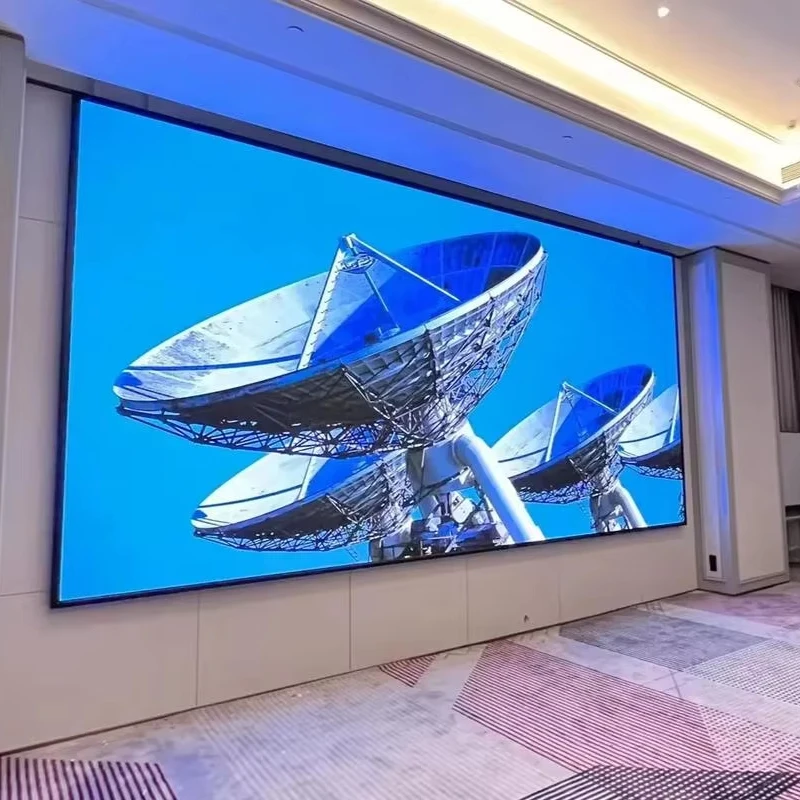
Rental LED displays are assembled and dismantled many times throughout their service life. Concerts, exhibitions, trade shows, and corporate events often require the same cabinets to be installed at different venues within a short period.
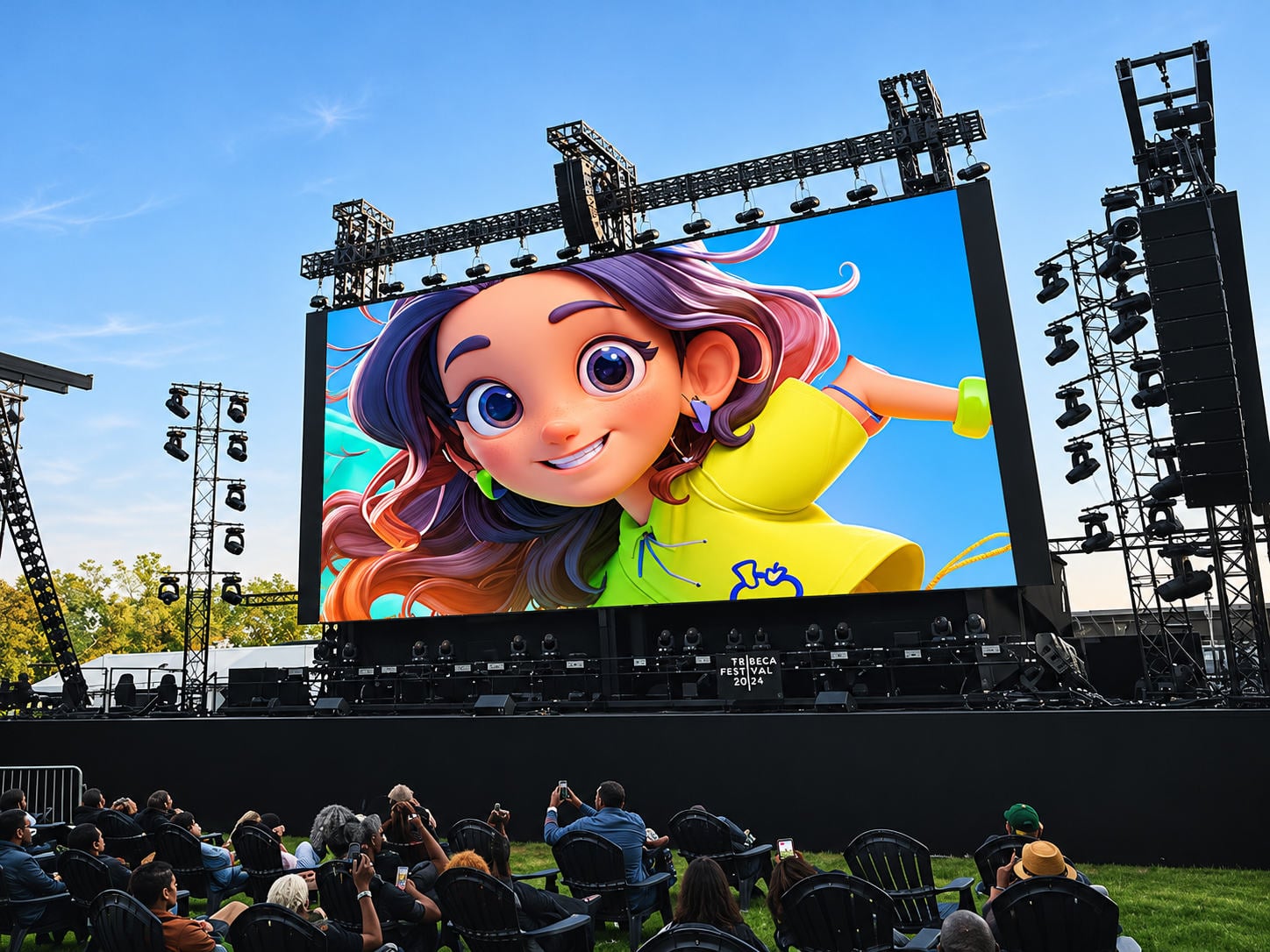
During this process, cabinet locking systems experience repeated mechanical stress. A lock that works well during the first installation may become loose after many assembly cycles.
For event contractors, checking cabinet locking strength is important for maintaining screen alignment, reducing installation problems, and protecting equipment during operation.
The locking system connects individual LED cabinets and keeps them in the correct position.
If a lock becomes loose or fails to engage properly, small gaps may appear between cabinets. The display surface can become uneven, affecting both appearance and installation accuracy.
More importantly, unstable connections may create additional risks when a large LED wall is suspended or assembled into a freestanding structure.
Contractors should not judge a locking system only by how easily it turns or clicks. Its condition after repeated use is more important.
Several problems can develop as rental LED cabinets are repeatedly installed and removed.
Locking mechanism wear: Moving parts may gradually wear down, making the locking action less precise.
Reduced locking force: A damaged or worn mechanism may not hold cabinets together as firmly as before.
Cabinet misalignment: Uneven locking pressure can create visible gaps or differences in cabinet position.
Loose fixing points: Repeated handling and vibration during transportation may loosen screws or damage mounting points.
Difficult operation: A lock that becomes harder to turn may indicate deformation, dirt, corrosion, or mechanical damage.
These problems should be identified before the next event rather than discovered during installation.
Frequent assembly is the main source of mechanical wear, but working conditions also matter.
First, incorrect operation can damage the locking mechanism. Applying excessive force or turning a lock at the wrong angle may deform internal components.
Second, transportation creates additional stress. Cabinets are moved between warehouses, trucks, loading areas, and event venues. Impact and vibration can affect locking points.
Third, dust, moisture, and corrosion may interfere with moving parts, especially when equipment is used outdoors.
Finally, mixing cabinets from different production batches without checking compatibility can cause alignment and connection problems.
A locking system should always be inspected together with the cabinet structure.
Before assembling a rental LED wall, technicians should follow a consistent inspection process.
Step 1: Check the locking components
Inspect lock handles, pins, connecting parts, screws, and contact surfaces. Look for cracks, deformation, rust, and missing components.
Step 2: Test the locking movement
Operate each lock manually. The movement should be consistent, without unusual resistance, excessive looseness, or incomplete engagement.
Step 3: Check cabinet alignment
Connect two cabinets on a flat surface. Inspect the joint from the front and side to identify visible gaps, uneven edges, or movement between the units.
Step 4: Inspect fixing points
Check whether screws and mounting points remain secure. Do not continue using damaged or deformed components.
Step 5: Record unusual conditions
Mark cabinets with locking problems and separate them for repair. This prevents damaged units from returning to the rental inventory without inspection.
A visual inspection cannot fully show how a locking mechanism performs after long-term use.
A more useful approach is repeated assembly and disassembly testing.
Start by selecting representative cabinets and recording their initial condition. Measure the connection gap, inspect the locking movement, and document any unusual mechanical play.
Next, perform repeated locking and unlocking cycles according to the manufacturer's test procedure.
After the test, inspect the same areas again.
Important items include:
Changes in locking handle movement.
Wear on pins and contact surfaces.
Increased clearance between connected cabinets.
Changes in alignment accuracy.
Loose screws or damaged fixing points.
Where possible, manufacturers should also measure locking force using suitable testing equipment and compare the results with the original design requirements.
There is no universal cycle count or locking-force value for every rental LED cabinet. The acceptance criteria should be defined by the product manufacturer and its structural design.
For suspended displays, connection strength must also be evaluated as part of the complete structural and rigging system. Cabinet locks should never be treated as a substitute for approved suspension hardware.
When selecting a rental LED display, buyers should pay attention to the mechanical design, not only pixel pitch and brightness.
Important features include:
Locking mechanism: Check the material, operating method, and replacement availability.
Cabinet frame: Look for accurate machining and stable structural connections.
Positioning pins: These help cabinets maintain consistent alignment during assembly.
Handles: Well-positioned handles make transportation and installation easier.
Protective corners: Corner protection can reduce damage during handling and storage.
AILEDDISPLAY provides rental LED display solutions with different cabinet configurations, including 500 × 500 mm and 500 × 1000 mm options.
You can explore the Rental LED Screen product range and review the available rental LED cabinet models.
Consider an event contractor using the same rental LED cabinets for concerts, exhibitions, and product launches.
The equipment may be assembled and dismantled several times within a short period.
Before each project, technicians inspect the locking mechanisms and connect sample cabinets to check alignment.
If one cabinet shows excessive movement or an abnormal locking position, it is removed from the installation group for further inspection.
This simple process helps reduce unexpected assembly delays and makes equipment maintenance easier to manage.
For companies operating large rental inventories, keeping inspection records for individual cabinets can also help identify components that require replacement.
Q1: How often should rental LED cabinet locks be inspected?
Inspect them before each installation. More detailed mechanical inspections should follow the manufacturer's maintenance schedule and usage conditions.
Q2: Can a loose cabinet lock affect screen image quality?
Yes. Poor cabinet connections can create uneven joints and alignment differences, making the display surface less uniform.
Q3: Should damaged locking mechanisms be repaired on-site?
Only minor maintenance permitted by the manufacturer should be performed on-site. Cracked, deformed, or structurally damaged components should be replaced or professionally evaluated.
Q4: How can buyers compare different rental LED locking systems?
Ask suppliers about locking materials, connection design, replacement parts, cycle-testing procedures, and documented inspection standards.
For event contractors, a reliable rental LED display must handle more than one successful installation. Its cabinet connections should remain consistent through transportation, repeated assembly, and long-term operation.
At AILEDDISPLAY, we focus on LED display solutions for concerts, exhibitions, stage productions, and other professional applications.
With manufacturing capabilities, customized product solutions, and technical support, we help customers evaluate cabinet configurations according to their project requirements.
Before purchasing, ask for detailed cabinet specifications, locking mechanism information, and relevant mechanical test records. These details can help you select rental LED equipment that is easier to maintain and more dependable over time.
 Hot News
2026-11-07
2026-11-06
2026-11-05
Copyright © 2025 by Shenzhen Ai Display Technology Co., Ltd - Privacy policy
 EN