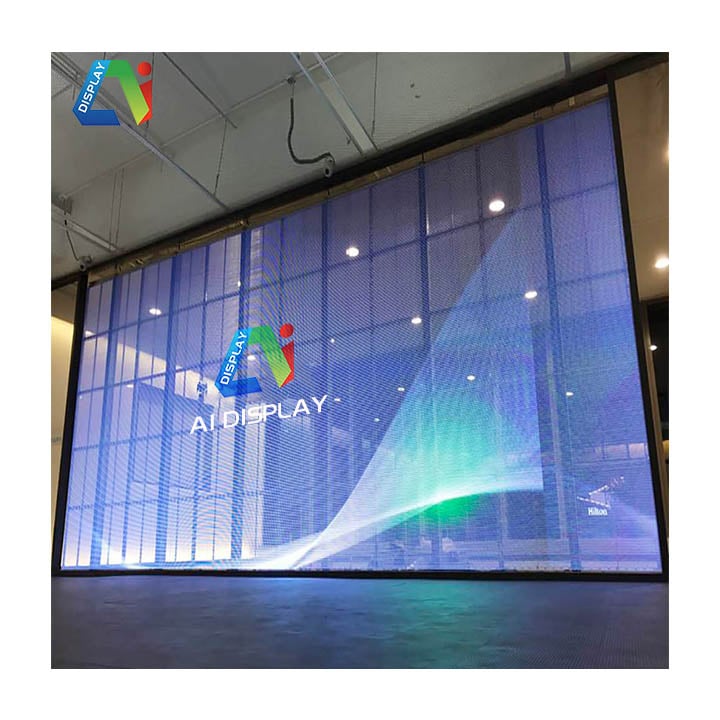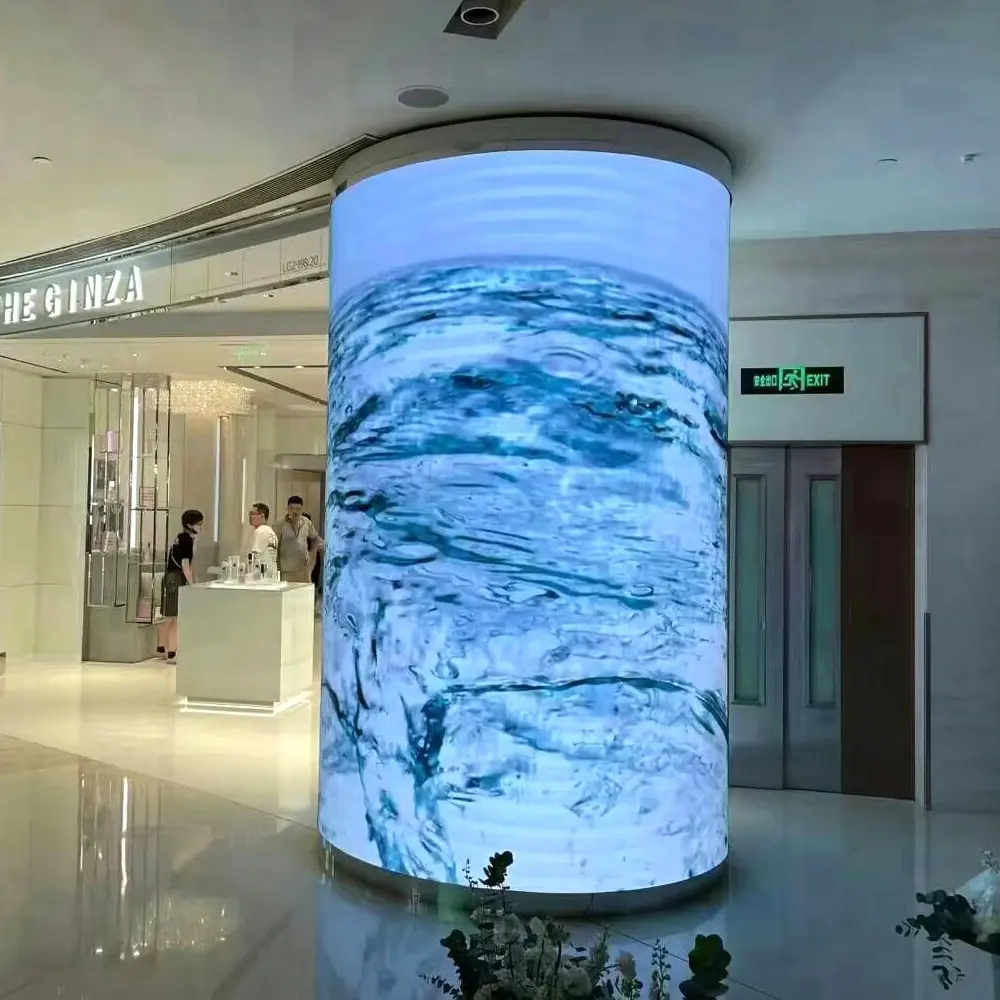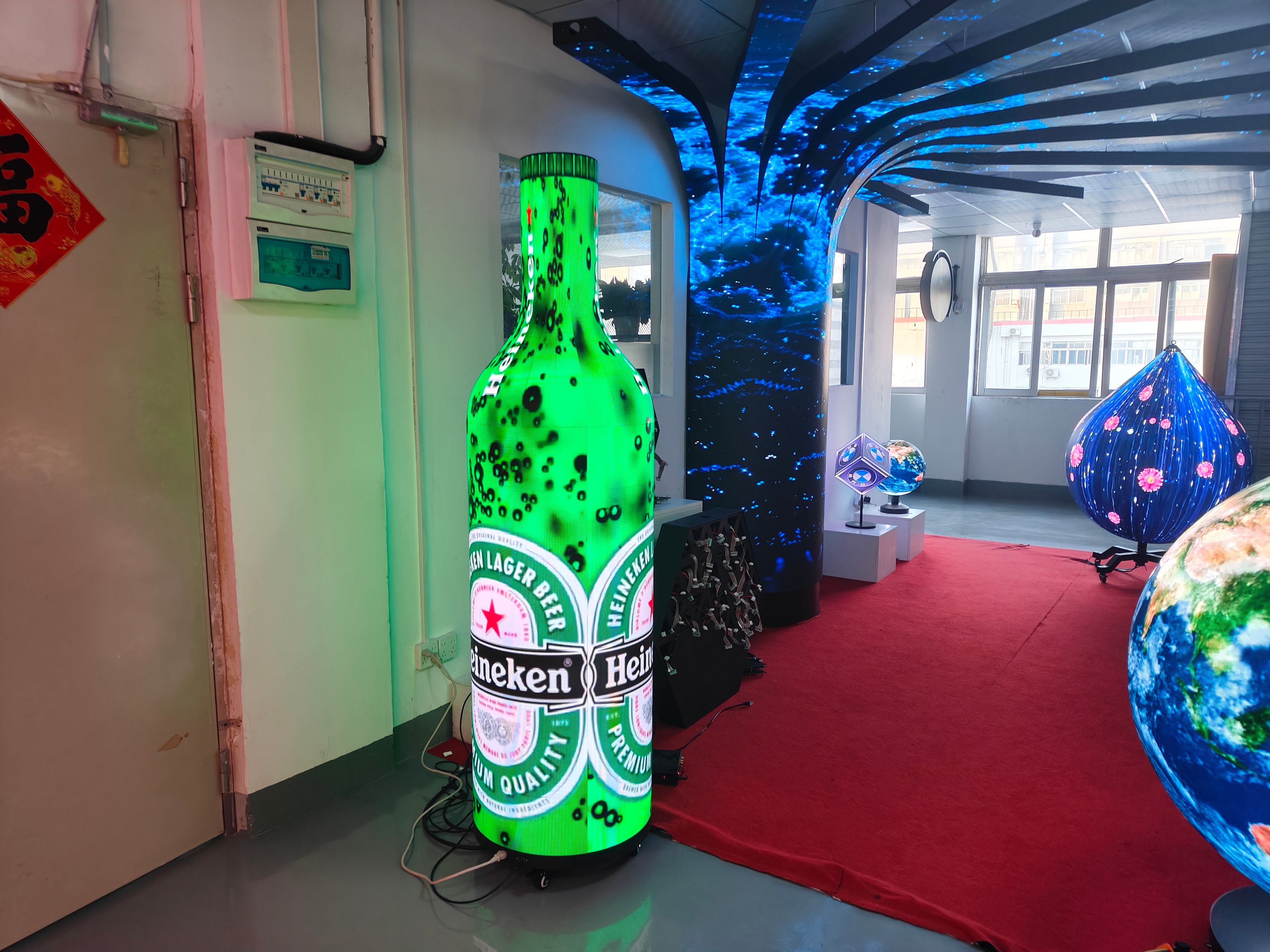
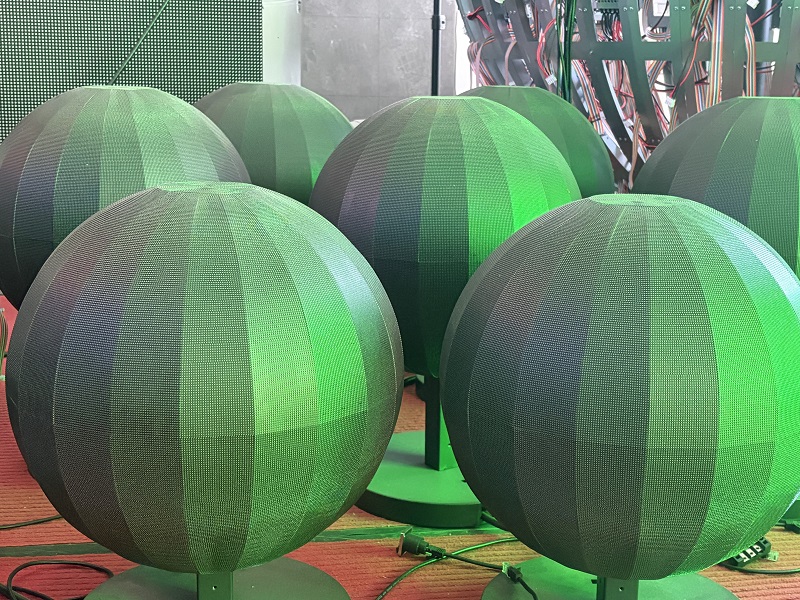
По мере того как технология светодиодных дисплеев всё шире применяется в коммерческой рекламе, иммерсивных пространствах, розничных средах, культурных объектах и «умной» архитектуре, энергоэффективность и экологическая устойчивость приобретают всё большее значение. Это особенно актуально для светодиодные экраны нестандартной формы , где сложные конструкции и продолжительные часы работы могут значительно повысить общее энергопотребление.
По сравнению с традиционными плоскими дисплеями нестандартные светодиодные экраны зачастую требуют индивидуальных корпусов, изогнутых конструкций, креативных схем размещения пикселей и специализированных систем охлаждения. Эти факторы делают проектирование с учётом энергосбережения ещё более критически важным.
Итак, каким условиям должен соответствовать современный индивидуальный светодиодный дисплей, чтобы обеспечить подлинную энергоэффективность и защиту окружающей среды?
Регулировка яркости — одна из наиболее важных технологий энергосбережения для светодиодных дисплеев.
Погодные условия на улице, уровень окружающего освещения и условия установки постоянно меняются в течение дня. Если светодиодный экран поддерживает максимальную яркость постоянно, это приводит к значительным потерям электроэнергии, а также сокращает срок службы светодиодов.
Современные энергоэффективные индивидуальные светодиодные экраны используют:
Многие передовые системы поддерживают регулировку яркости на 256 уровнях , что позволяет экрану автоматически оптимизировать выходное изображение в зависимости от условий окружающей среды.
Для творческих изогнутых светодиодных дисплеев и иммерсивных инсталляций интеллектуальная регулировка яркости особенно важна, поскольку нерегулярные поверхности по-разному взаимодействуют с окружающим светом.
Экологически безопасные светодиодные дисплеи — это не только снижение потребления электроэнергии. Выбор материалов также играет ключевую роль.
Производители высококачественных индивидуальных светодиодных дисплеев всё чаще используют:
В то же время передовые технологии защиты позволяют повысить долговечность без чрезмерного применения химических методов герметизации.
Некоторые инновационные LED-модули используют специализированную обработку поверхности и точное конструктивное проектирование для достижения следующего:
без необходимости чрезмерного использования клеевого герметизирующего покрытия.
Такой подход повышает устойчивость, а также упрощает последующее техническое обслуживание и переработку.
Тепло является одним из главных факторов, влияющих как на энергопотребление, так и на срок службы дисплея.
Светодиодные дисплеи нестандартной формы зачастую выделяют значительное количество тепла из-за:
Без надлежащего теплового управления система может испытывать:
Современные специализированные LED-дисплеи используют высокоэффективные системы конвективного охлаждения для поддержания тепловой стабильности.
Эти системы могут включать:
Алюминий особенно ценен благодаря превосходной теплопроводности, что способствует более равномерному распределению тепла по всей конструкции дисплея.
Эффективный отвод тепла не только повышает надёжность, но и снижает энергозатраты на охлаждение и стабилизацию системы.
Система драйверов светодиодов напрямую влияет на энергоэффективность, стабильность изображения и уровень шума при работе.
Современные энергосберегающие светодиодные экраны обычно используют:
Управление по принципу постоянного тока обеспечивает:
В то же время конструкция с низким уровнем шума минимизирует помехи от силовых систем и внешних электрических источников.
Это особенно важно для:
где стабильность изображения и визуальная согласованность имеют критическое значение.
Сама конструкция шкафа играет ключевую роль в энергоэффективности.
Хорошо спроектированные индивидуальные LED-шкафы должны уделять первоочередное внимание:
Плохой конструктивный дизайн может привести к увеличению:
Современные нестандартные LED-экраны всё чаще используют лёгкие шкафы из алюминиевого сплава для снижения как конструкционной нагрузки, так и теплового накопления.
Современные LED-дисплеи оснащаются передовыми технологиями интеллектуального управления энергией.
Эти системы могут автоматически:
Некоторые высококлассные системы также поддерживают удалённые платформы мониторинга, позволяющие инженерам анализировать:
Это помогает предотвратить потери энергии и одновременно повысить долгосрочную надёжность.
По-настоящему экологичный светодиодный дисплей — это не просто дисплей, потребляющий меньше электроэнергии.
Это также дисплей, срок службы которого дольше и который требует меньшего количества замен.
Светодиодные системы низкого качества могут демонстрировать следующие дефекты:
через сравнительно короткий период эксплуатации.
Частая замена увеличивает:
Высококачественные индивидуальные светодиодные дисплеи снижают экологическое воздействие за счёт:
Творческие светодиодные дисплеи часто работают в сложных условиях, например:
Поскольку такие установки, как правило, крупнее и сложнее традиционных экранов, технологии энергосбережения оказывают ещё большее влияние на эксплуатационные расходы и экологическую устойчивость.
По мере того как глобальные стандарты устойчивого развития продолжают развиваться, энергоэффективная светодиодная технология становится важным конкурентным преимуществом для производителей и системных интеграторов.
Энергоэффективный и экологически безопасный светодиодный экран нестандартной формы требует гораздо большего, чем просто низкое энергопотребление.
По-настоящему устойчивая светодиодная дисплейная система должна объединять в себе:
Для современных нестандартных светодиодных дисплеев устойчивость уже не является опциональной характеристикой. Она стала неотъемлемой частью высококачественного инженерного решения и долгосрочной коммерческой ценности.
 Свежие новости
2026-10-20
2026-10-19
2026-10-17
Copyright © 2025 by Shenzhen Ai Display Technology Co., Ltd - ПОЛИТИКА КОНФИДЕНЦИАЛЬНОСТИ
 EN
EN