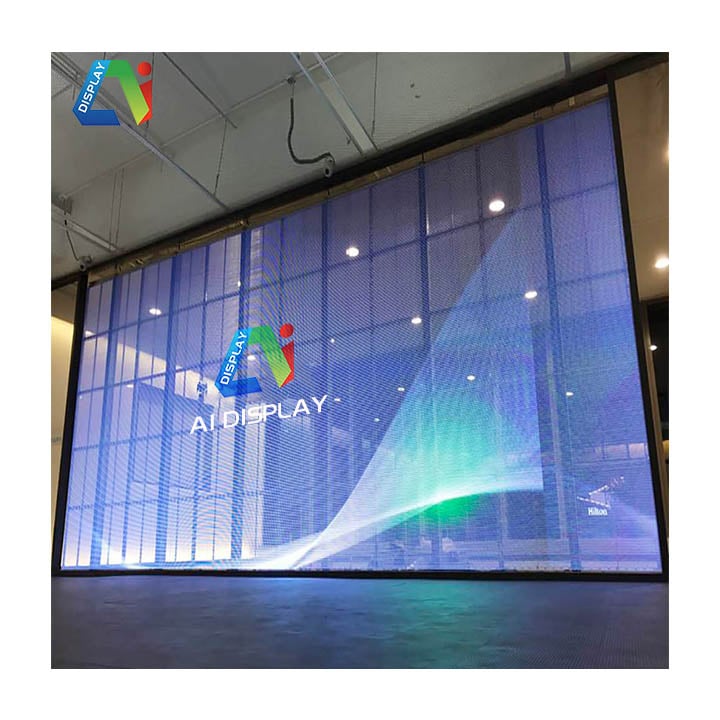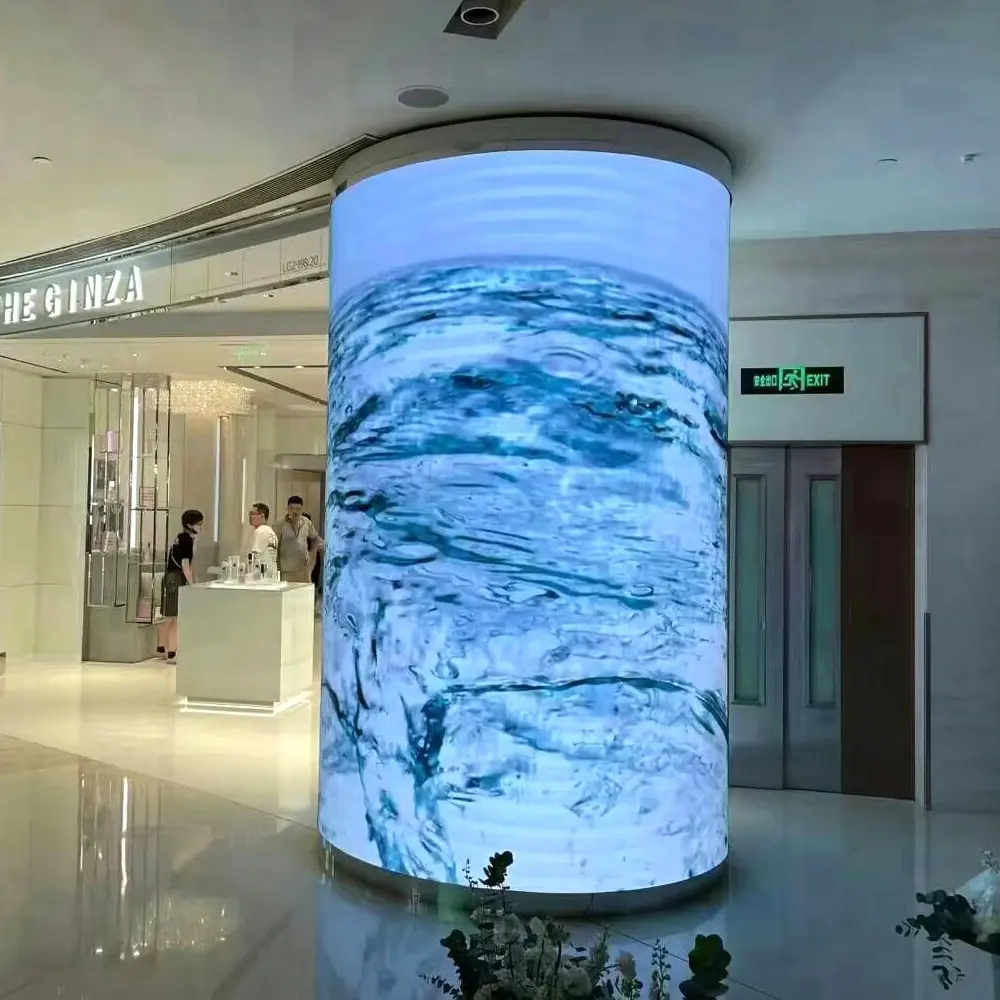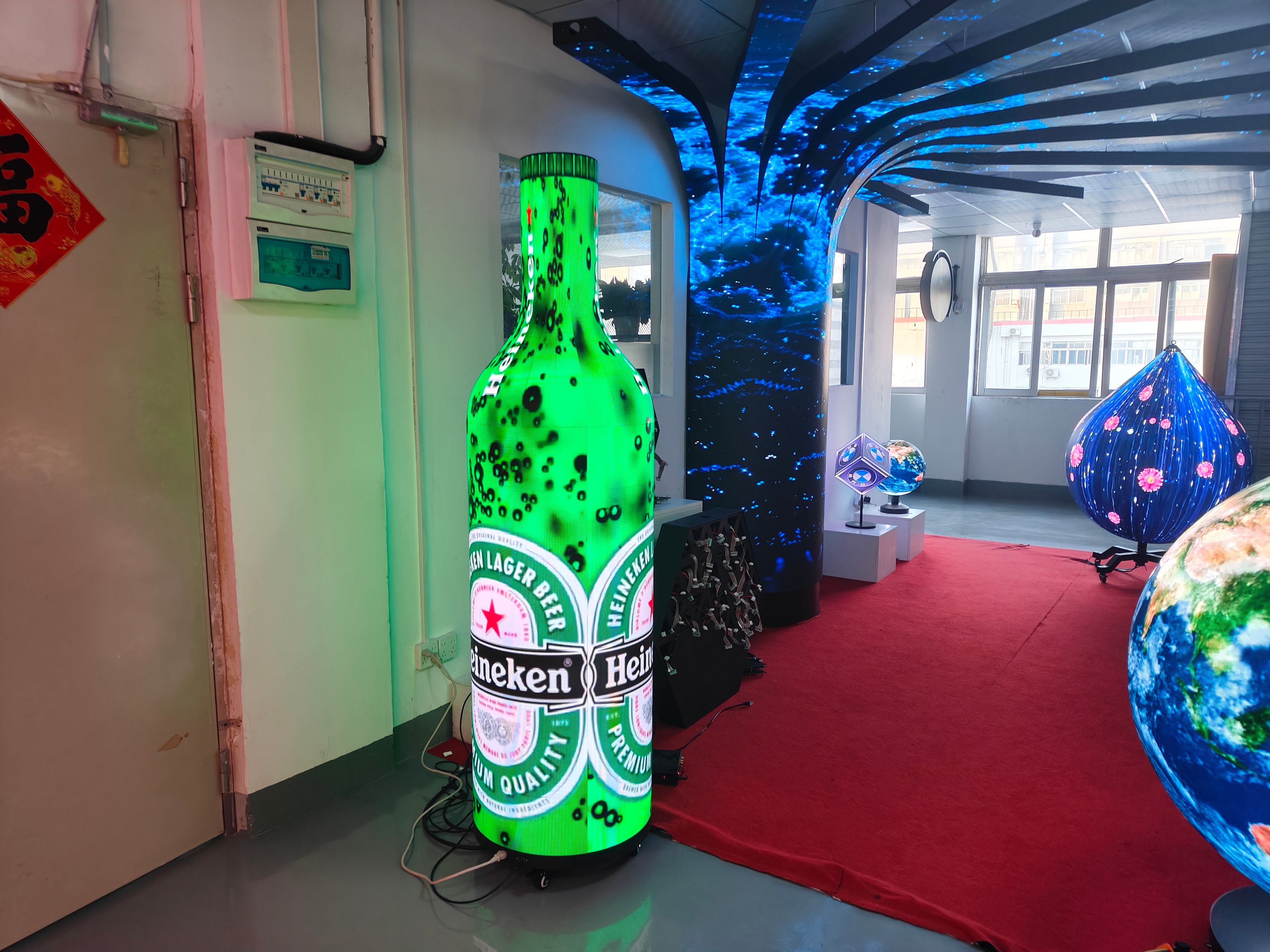
Da LED-displayteknologi bliver mere udbredt i kommerciel reklame, immersive rum, detailhandelsmiljøer, kulturelle attraktioner og smart arkitektur, bliver energieffektivitet og miljømæssig bæredygtighed stadig vigtigere. Dette gælder især for tilpassede LED-skærme , hvor komplekse konstruktioner og lange driftstider kan øge den samlede strømforbrug betydeligt.
I forhold til traditionelle flade displays kræver uregelmæssige LED-skærme ofte tilpassede kabinetter, buede konstruktioner, kreative pixel-layouts og specialiserede kølesystemer. Disse faktorer gør energibesparende design endnu mere afgørende.
Hvad krav skal et moderne brugerdefineret LED-display opfylde for at opnå rigtig energieffektivitet og miljøbeskyttelse?
Lysstyrkekontrol er en af de vigtigste energibesparende teknologier i LED-displays.
Udendørs vejr, omgivende belysning og installationsmiljøer ændrer sig konstant gennem døgnet. Hvis en LED-skærm opretholder maksimal lysstyrke til alle tider, spilder den betydelige mængder elektricitet og forkorter samtidig levetiden for LED-lyskilderne.
Moderne energieffektive brugerdefinerede LED-skærme anvender:
Mange avancerede systemer understøtter justering af lysstyrke i 256 niveauer , hvilket giver skærmen mulighed for automatisk at optimere outputtet i henhold til miljøforholdene.
For kreative buede LED-displaye og indlevelsevækkende installationer er intelligent justering af lysstyrke særligt vigtig, da uregelmæssige overflader interagerer forskelligt med omgivende lys.
Miljøvenlige LED-displaye handler ikke kun om at reducere elforbruget. Materialvalg spiller også en betydelig rolle.
Højtkvalificerede specialiserede LED-producenter bruger i stigende grad:
Samtidig kan avancerede beskyttelsesteknologier forbedre holdbarheden uden overdrevene kemiske forseglingsteknikker.
Nogle innovative LED-moduler bruger specialiserede overfladebehandlinger og præcisionskonstruktion til at opnå:
uden at kræve overdreven limindkapsling.
Denne fremgangsmåde forbedrer bæredygtigheden og forenkler samtidig fremtidig vedligeholdelse og genbrug.
Varme er en af de største faktorer, der påvirker både energiforbruget og displayets levetid.
Brugerdefinerede LED-displays genererer ofte betydelig varme på grund af:
Uden korrekt termisk styring kan systemet opleve:
Avancerede tilpassede LED-display bruger højeffektive konvektionskølesystemer til at opretholde termisk stabilitet.
Disse systemer kan omfatte:
Aluminium er især værdifuldt på grund af dets fremragende termiske ledningsevne, hvilket hjælper med at fordele varmen mere jævnt over displaystrukturen.
Effektiv varmeafledning forbedrer ikke kun pålideligheden, men reducerer også den energi, der kræves til køling og systemstabilisering.
LED-driver-systemet påvirker direkte energieffektiviteten, billedstabiliteten og driftsstøjen.
Moderne energibesparende LED-skærme bruger typisk:
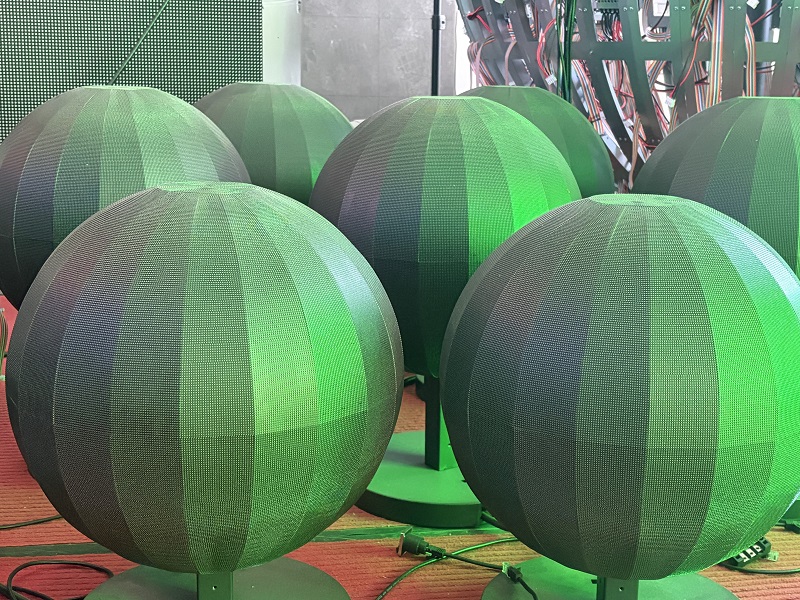
Konstantstrømsdrift sikrer følgende:
Samtidig minimerer støjminimeret design forstyrrelser fra strømforsyningssystemer og eksterne elektriske kilder.
Dette er især vigtigt for:
hvor billedstabilitet og visuel konsistens er afgørende.
Kabinetstrukturen selv spiller en stor rolle for energieffektiviteten.
Veludformede tilpassede LED-kabinetter bør prioritere:
Dårlig konstruktionsmæssig udformning kan øge:
Moderne uregelmæssige LED-skærme bruger i stigende grad lette aluminiumslegeringskabinetter for at reducere både strukturel belastning og varmeopbygning.
Avancerede LED-displaye indeholder nu intelligente energistyringsteknologier.
Disse systemer kan automatisk:
Nogle high-end-systemer understøtter også fjernovervågningsplatforme, der giver ingeniører mulighed for at analysere:
Dette hjælper med at forhindre energispild, mens det samtidig forbedrer langtidspålideligheden.
En virkelig miljøvenlig LED-display er ikke blot én, der forbruger mindre elektricitet.
Det er også et display, der holder længere og kræver færre udskiftninger.
LED-systemer af dårlig kvalitet kan udvikle:
efter relativt korte driftsperioder.
Hyppige udskiftninger øger:
Højtkvalitets brugerdefinerede LED-displaye reducerer miljøpåvirkningen gennem:
Kreative LED-displaye fungerer ofte i krævende miljøer, såsom:
Da disse installationer normalt er større og mere komplekse end almindelige skærme, har energibesparende teknologier en endnu større indvirkning på driftsomkostningerne og den miljømæssige bæredygtighed.
I takt med at globale bæredygtighedsstandarder fortsat udvikler sig, bliver energieffektiv LED-teknik en væsentlig konkurrencemæssig fordel for producenter og systemintegratorer.
En energieffektiv og miljøvenlig tilpasset LED-skærm kræver langt mere end blot lav efforbrug.
Et virkelig bæredygtigt LED-display-system bør kombinere:
For moderne uregelmæssige LED-displays er bæredygtighed ikke længere valgfrit. Det er blevet en integreret del af højtkvalitetsteknik og langsigtet kommerciel værdi.
 Seneste nyheder
2026-10-20
2026-10-19
2026-10-17
Copyright © 2025 by Shenzhen Ai Display Technology Co., Ltd - Privatlivspolitik
 EN
EN