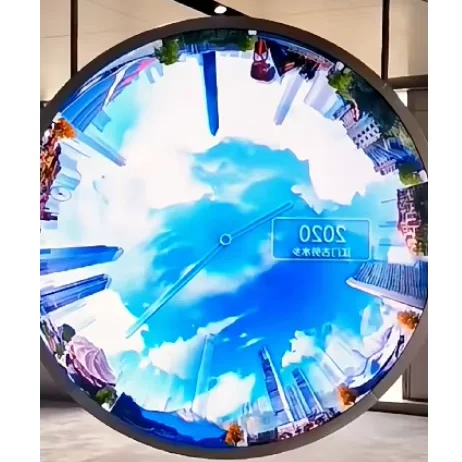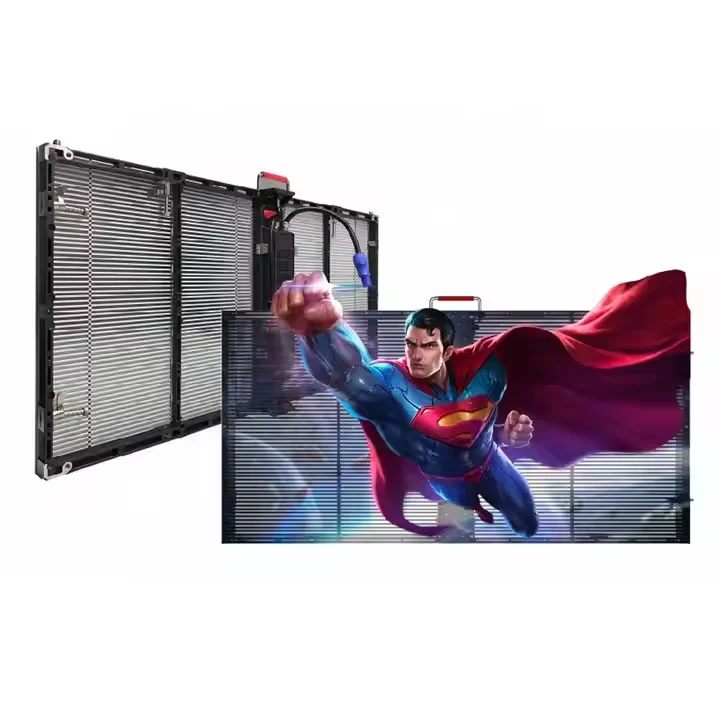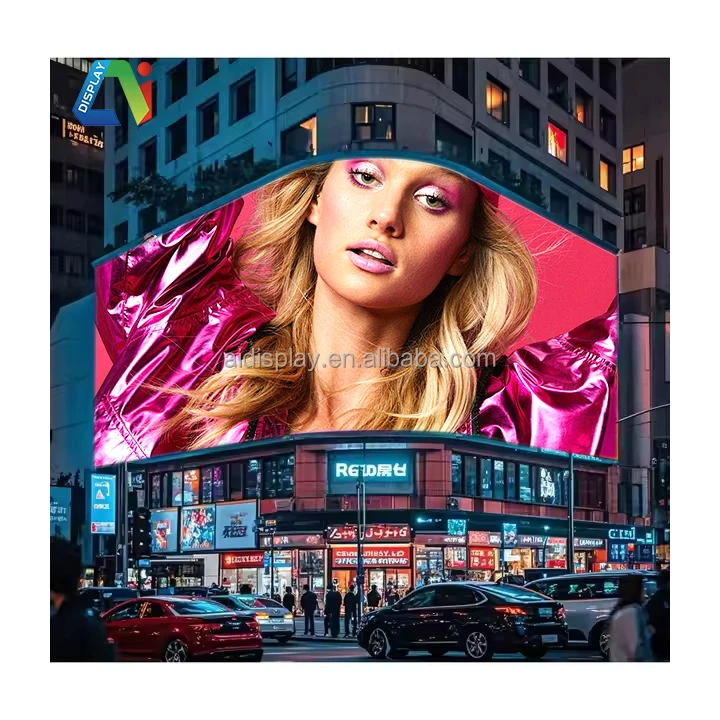
А світлодіодний дисплей у формі дерева —часто називають «цифровим деревом» або «розумним деревом»—це високотворча, скульптурна LED-інсталяція, яка виходить за межі традиційних плоских екранів. Замість звичного прямокутного формату дизайнери використовують гнучкі LED-модулі та модульну інженерію для створення дисплеїв, що нагадують дерева, розширені роги чи органічні гіллясті структури. Результат — візуально вражаючий центральний елемент, що поєднує світло, рух і іммерсивний цифровий контент.
На відміну від звичайних LED-панелей, дисплеї у формі дерева активно перетворюють простір . Вони не просто демонструють контент — вони стають частиною навколишнього середовища . Завдяки своїй тривимірній формі та динамічним візуальним ефектам вони природно привертають увагу й заохочують до взаємодії.
Крім того, брендами та дизайнерами ці дисплеї все частіше обираються через те, що вони:
Роздрібні середовища значно виграють від привабливих інсталяцій. Торгові центри, атриуми та холи готелів часто використовують світлодіодні дисплеї у формі дерева як центральні візуальні опорні точки . Такі конструкції привертають пішохідний рух, збільшують час перебування в приміщенні та посилюють сприйняття бренду.
Музеї, наукові центри та корпоративні демонстраційні зали покладаються на такі дисплеї для того, щоб розповідати історії більш захоплюючим способом . Замість статичних панелей світлодіодна конструкція у формі дерева може подавати багаторівневий контент, інтерактивні візуальні елементи та тематичні наративи, які відвідувачі запам’ятовують.
Дизайнери заходів часто інтегрують світлодіодні екрани у формі дерева в сценічні композиції. Ці дисплеї бездоганно поєднуються з системами освітлення та звуку, сприяючи посилити атмосферу та емоційний вплив під час концертів, театральних вистав та живих шоу.
У тематичних парках та туристичних місцях світлодіодні інсталяції у формі дерева часто стають іконічними орієнтирами . Вони можуть функціонувати як інтерактивні інсталяції, нічні світлові шоу або цифрові скульптури, що підвищують загальний рівень вражень відвідувачів.
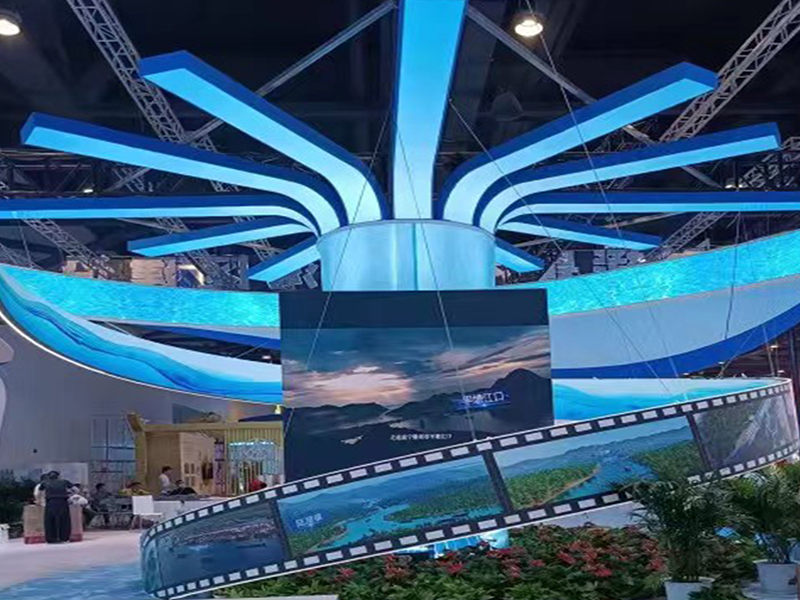
В основі кожного дисплею у формі дерева лежить гнучка LED-технологія . Виробники використовують гнучкі друковані плати (PCB) у поєднанні з силіконовими корпусами, що дозволяє екрану адаптуватися до складних кривих та неправильних геометричних форм, таких як крони дерев або розширені конструкції.
Інженери збирають дисплей за допомогою модульні одиниці , що спрощує транспортування, монтаж та технічне обслуговування. Такий підхід також дає конструкторам змогу налаштовувати розмір, форму та роздільну здатність залежно від вимог проекту.
Неправильні форми вимагають складних піксельного картографування та адаптації контенту . Системи керування мають точно вирівнювати візуальні елементи з геометрією конструкції, щоб забезпечити плавне відтворення та цілісне зображення на нелінійних поверхнях.
Міцний внутрішній сталевий каркас або несуча конструкція забезпечують стабільність і безпеку. Це особливо важливо для зовнішніх установок або публічних зон з великим пішохідним рухом, де надійність і несуча здатність є обов’язковими.
Стандартний відеоконтент погано працює на нетрадиційних дисплеях. Дизайнери повинні створювати адаптований візуальний контент який відповідає унікальним контурам екрана, щоб максимально посилити візуальний вплив та іммерсію.
LED-дисплеї у формі дерева мають кілька переконливих переваг:
Світлодіодні дисплеї у формі дерева переосмислюють спосіб взаємодії цифрового контенту з фізичним простором. Замість того щоб залишатися обмеженими плоскими поверхнями, вони поширюються на архітектуру, мистецтво та розповідь історій. У міру зростання попиту на іммерсивні середовища ці дисплеї й надалі відіграватимуть центральну роль у комерційному дизайні, експерієнційному маркетингу та інсталяціях цифрового мистецтва .
Якщо ви хочете створити справді незабутній візуальний досвід, світлодіодний дисплей у формі дерева пропонує як технічної гнучкості та творча свобода можливості для його реалізації.
 Гарячі новини
2026-10-20
2026-10-19
2026-10-17
Copyright © 2025 by Shenzhen Ai Display Technology Co., Ltd - ПОЛІТИКА КОНФІДЕНЦІЙНОСТІ
 EN
EN