Traditional rectangular LED screens have long dominated the digital display industry, but businesses and designers increasingly seek more creative solutions to capture attention. As a result, custom-shaped LED displays have become a popular choice for retail spaces, exhibitions, entertainment venues, and architectural projects.
Unlike standard LED screens, irregular LED displays break free from conventional designs and transform digital content into immersive visual experiences. Thanks to flexible materials and advanced manufacturing technologies, these displays can take almost any shape while maintaining excellent image quality.
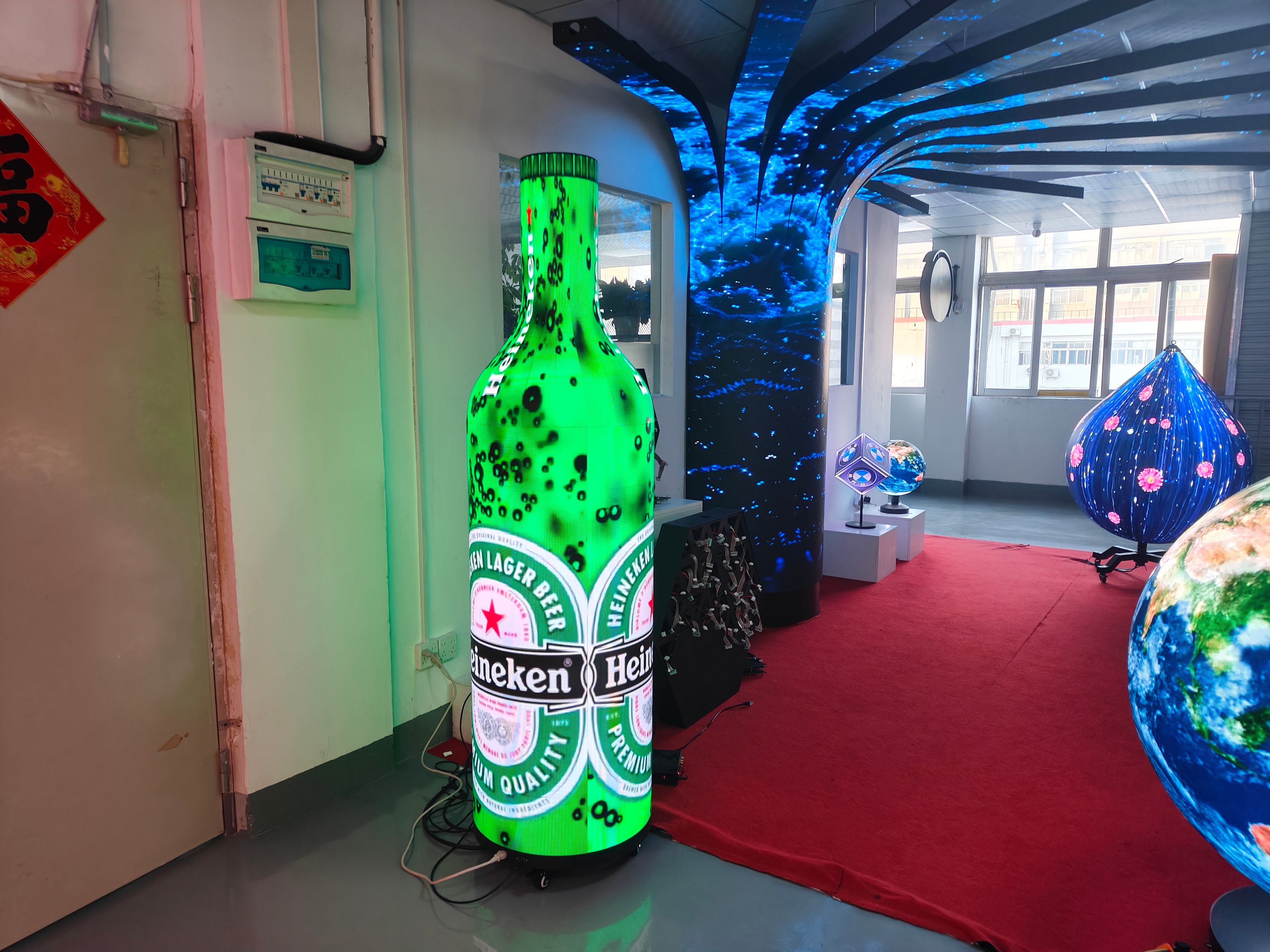
A custom-shaped LED display is any LED screen that departs from the traditional rectangular format. By using flexible LED modules and specially engineered structures, manufacturers can create displays in a wide variety of forms, including:
Because flexible modules can bend and adapt to different geometries, designers can create displays that perfectly match a project's architectural or branding requirements.
One of the greatest advantages of irregular LED displays is their versatility. Their modular construction allows them to fit into environments where traditional flat screens cannot.
Cylindrical LED displays wrapped around structural columns provide uninterrupted 360-degree visibility while maximizing unused architectural space. Retailers often use these installations to showcase advertisements, promotional campaigns, and creative brand storytelling.
Ribbon-shaped or flowing LED displays can visually represent timelines, historical journeys, or scientific concepts. Their unique forms enhance storytelling and make educational content more engaging for visitors.
Foldable, conical, and other portable custom-shaped LED displays enable exhibitors to build memorable booths quickly. These creative installations help brands stand out while reducing dependence on expensive permanent structures.
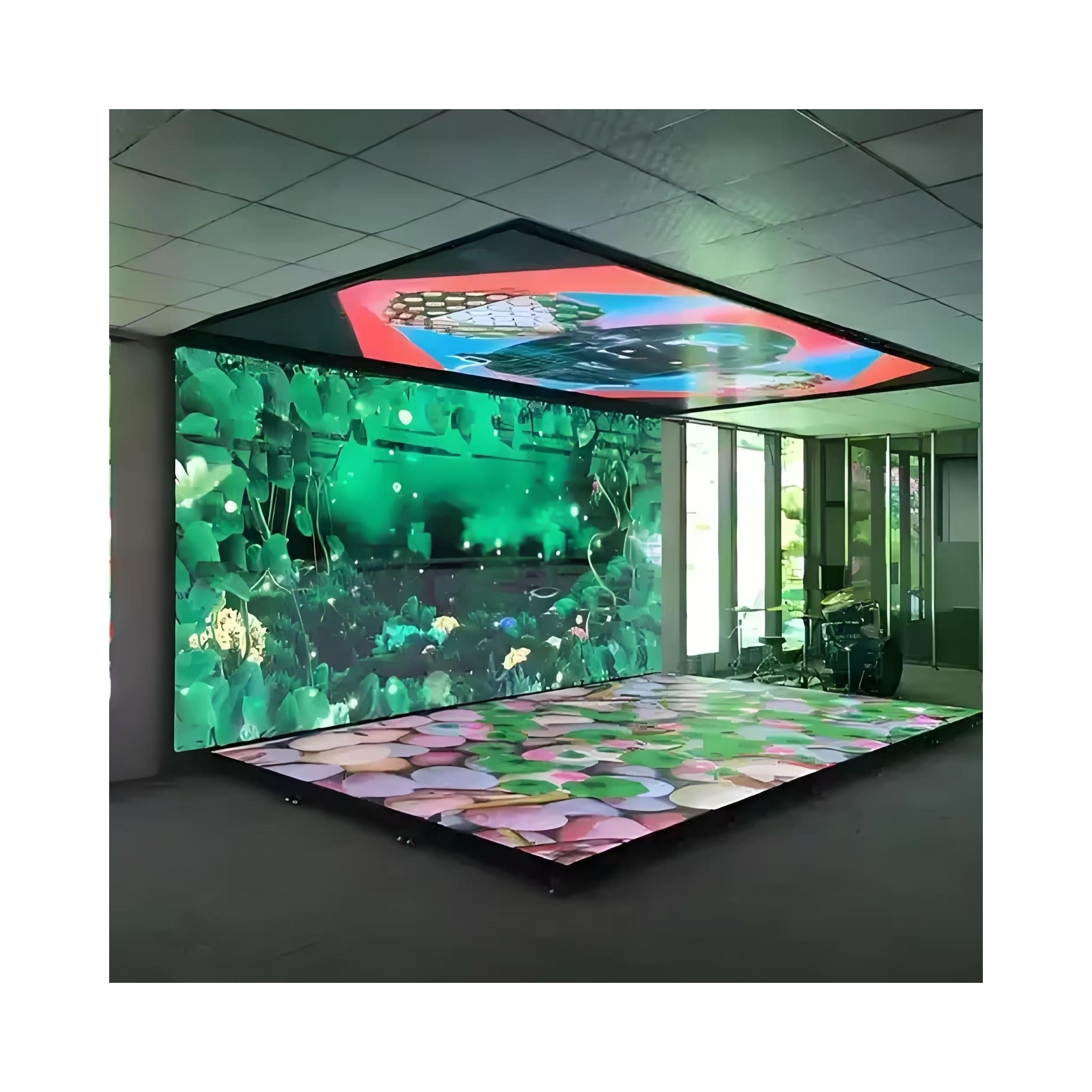
Flexible curved screens, stepped LED walls, and 360-degree circular displays allow stage designers to transform performance spaces dynamically. Combined with synchronized lighting and visual effects, these installations create immersive experiences that evolve throughout the show.
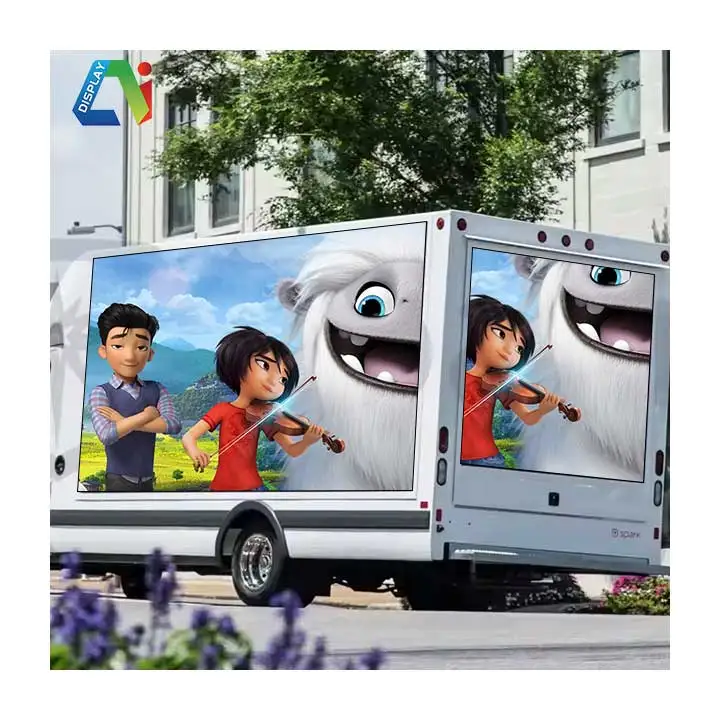
Curved displays integrated into counters or polygonal LED installations surrounding gaming stations enhance the atmosphere by presenting live broadcasts, interactive graphics, and synchronized visual effects that elevate customer engagement.
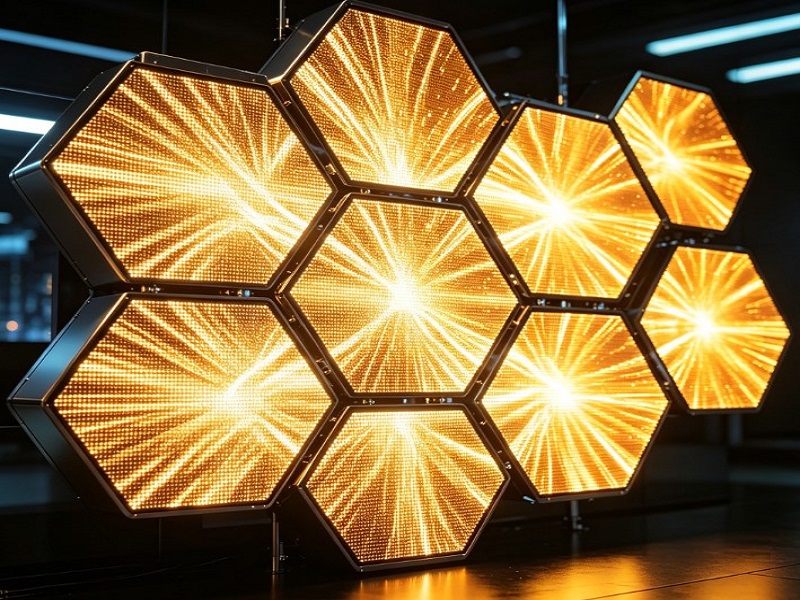
Modern custom-shaped LED displays achieve remarkable versatility through a combination of advanced materials and precision engineering.
The foundation of most irregular displays is the flexible printed circuit board (PCB). Manufacturers often use polyimide (PI)-based materials that tolerate significant bending without cracking or losing reliability.
For transparent LED applications, some designs incorporate ultra-thin glass substrates that balance flexibility with high light transmission.
Specialized silicone or polyurethane encapsulation materials allow LED packages to bend together with the substrate while maintaining stable brightness, color performance, and viewing angles.
Instead of relying on rigid circuit boards, many flexible displays integrate driver ICs into flexible film circuits. This design minimizes the risk of electrical failure during bending while supporting modular expansion for displays of various sizes.
Flexible LED modules require dedicated support systems to achieve specific shapes.
Advanced fabrication techniques enable manufacturers to cut flexible substrates and protective covers into virtually any outline, including circles, triangles, and highly complex artistic shapes. High-precision machining ensures each component aligns accurately with the overall design, supporting seamless assembly and customized installations.
Outdoor installations must withstand rain, heat, sunlight, dust, and changing weather conditions while maintaining reliable performance.
Manufacturers typically design outdoor custom-shaped displays to meet IP66 or higher protection standards. Die-cast aluminum housings, butyl sealing materials, and silicone sealants help block moisture and dust from entering the enclosure.
For flexible curved displays, additional waterproof liners at bending points help protect seals from stress caused by repeated flexing.
Protective exterior coatings improve resistance to ultraviolet radiation, temperature fluctuations, and environmental aging, helping preserve both appearance and performance over extended periods.
Critical locations such as sphere joints, curved side connections, hollow decorative openings, and transparent display edges often receive additional protection through stainless steel waterproof strips, flexible sealing components, or impact-resistant protective materials.
Transparent displays may also incorporate strengthened glass panels to improve durability while maintaining high optical clarity.
Businesses increasingly choose irregular LED screens because they offer several significant benefits:
Custom-shaped LED displays combine creativity with cutting-edge display technology to deliver experiences that standard rectangular screens cannot match. Whether installed in shopping malls, museums, theaters, exhibitions, entertainment venues, or outdoor public spaces, these innovative displays adapt to unique environments while helping brands create memorable visual identities.
With flexible modules, precision manufacturing, customized support structures, and durable weather-resistant engineering, irregular LED displays provide an effective solution for organizations that want to transform ordinary spaces into extraordinary digital experiences.
 Hot News
Copyright © 2025 by Shenzhen Ai Display Technology Co., Ltd - Privacy policy
 EN
EN