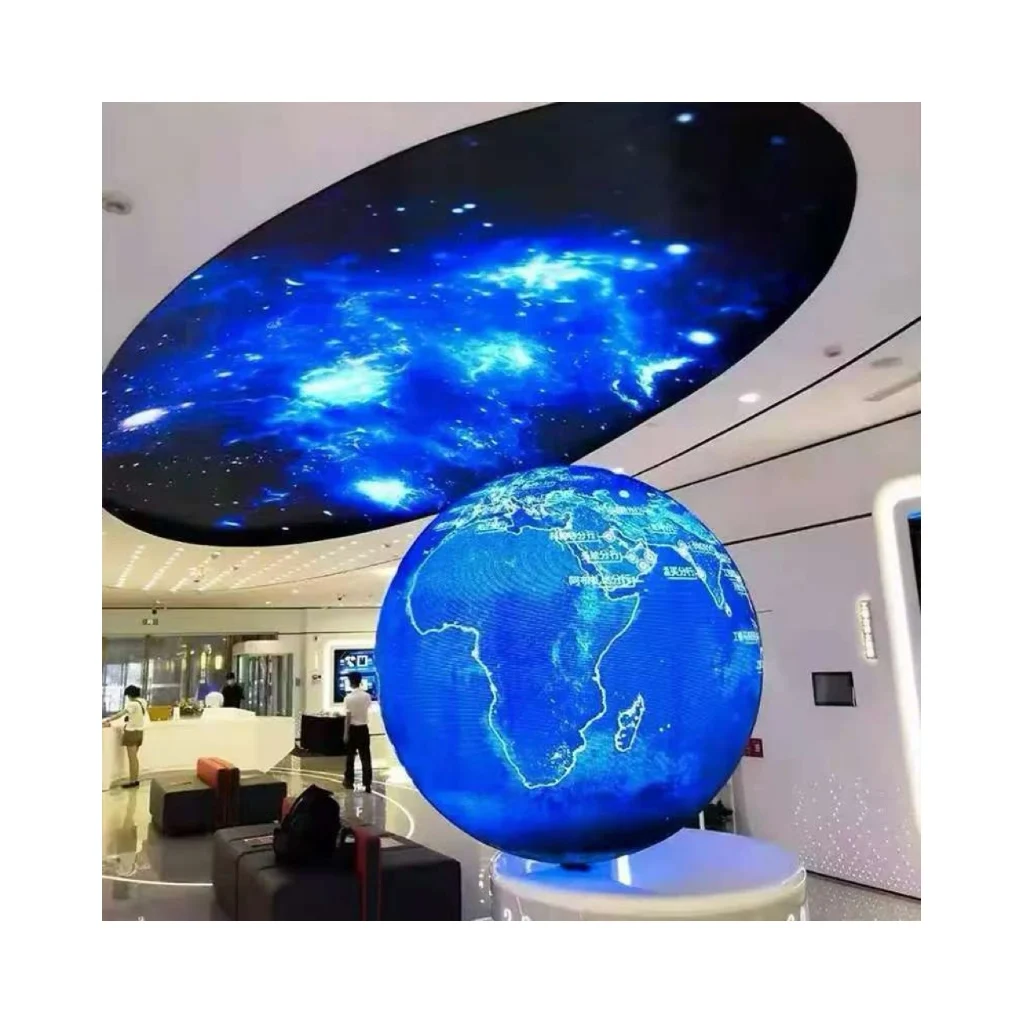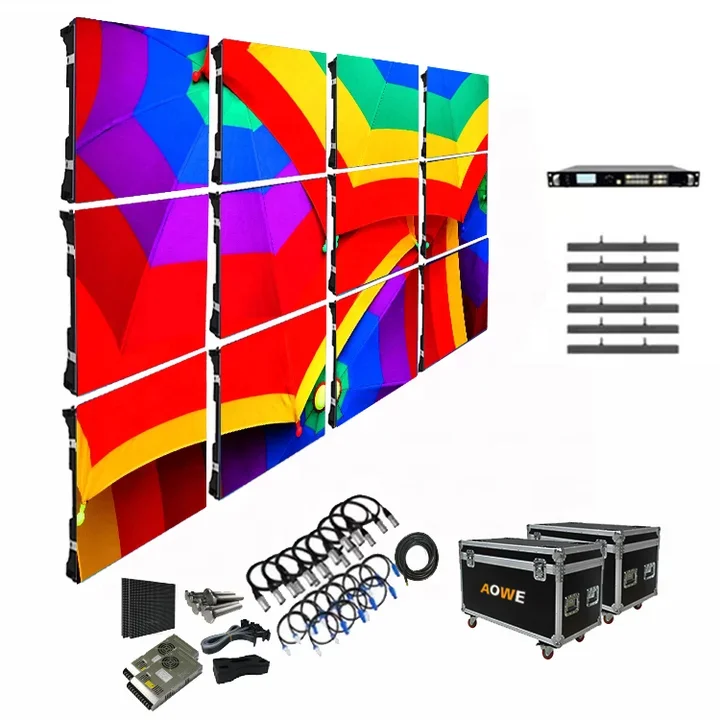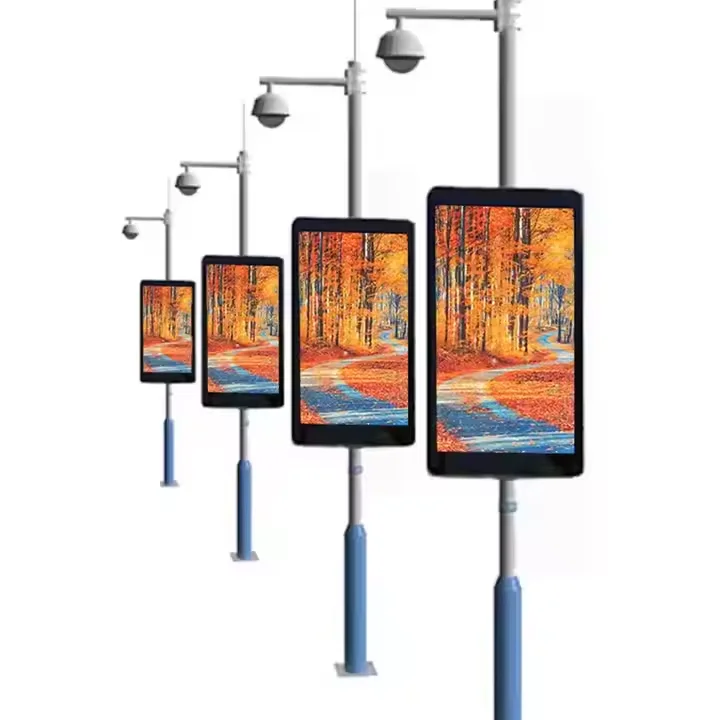
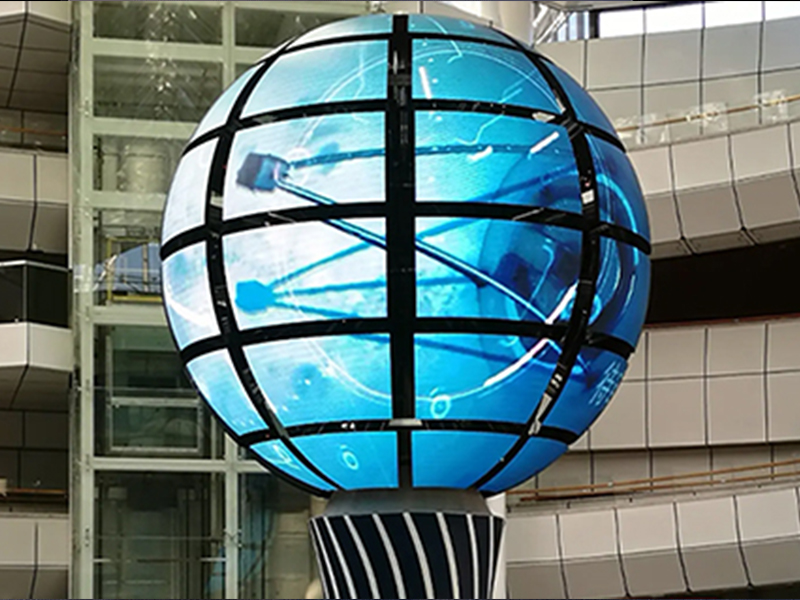
Have you ever seen an LED display that moves forward and backward, rotates, opens like a pair of doors, or transforms into flowing wave patterns? If so, you were likely looking at a mechanical LED screen.
Unlike conventional LED displays that remain fixed in place, mechanical LED screens combine digital content with physical motion. As a result, they create eye-catching visual experiences that attract attention far more effectively than traditional static displays.
Because of their unique ability to blend engineering and visual storytelling, mechanical LED screens have become increasingly popular in commercial spaces, exhibitions, entertainment venues, and brand experience centers.
A mechanical LED screen is an LED display integrated with a motorized mechanical system that allows the screen or its individual modules to move in programmed ways.
Depending on the design, the display may:
For this reason, mechanical LED screens are also commonly referred to as:
Today, one of the most popular solutions on the market is the telescopic mechanical LED screen, which consists of hundreds of independently controlled LED modules arranged in a matrix. Each module can extend or retract horizontally or vertically, allowing the entire display to create dynamic three-dimensional visual effects.
The working principle of a mechanical LED screen differs significantly from that of a standard LED display.
A conventional LED screen creates visual effects solely through changes in image content. The screen itself remains physically stationary.
A mechanical LED screen, however, generates visual impact through both:
The system uses motors, guide rails, actuators, and intelligent control software to change the position or angle of LED modules in real time.
As the modules move, the display transforms its physical shape while simultaneously presenting synchronized visual content.
Consequently, audiences experience a combination of motion, depth, light, and animation that traditional LED screens cannot achieve.
This fusion of digital media and kinetic sculpture creates a powerful visual attraction, making mechanical LED screens ideal for locations where capturing attention is a priority.
 Hot News
2026-09-17
2026-09-16
2026-09-15
Copyright © 2025 by Shenzhen Ai Display Technology Co., Ltd - Privacy policy
 EN
EN