In today's competitive commercial environment, attracting visitors requires more than simply displaying information.
Mechanical LED screens stand out because they:
Furthermore, the movement itself becomes part of the content. Rather than simply watching a video, viewers witness a physical transformation happening in front of them.
This added dimension often turns the display into a landmark attraction or photo opportunity.
Many shopping malls, commercial complexes, and skyscrapers use mechanical LED screens as exterior media facades.
Large kinetic display elements can flip, rotate, or move in coordinated patterns to form graphics, logos, and messages visible from long distances.
During the day, some mechanical displays utilize reflective surfaces to maximize visibility under sunlight while reducing energy consumption. At night, LED illumination provides vibrant 24-hour advertising capabilities.
Mechanical LED billboards installed in city squares, transportation hubs, and commercial districts attract attention through movement rather than relying solely on brightness.
Because the content physically transforms, viewers naturally focus on the display, making advertising messages more memorable.
Football stadiums, basketball arenas, and other sports venues use dynamic advertising systems around the field or court.
Mechanical display technology allows synchronized content switching across large areas while maintaining excellent visibility for spectators from multiple viewing angles.
In outdoor sports environments with strong sunlight, mechanical flip-style displays remain highly reliable and easy to read.
Unlike some electronic displays, they maintain excellent visibility even under direct sunlight.
Event organizers can program wave motions, ripple effects, or synchronized mechanical sequences that respond to key moments during a game.
As a result, spectators enjoy a more immersive and exciting live experience.
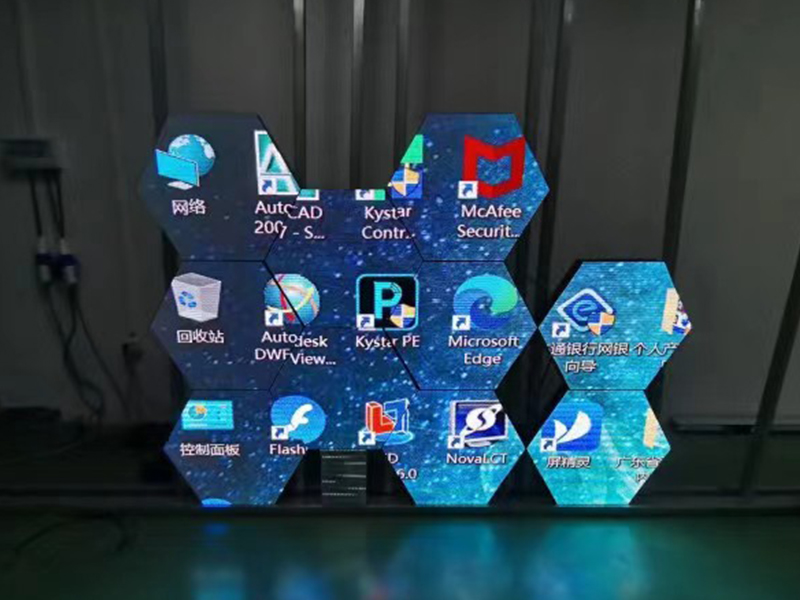
Museums and science centers increasingly use mechanical LED screens to create interactive educational experiences.
Visitors can interact through movement, sound, or touch, while the display responds with both digital content and physical motion.
This combination helps transform abstract information into engaging, hands-on experiences.
Many artists use mechanical LED technology as a creative medium.
By controlling thousands of moving elements, they can create constantly evolving sculptures that explore themes such as motion, time, technology, and human perception.
The result is a unique blend of engineering and artistic expression.
Luxury brands and technology companies frequently install mechanical LED screens in flagship stores and showrooms.
Every movement becomes part of a carefully choreographed presentation, reinforcing the brand's image of innovation, precision, and premium quality.
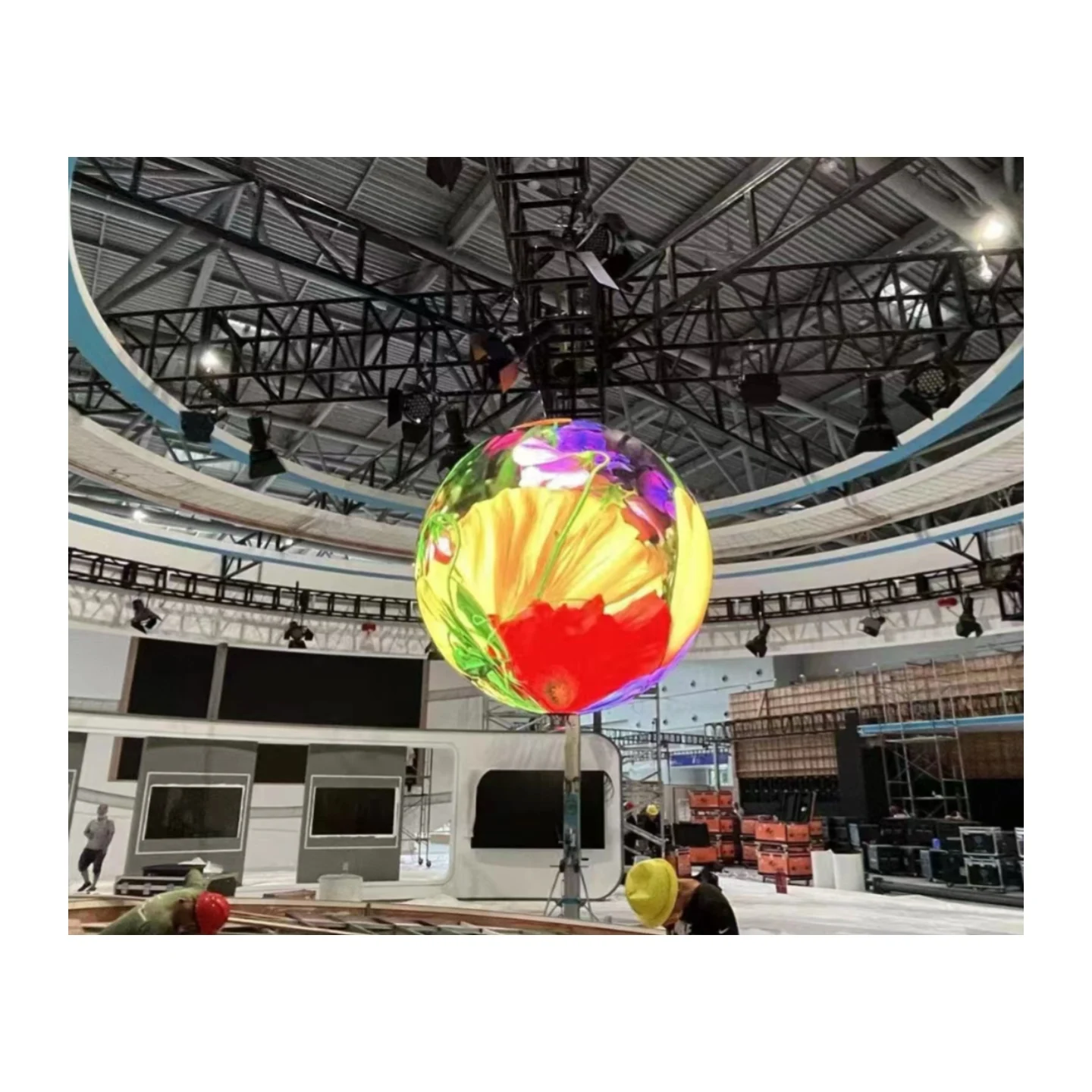
Mechanical LED screens have become a centerpiece of modern stage design.
When synchronized with music, lighting, and special effects, they can:
Consequently, stage designers can create unforgettable visual moments that traditional LED backdrops cannot replicate.
TV productions often use mechanical LED screens to enhance visual storytelling.
The dynamic movement adds depth, sophistication, and futuristic aesthetics to broadcast environments, making programs more visually engaging for audiences.
Compared with traditional LED displays, mechanical LED screens offer several unique advantages:
Most importantly, they transform a display from a passive communication tool into an active experience that audiences remember long after the event ends.
Mechanical LED screens represent the next evolution of digital display technology. By combining high-resolution LED visuals with precisely controlled physical movement, they deliver immersive experiences that conventional LED screens simply cannot match.
Whether installed on a building facade, inside a museum, at a trade show, or as the centerpiece of a concert stage, a mechanical LED screen creates powerful visual storytelling and attracts attention from every angle.
For brands, venues, and event organizers looking to increase foot traffic, generate buzz, and create unforgettable experiences, mechanical LED screens offer a compelling and highly effective solution.
 Hot News
2026-09-17
2026-09-16
2026-09-15
Copyright © 2025 by Shenzhen Ai Display Technology Co., Ltd - Privacy policy
 EN
EN