LED displays have become a core part of modern advertising, information sharing, and digital decoration because they deliver vivid visuals and flexible installation options. However, product quality varies widely across the market. To choose a reliable screen, buyers should focus on several key performance indicators.
Pixel defects directly affect image quality, so they remain one of the most important evaluation standards. These defects usually include dead pixels and constantly lit pixels.
For fine-pitch LED displays, industry standards require extremely low failure rates. In most cases, manufacturers should keep the pixel failure rate below 1×10⁻⁵. During the warranty period, technicians can use professional testing equipment to inspect the display and confirm that the screen maintains clear and complete images.
Protection level determines how well an LED display resists water and dust. Generally, a higher IP rating means stronger protection.
For example, indoor LED displays can reach IP45 protection, while outdoor models may achieve IP65 protection. These ratings help the screen withstand rain, wind, dust, and other environmental challenges.
At the same time, electrical safety also matters. A high-quality LED display should maintain leakage current below 3.5mA under 1.1 times the rated voltage. In addition, the insulation system should withstand 1500V for one minute without electrical breakdown. These safety standards reduce operational risks and improve long-term stability.
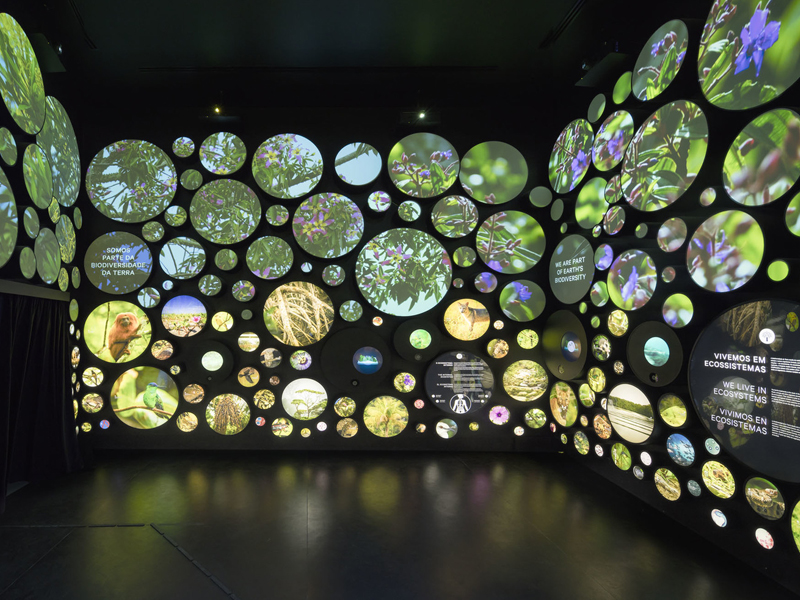
Energy efficiency plays a major role in operating costs, especially for large commercial displays that run for long hours every day.
Manufacturers can lower power consumption by using:
In addition, high-quality switching power supplies should maintain a power factor correction (PFC) above 0.95 and conversion efficiency above 0.85. As a result, the system uses electricity more efficiently and generates less wasted energy.
Reliability ultimately defines the overall quality of an LED display. Strong reliability starts with premium materials and continues through every stage of product design.
Manufacturers improve reliability through:
Furthermore, professional reliability testing helps verify long-term performance. Life-cycle tests, aging tests, and certification procedures can reveal potential issues before products reach the market. Consequently, reliable LED displays offer longer service life, lower maintenance costs, and more stable operation.
When evaluating an LED display, buyers should look beyond brightness and resolution alone. Pixel quality, protection level, safety standards, energy efficiency, and long-term reliability all play critical roles in overall performance.
By carefully comparing these factors, businesses and consumers can choose LED displays that deliver stronger performance, lower operating costs, and longer-lasting value. Whether used for advertising, public information, or interior decoration, a high-quality LED display provides stable and dependable visual performance for years.
 Hot News
2026-10-21
2026-10-20
2026-10-19
Copyright © 2025 by Shenzhen Ai Display Technology Co., Ltd - Privacy policy
 EN
EN