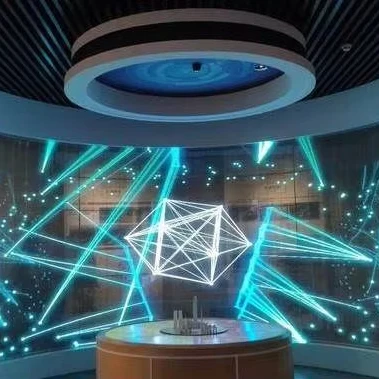
Stage LED displays are widely used in theaters, concert halls, conference rooms, and performance venues. They create impressive visual effects and help audiences follow the content on stage.
However, installing LED screens on acoustic walls can create problems. These walls are designed to absorb sound and reduce unwanted echoes. If LED panels cover too much of the surface, the room may lose part of its sound treatment.
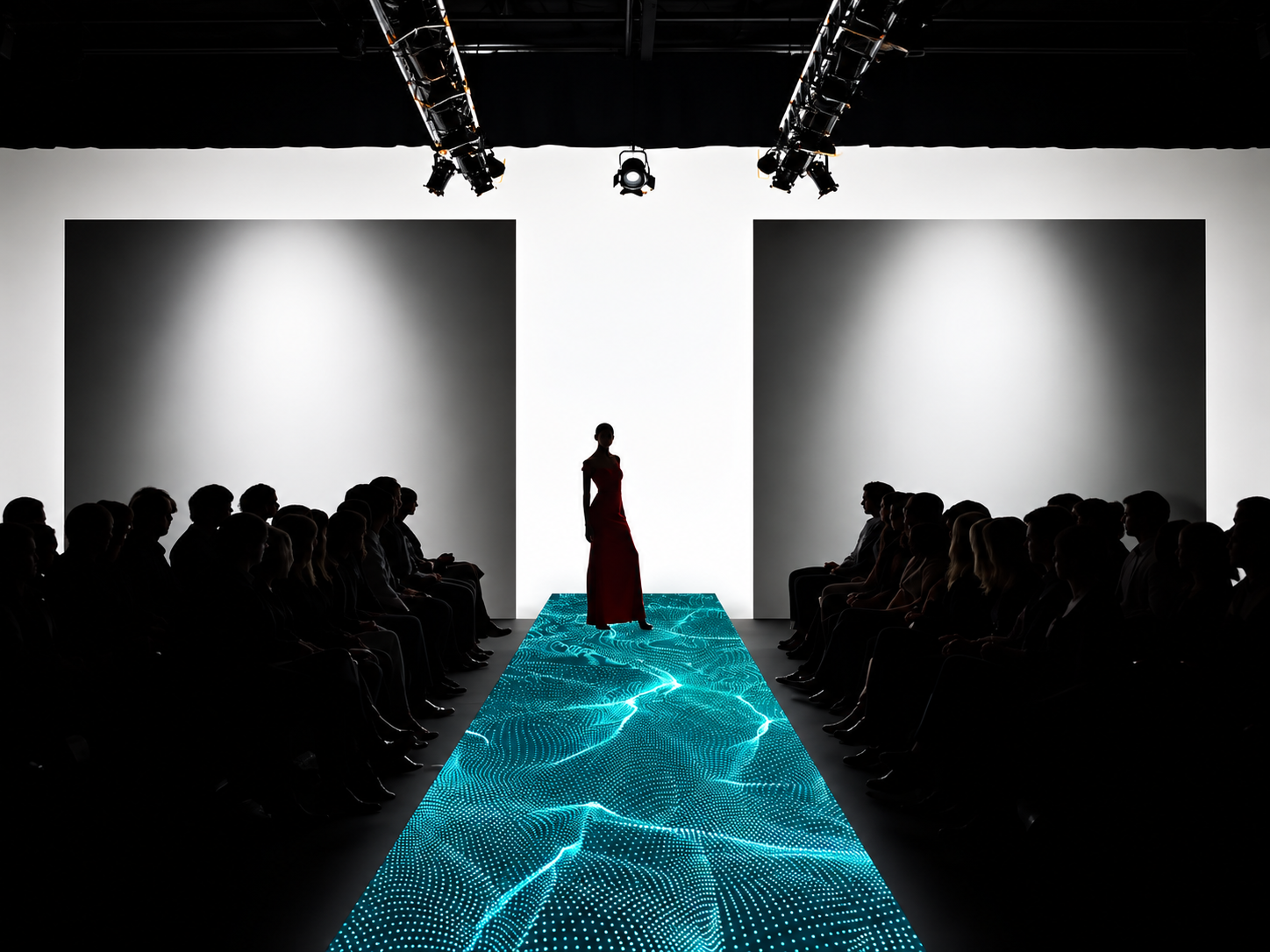
The key is to plan the LED display and acoustic wall system together. With the right layout, mounting structure, and testing, both systems can work effectively.
Acoustic walls usually contain materials such as mineral wool, acoustic foam, or perforated panels. These materials help absorb sound waves and reduce reflections.
Most standard LED display cabinets have solid backs and hard surfaces. When installed directly over acoustic panels, they can block sound from reaching the absorbing materials.
This may cause several problems:
More sound reflections around the stage
Reduced speech clarity during presentations
Stronger echoes in large performance spaces
Uneven sound quality across audience seating areas
The impact depends on the screen size, wall design, and acoustic requirements. A small LED display may cause little change, while a large video wall can significantly affect the room.
One common mistake is treating the LED display as a separate decoration rather than part of the building design.
For example, installers may fix LED cabinets directly onto an acoustic wall without checking what is behind it. This can cover sound-absorbing sections and create unnecessary pressure on the wall panels.
Another issue is leaving insufficient space for ventilation, cables, and maintenance. Poorly arranged mounting frames can also create vibration or noise during operation.
These problems are easier to prevent during the design stage than after installation.
Before choosing the screen position, ask the acoustic designer to identify which wall sections provide the most important sound absorption.
Place LED displays on areas where acoustic treatment is less critical whenever possible.
Instead of covering the entire wall with LED panels, consider a central display with acoustic panels remaining visible on both sides.
An independent steel or aluminum support structure can hold the LED display without placing its full weight on the acoustic wall.
The frame should connect to approved structural supports rather than relying on soft acoustic panels.
This also creates room for cable routing, ventilation, and maintenance access.
A suitable gap between the LED cabinets and surrounding wall materials helps support ventilation and installation work.
However, an air gap alone does not make a solid LED cabinet acoustically transparent. Sound absorption behind the covered area may still be reduced.
The required clearance should follow the LED manufacturer's instructions and the acoustic design.
For venues with strict acoustic requirements, several smaller LED screens may be better than one large video wall.
This arrangement leaves more acoustic treatment exposed while still providing clear visual content.
Testing is important because every venue has different sound conditions.
Start by measuring the room's acoustic performance before the LED installation. Record the reverberation time, speech clarity, and sound levels at different seating positions.
After installation, repeat the measurements under similar conditions.
Pay particular attention to:
Changes in reverberation time
Speech intelligibility in audience areas
Unwanted reflections near the stage
Cabinet vibration and cooling noise
If significant differences appear, the acoustic consultant may recommend adjusting the screen position or adding sound-absorbing materials elsewhere.
Choosing the right equipment makes integration easier.
Indoor fixed LED displays are suitable for permanent installations in theaters and conference halls. Their mounting systems can be planned together with the wall structure.
Rental LED displays are useful for temporary stage events because they allow flexible installation and removal.
Other important components include mounting frames, cable management accessories, ventilation arrangements, and maintenance access systems.
For a permanent installation, front-service LED cabinets may be useful where rear access is limited. Always check the actual product specifications before choosing the cabinet.
Consider a conference hall with acoustic panels covering the stage background.
The venue needs a large LED screen for presentations but wants to maintain clear speech throughout the room.
A practical solution is to install a central indoor LED display on an independent supporting frame. Acoustic panels remain exposed along both sides of the screen.
Before installation, the acoustic consultant checks the proposed screen coverage. After installation, the team measures speech clarity and reverberation again.
This example shows how careful planning can balance visual requirements with sound treatment.
Can LED screens be mounted directly onto acoustic panels?
Generally, this is not recommended unless the wall structure has been specifically designed to support the display.
Do transparent LED screens solve acoustic problems?
Not necessarily. Visual transparency does not guarantee acoustic transparency. The complete screen structure must be evaluated.
Can acoustic materials be installed behind LED cabinets?
Yes, but solid cabinets can prevent sound from reaching those materials. Their acoustic benefit must be checked.
Is acoustic testing necessary for every LED installation?
Testing is especially important for theaters, auditoriums, and other venues where sound quality is critical.
Shenzhen Ai Display Technology Co., Ltd. supplies indoor fixed LED screens, rental LED displays, and customized display solutions for different venues.
With its own manufacturing operations and technical team, the company supports product selection, design, installation guidance, and after-sales service.
For projects involving acoustic walls, sharing wall drawings, screen dimensions, and mounting requirements early can help the team recommend a suitable LED display solution.
A successful installation should deliver clear visuals without sacrificing the sound quality that audiences expect.
 Hot News
Copyright © 2025 by Shenzhen Ai Display Technology Co., Ltd - Privacy policy
 EN
EN