A hotel ballroom rarely has only one purpose.
In the morning, it may hold a corporate conference with presentations, charts, and live video. In the evening, the same room may become a banquet hall. On the weekend, it may be used for a wedding, product launch, award ceremony, or large private event.
This creates a special challenge for a customized LED display.
The screen cannot be designed only for one type of content. Its size, position, brightness, structure, control system, and maintenance method must work under very different room layouts.
A successful hotel ballroom LED display should therefore be flexible enough to support every event without forcing the hotel to rebuild the stage each time.
A conference and a banquet use the ballroom differently.
During a conference, guests usually face the stage directly. The LED screen may show PowerPoint slides, company logos, videos, speaker information, and live camera feeds.
For a wedding or banquet, tables may occupy most of the room. Guests may watch the screen from different angles instead of directly from the front.
For performances and product launches, lighting equipment, stage decoration, speakers, and temporary structures may also be added around the LED display.
If the screen is designed only around the first seating plan, later events can face several problems:
guests at side tables cannot see important content;
text looks too small from the back of the ballroom;
stage decorations cover part of the screen;
strong event lighting reduces screen contrast;
the screen becomes too bright during dinner;
temporary equipment blocks front-maintenance access.
This is why ballroom projects should be treated as a complete event-space design rather than a simple LED wall installation.
Before deciding the LED screen dimensions, designers should collect the main floor plans used by the hotel.
For example:
Conference layout: theater-style seating facing the stage.
Banquet layout: round tables distributed across the room.
Wedding layout: central aisle, dining tables, decorative stage, and photography area.
Event layout: open floor, exhibition booths, temporary stage extensions, or performance equipment.
Overlay these layouts and identify the areas where guests will normally sit or stand.
The main customized LED display should remain visible from the largest possible shared viewing zone.
For wider ballrooms, one extremely tall central screen may not be the best solution. A wider LED wall, side screens, curved sections, or several coordinated display surfaces can provide better visibility.
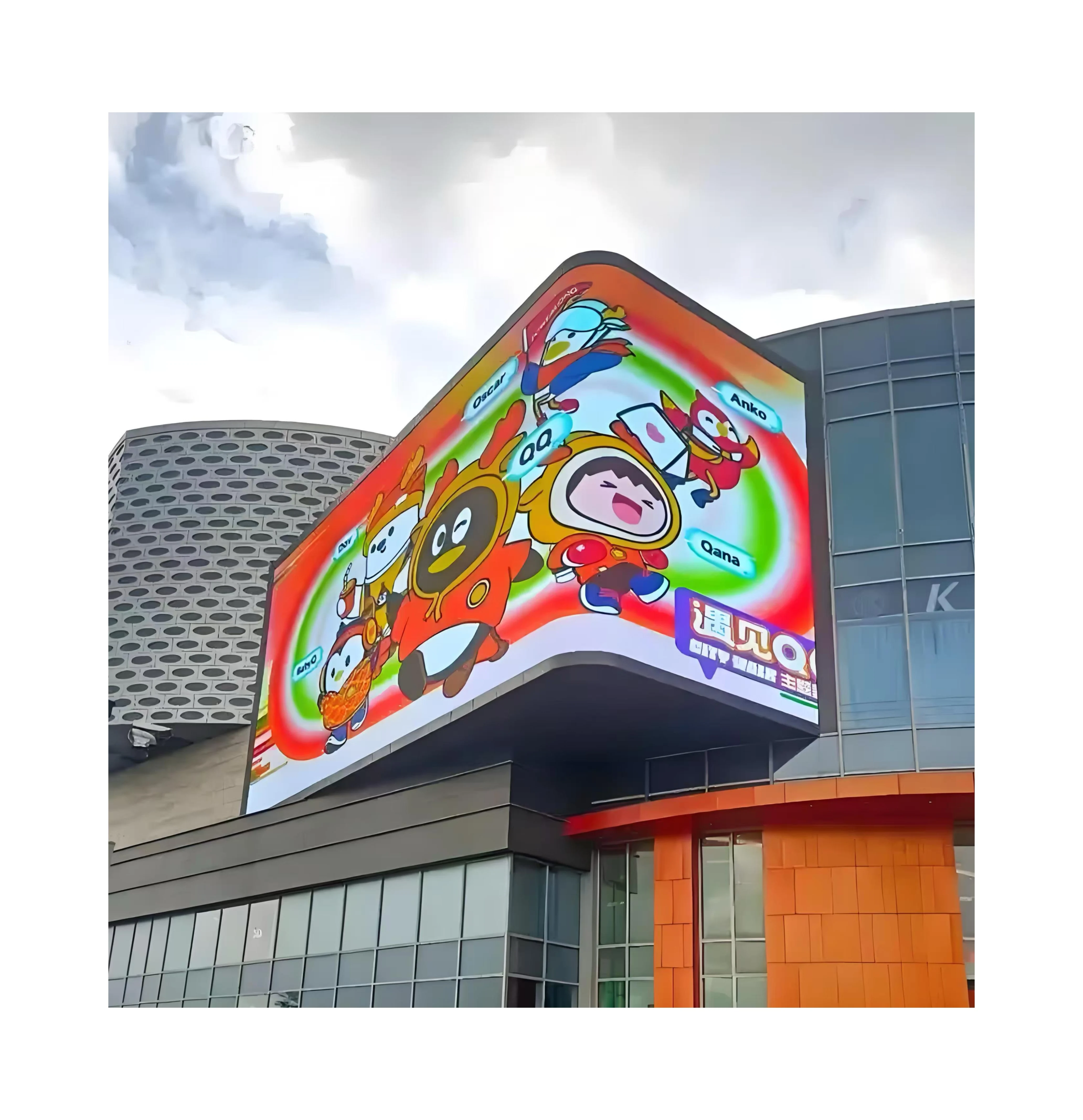
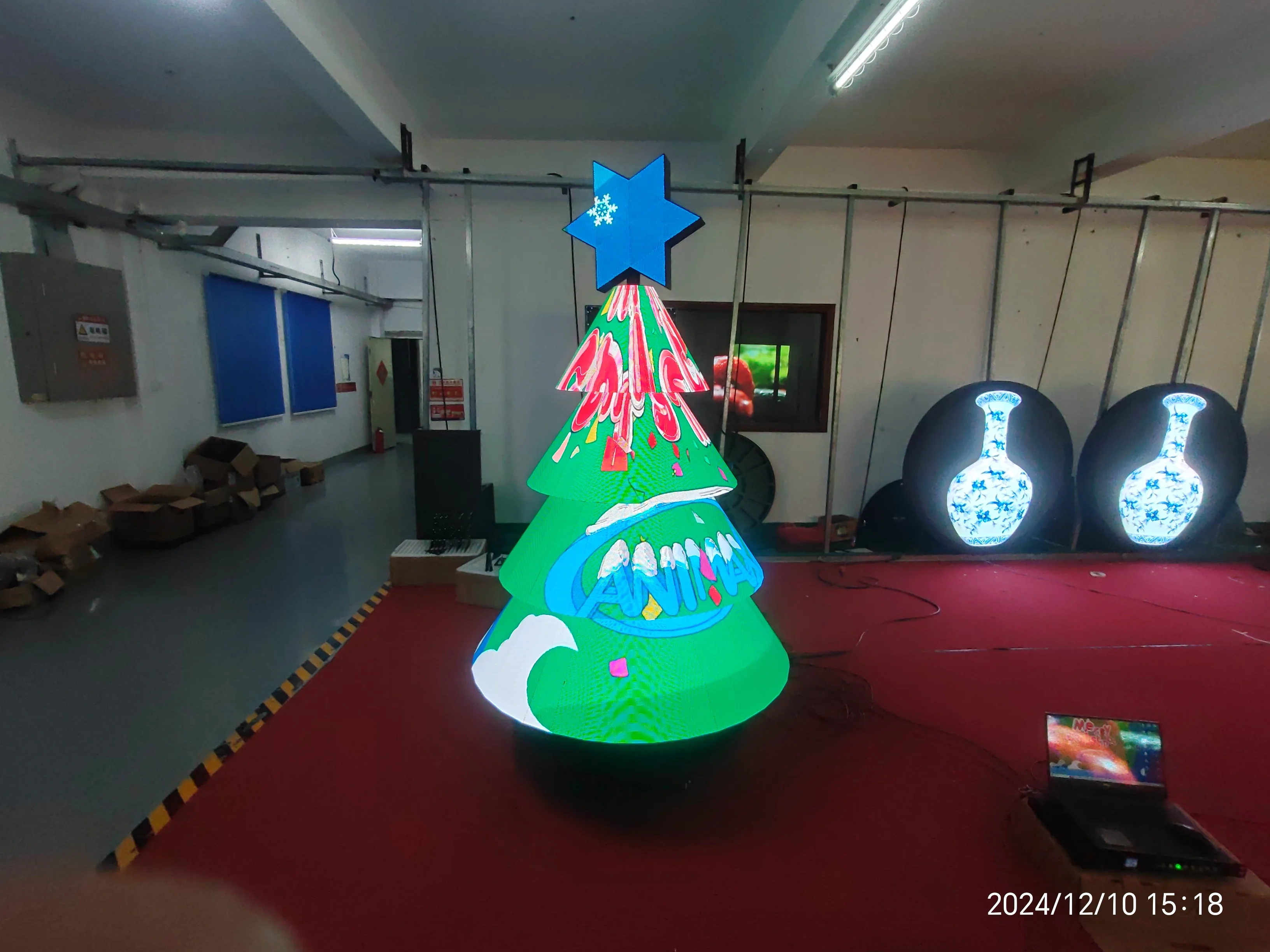
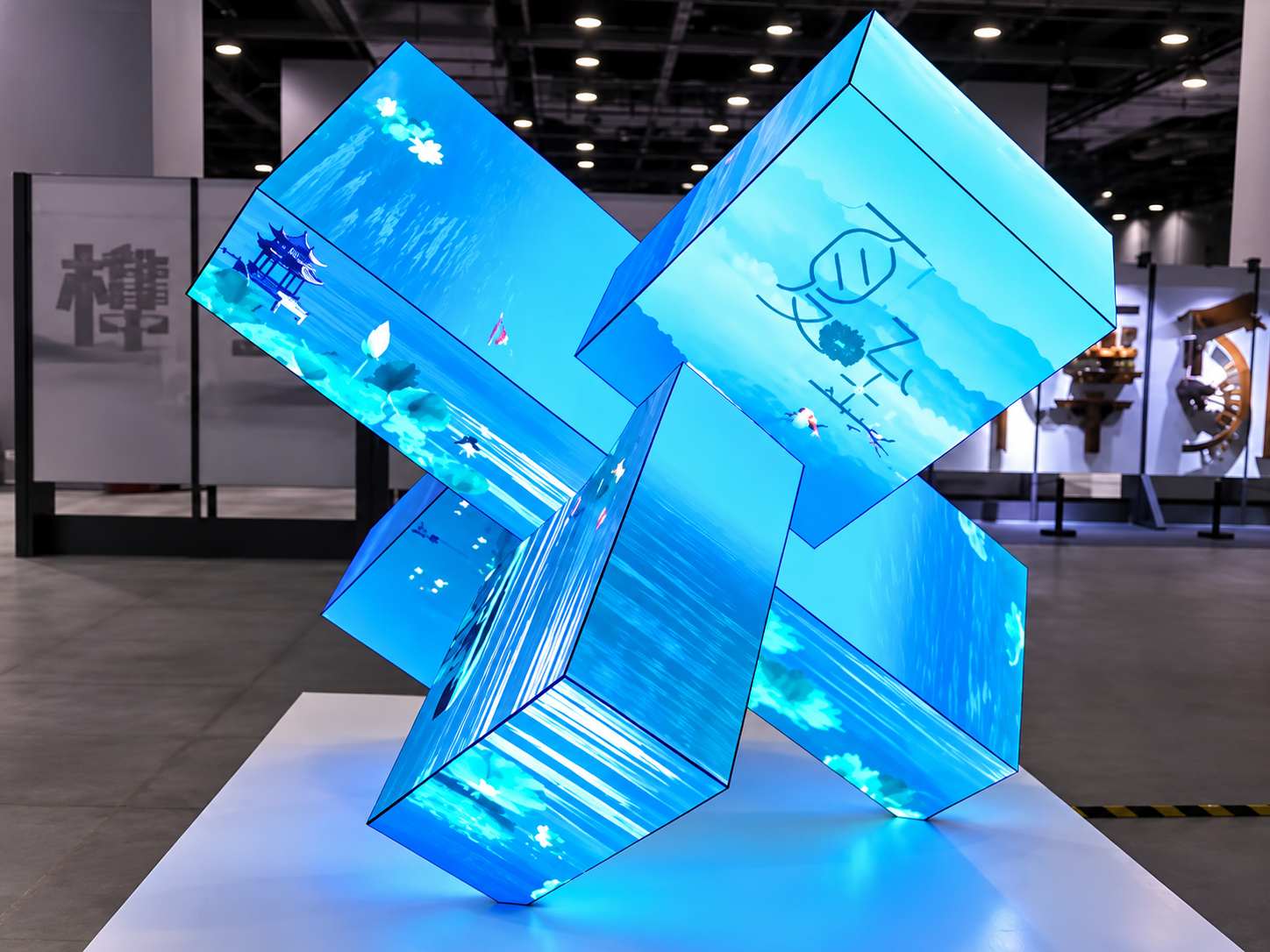
For unusual architectural layouts, a Custom-shaped LED screen can also be designed around the stage instead of forcing the ballroom to accept a standard rectangular screen.
Ballroom LED display size should not be decided from the front row.
The back tables matter more.
During conferences, small text, numbers, charts, schedules, and speaker names must still be readable from the rear of the room.
Before production, designers should test typical presentation content at the expected viewing distance.
A logo may look large on a laptop but appear very small from 20 or 30 meters away.
A useful method is to create a safe information area in the middle of the screen. Important text, speaker names, presentation data, and event information remain inside this area.
Decorative backgrounds and animation can extend toward the outer parts of the display.
This makes the same screen easier to use for both business presentations and entertainment events.
Hotel ballrooms use very different lighting conditions.
A conference may use normal room lighting. A wedding may use warm decorative lighting. A stage performance may include moving lights, spotlights, and strong background lighting.
Using one fixed brightness level for every situation is not ideal.
An indoor LED display should allow operators to save several brightness presets, such as:
conference mode;
banquet mode;
wedding mode;
performance mode;
cleaning or setup mode.
During a dinner, excessive LED brightness can make guests uncomfortable and may dominate the room decoration.
During a conference, however, brightness that is too low can make charts and presentation text difficult to read.
The goal is not maximum brightness. It is controlled brightness for each ballroom scene.
Hotels can consider an Indoor LED Display designed according to the viewing distance, room lighting, screen dimensions, and content requirements.
Ballroom stages are frequently modified.
One event may use flowers and decorative panels. Another may install speakers, lighting trusses, curtains, cameras, or temporary stage structures.
The LED display support system should therefore leave enough space for these changes.
Engineers should confirm:
screen depth;
wall clearance;
power cable routes;
signal cable routes;
ventilation space;
maintenance access;
stage decoration zones;
nearby lighting and audio equipment.
Front-service LED modules can be useful when there is little maintenance space behind the screen.
For curved walls, columns, stage corners, or other architectural surfaces, Flexible LED Screens can provide more freedom than conventional flat cabinets.
Customization should solve an actual ballroom problem, not simply create an unusual shape.
A ballroom LED screen should not be accepted only because it can play a test video.
Testing should reproduce the way the room will actually operate.
First, show a presentation with small text and check it from the last row.
Next, place tables and chairs in the banquet layout and inspect the display from the left and right sides.
Then turn on the ballroom lighting and stage spotlights to check reflections, contrast, and color.
The system should also be tested with live cameras because conferences, weddings, and award ceremonies often require real-time video.
Finally, switch between several stored content layouts to confirm that hotel staff can change event modes quickly without complicated reconfiguration.
Consider a hotel ballroom used for corporate meetings during the week and weddings or banquets on weekends.
Instead of designing the screen only around the conference stage, the project team studies three common seating layouts.
A wide main customized LED display is installed behind the stage. Important conference information remains inside a central safe-content zone, while the outer screen area can show decorative graphics during weddings.
Several brightness presets are stored in the control system.
During presentations, the screen uses higher brightness and clear text layouts. During dinners, brightness is reduced and the same display becomes part of the ballroom atmosphere.
The result is one LED system serving several commercial purposes without major reconstruction between events.
It depends mainly on the closest and typical viewing distances. Ballrooms with guests sitting close to the stage normally require a finer pixel pitch than very large halls viewed from longer distances.
One main screen works well when most guests face the stage. Wide or irregular ballrooms may benefit from side displays or additional coordinated LED surfaces.
Yes. The important points are adjustable brightness, suitable content zones, flexible control, correct viewing angles, and a structure that does not interfere with changing stage decorations.
Customization allows the screen dimensions, shape, structure, service method, and content layout to match the ballroom architecture and its different event configurations.
A multipurpose ballroom needs more than a large LED wall.
The display should work with changing seating layouts, stage designs, lighting conditions, viewing distances, and event content.
AILED provides customized LED displays, indoor LED displays, flexible LED screens, and custom-shaped LED display solutions for hotels, conference spaces, event venues, commercial interiors, and other architectural projects.
By planning the LED system around how the ballroom is actually used, hotels can create a display that supports conferences during the day, elegant banquets at night, and large events without repeatedly changing the core installation.
For customized hotel ballroom LED display projects, AILED can develop the screen size, shape, structure, pixel pitch, control method, and installation solution according to the actual venue.
 Hot News
2026-10-06
2026-10-05
2026-10-03
Copyright © 2025 by Shenzhen Ai Display Technology Co., Ltd - Privacy policy
 EN
EN