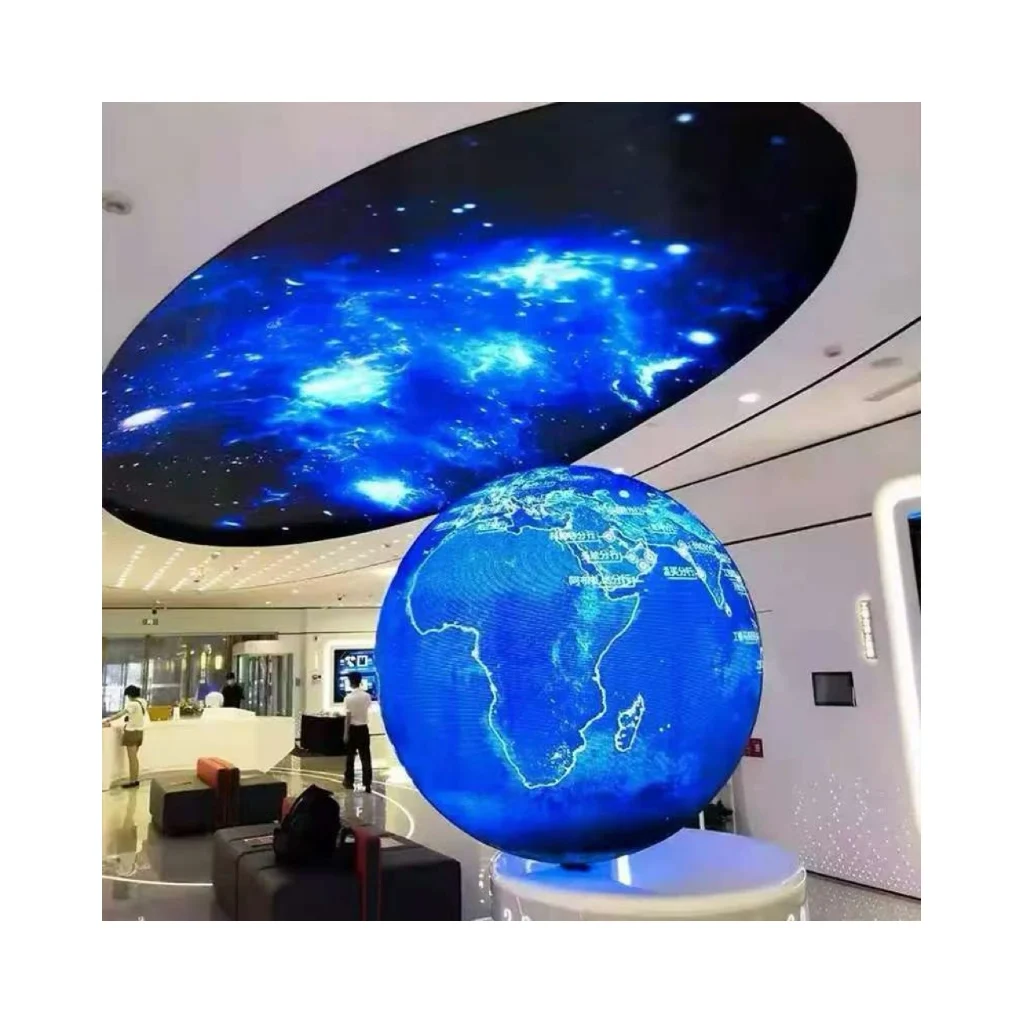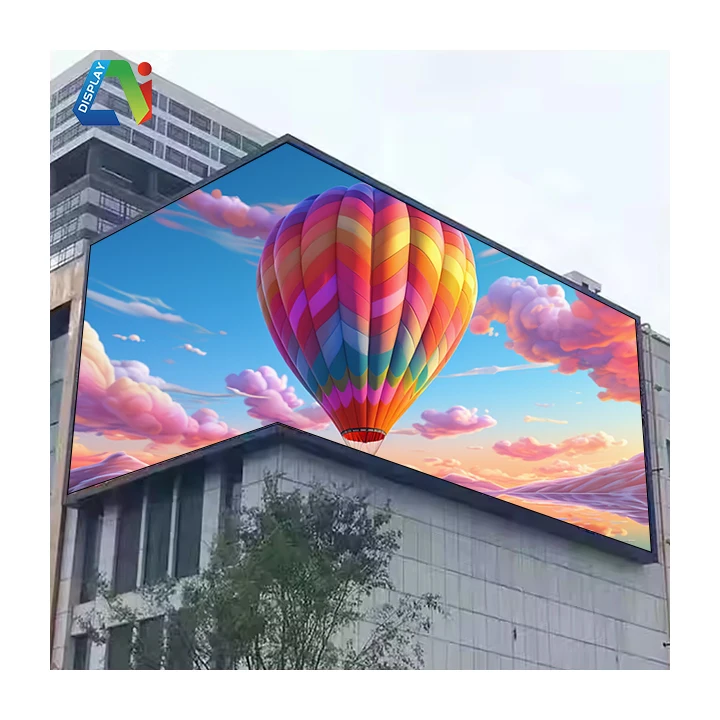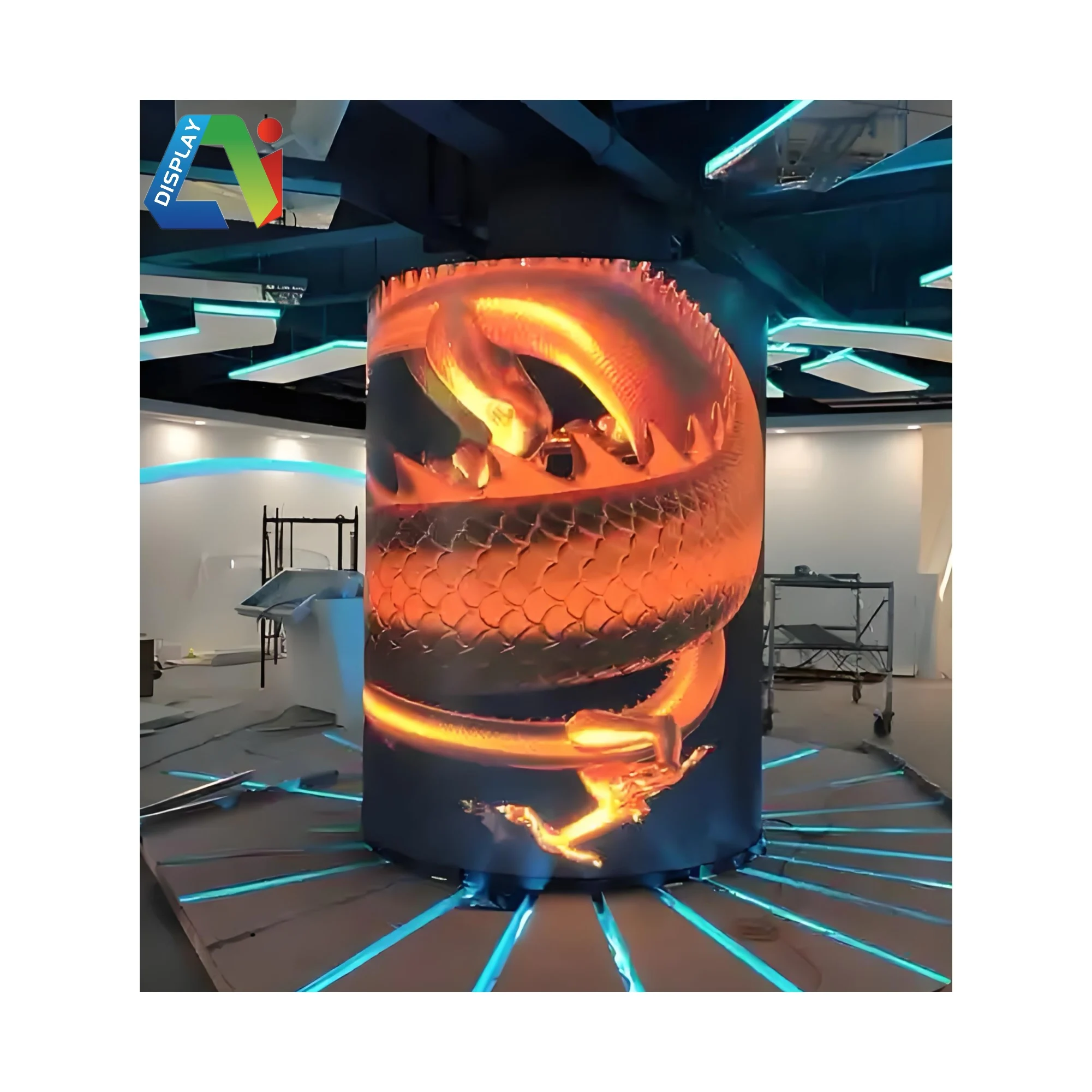
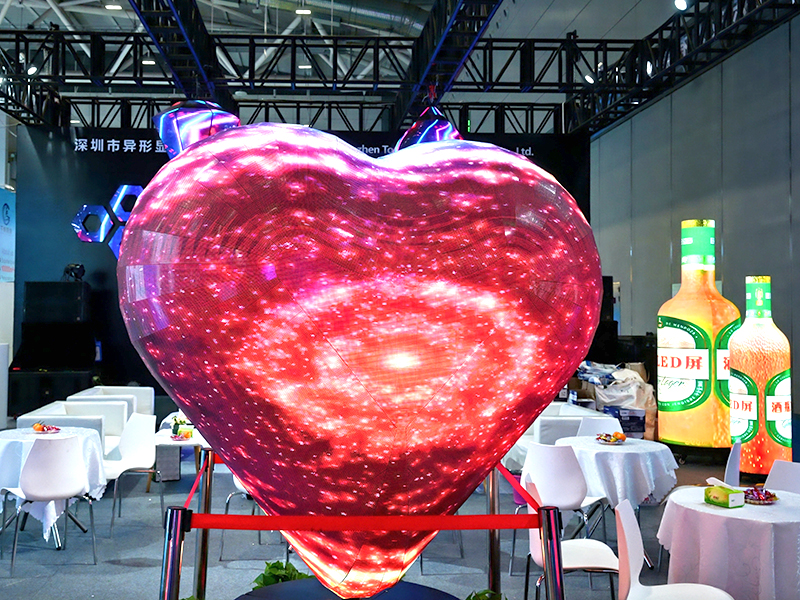
Ტრადიციული LED დისპლეები ჩვეულებრივ მართკუთხა სტრუქტურებით არის დიზაინირებული. თუმცა, მოდერნული კომერციული სივრცეები უფრო მეტად მოითხოვენ უნიკალურ ვიზუალურ გამოცდილებას, რომელშიც შედის მრუდი კედლები, სფერული დისპლეები, ცილინდრული ეკრანები და კრეატიული ბრენდის ფორმის ინსტალაციები.
Აქ არის ინდივიდუალურად ფორმირებული LED დისპლეები მნიშვნელოვნად ხდება.
Სტანდარტული LED ეკრანებისგან განსხვავებით, მორგებული LED ამონახსნები პროფესიონალური ინჟინერიის მოითხოვენ, რომელშიც შედის სტრუქტურული დიზაინი, LED მოდულების არჩევა, კონტროლის სისტემის კონფიგურაცია და სწორი წარმოება.
Პირველი დიზაინის კონცეფციიდან საბოლოო ინსტალაციამდე ინჟინერებმა ყველა დეტალი უნდა გაითვალისწინონ, რათა დისპლეი ვიზუალურად მიმზიდველი, სტაბილური და მოვლის მარტივი იყოს.
Ამიტომ, როგორ აქცევენ ინჟინერები კრეატიულ იდეას სრულად ფუნქციონირებად LED დისპლეიდან?
Წარმატებული მორგებული ფორმის LED დისპლეის დიზაინი იწყება პროექტის მოთხოვნების გაგებით.
Ინჟინერები ჯერ აფასებენ:
Მაგალითად:
Სავაჭრო ცენტრს შეიძლება სჭირდეს ყურადღებას მიმზიდველი მრუდი LED ინსტალაცია, ხოლო გამოფენის დარბაზს შეიძლება სჭირდეს 360-გრადუსიანი იმერსიული სფერული დისპლეი.
Სხვადასხვა გამოყენება სხვადასხვა ინჟინერულ მიდგომას მოითხოვს.
Პროფესიონალი წარმოებლი არ ცვლის ჩვეულებრივი LED ეკრანის ფორმას მხოლოდ ამ მიზნით. ინჟინერები მომხმარებლის გარემოსა და მიზნის მიხედვით ამზადებენ სრულ ამონახსნს.
Პროექტებისთვის, რომლებსაც უნიკალური სტრუქტურები სჭირდება, მომხმარებლები ხშირად ირჩევენ [ინდივიდუალური LED ეკრანის ამონახსნები] რადგან ისინი უფრო მეტ ლაგობას აძლევენ ტრადიციულ დისპლეებს შედარებით.
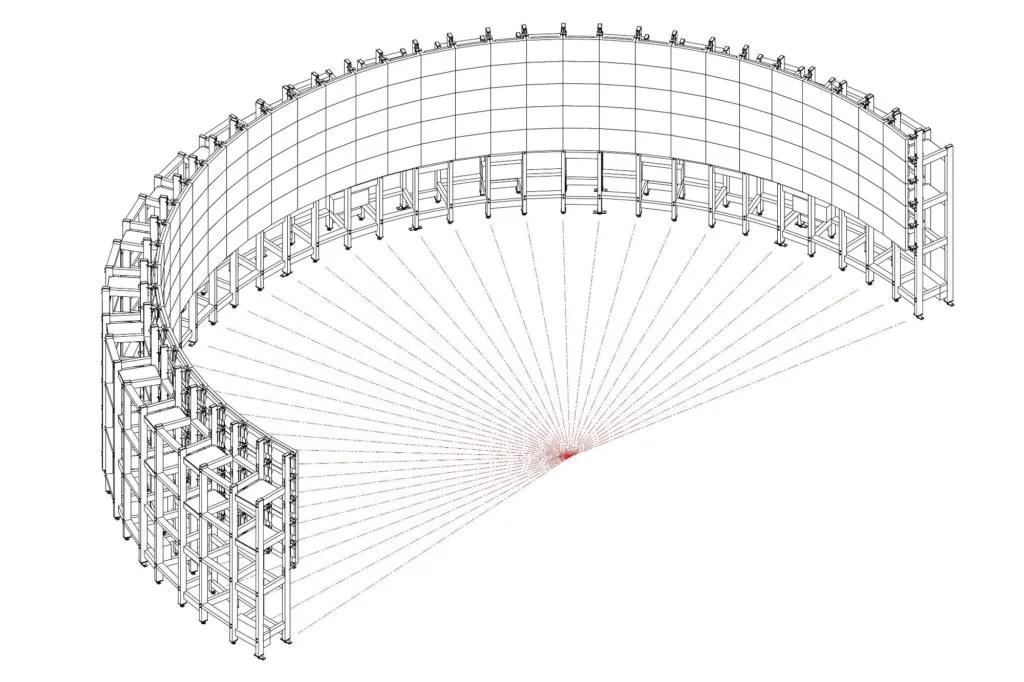
Კონცეფციის დადასტურების შემდეგ ინჟინერები წარმოების წინ არჩევენ დეტალურ 3D მოდელებს.
Ეს ეტაპი არის ერთ-ერთი ყველაზე დიდი განსხვავება სტანდარტული LED დისპლეებსა და ინდივიდუალურად ფორმირებული LED დისპლეები .
Ინჟინერები უნდა გამოთვალონ:
Მაგალითად:
Სფერული LED დისპლეის შესაქმნელად საჭიროებს საკმარისად სწორ მოდულების განლაგებას, რათა შეიქმნას უფლეტილი მრგვალი ზედაპირი.
Ცილინდრული LED ეკრანის შესაქმნელად სჭირდება სწორი გამოკვეთის გამოთვლები, რათა არ წარმოიქმნას ცარიელი სივრცეები LED მოდულებს შორის.
CAD ნახაზებისა და 3D სიმულაციის საშუალებით ინჟინერები შეძლებენ საბოლოო გარეგნობის წინასწარ განსაზღვრას და წარმოების წინ შესაძლო პრობლემების გადაჭრას.
LED მოდული არის ნებისმიერი კრეატიული დისპლეის პროექტის ძირეული კომპონენტი.
Სხვადასხვა ფორმის შექმნას სხვადასხვა ტექნოლოგია სჭირდება.
Მაგალითად:
Ჩვეულებრივ იყენებენ მოცულად შეძლებად მოდულებს, რომლებიც შეიძლება ადაპტირდეს სხვადასხვა კუთხით გამოხვევას.
Სჭირდება სპეციალურად შემუშავებული მოდულები და ზუსტი მექანიკური სტრუქტურები.
Სჭირდება LED მოდულები, რომლებიც შეიძლება შექმნან უწყვეტი წრეული ზედაპირები.
Შეიძლება მოითხოვოს მორგებული PCB-ების დიზაინი ან სპეციალურად შემუშავებული მოდულები.
Პიქსელის სიმაღლის არჩევანი ასევე დამოკიდებულია დაკვირვების მანძილაზე.
Მომხმარებლის მომხმარებლის მომსახურების ადგილებში, როგორიცაა მაღაზიები და მუზეუმები, პატარა პიქსელის სიმაღლე უკეთეს სურათის დეტალებს აძლევს.
Გარე პროექტების შემთხვევაში ინჟინერები უფრო მეტად აქცენტს აკეთებენ:
Მოცულად შეძლებადი LED ტექნოლოგია ინჟინერებს საშუალებას აძლევს შექმნან უფრო კრეატიული სტრუქტურები სურათის ხარისხის შენარჩუნებით.
Ინდივიდუალურად შექმნილი LED ეკრანების ინჟინერიის ერთ-ერთი ძირეული გამოწვევა არის სურათების დამუშავება.
Ტრადიციული მართკუთხა LED ეკრანები მარტივ პიქსელების განლაგებას იყენებენ.
Ამ შემთხვევაში, არეგულარული LED დისპლეები სპეციალური რუტინგის ტექნოლოგიას მოითხოვენ.
Ინჟინერებს უნდა დააკონფიგურონ:
Მაგალითად:
Როდესაც შინაარსი გამოისახება სფეროიდული LED ეკრანი , ჩვეულებრივი ვიდეოფაილები არ შეძლებენ პირდაპირ შეტყობინებას მრუდ ზედაპირზე.
Კონტენტი საჭიროებს ადაპტაციას ეკრანის სტრუქტურის მიხედვით.
Სწორი პიქსელების რუტინგის გარეშე სურათები შეიძლება დაიხარჯონ.
Ამიტომ, წარმატებული მორგებული LED პროექტების შესასრულებლად სჭირდება როგორც ჰარდვერული ინჟინერია, ასევე პროგრამული გაუმჯობესება.
Ინჟინერიული დიზაინის დასრულების შემდეგ პროექტი შედის წარმოების ეტაპზე.
Წარმოების პროცესი მოიცავს:
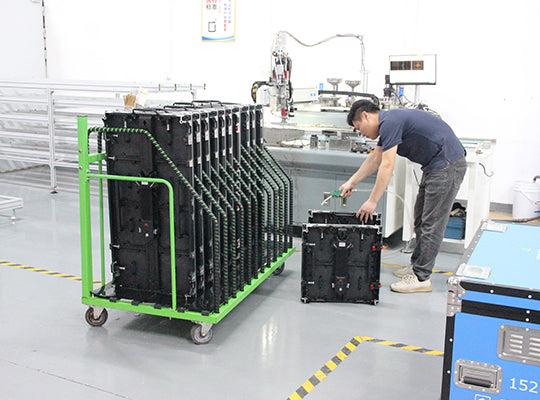
LED ჩიპები, PCB ფილები და ელექტრონული კომპონენტები აკრეფილია დისპლეის მოდულებად.
Ინჟინერები აგებენ კაბინეტებს და მხარდაჭერი სტრუქტურებს 3D დიზაინის მიხედვით.
Თითოეული დისპლეის ტესტირება ხდება შემდეგი პარამეტრების მიხედვით:
Გარე გამოყენების შემთხვევაში ინჟინრები ასევე ტესტავენ:
Ეს პროცესები უზრუნველყოფს იმ ფაქტს, რომ საბოლოო დისპლეი მონტაჟის შემდეგ საიმედოდ იმუშავებს.
Საბოლოო ეტაპი არის მონტაჟი.
Ინჟინრები ასრულებენ:
Კალიბრაცია განსაკუთრებით მნიშვნელოვანია დიდი სირთულის მქონე LED ინსტალაციების შემთხვევაში.
Მოდულებს შორის უმცირესი განსხვავებაც კი შეიძლება გავლენა მოახდინოს საბოლოო ვიზუალურ გამოცდილებაზე.
Პროფესიონალური მონტაჟი უზრუნველყოფს იმ ფაქტს, რომ მთელი დისპლეი მუშაობს როგორც ერთი უწყვეტი ეკრანი.
Დღეს, ინდივიდუალურად ფორმირებული LED დისპლეები გამოიყენება ბევრ სამრეწველო დარგში.
Კრეატიული LED ეკრანები დახმარებას აძლევენ ბრენდებს მომხმარებლების მიზიდვაში და მეხსიერებაში დარჩენილი სივრცეების შექმნაში.
Ინტერაქტიული LED ინსტალაციები აუმჯობესებენ ვიზიტორების გამოცდილებას.
Მრუდი და სპეციალური ფორმის ეკრანები ქმნიან იმერსიულ სცენურ გარემოს.
LED დისპლეები შეიძლება გახდნენ შენობების დიზაინის ნაკრები და ვიზუალური ლანდმარკები.
Თანამედროვე ინჟინერია საშუალებას აძლევს LED დისპლეებს, რომ გახდნენ რეკლამის საშუალებებზე მეტი. ისინი ახლა კრეატიული კომუნიკაციის პლატფორმებია.
Მორგებული LED დისპლეის შექმნა მოითხოვს გამოცდილებას შემდეგ სფეროებში:
Პროფესიონალური LED წარმოებლის მეშვეობით მომხმარებლებს შეიძლება თავიდან აიცილონ ხშირად მოხდენილი პრობლემები, როგორიცაა:
Პროექტის წარმატება არ ეყრდნობა მხოლოდ გარეგნულ სილამაზე, არამედ გრძელვადიან სანდოობასაც.
Ინდივიდუალურად ფორმირებული LED დისპლეები წარმოადგენენ კრეატიული ვიზუალური კომუნიკაციის მომავალს.
Პირველი კონცეპტუალური ნახაზიდან დაწყებული და საბოლოო დაყენებამდე ინჟინერები აერთიანებენ დიზაინს, ელექტრონიკას, პროგრამულ უზრუნველყოფასა და წარმოების ექსპერტიზას, რათა შექმნან უნიკალური LED ამოხსნები.
Ისეთი დისპლეების შექმნა, როგორიცაა სფერული დისპლეი, მრუდი კედელი, ცილინდრული ეკრანი ან სრულად ინდივიდუალურად შექმნილი სტრუქტურა — ყველა ეს შესაძლებელია პროფესიონალური ინჟინერიის მეშვეობით.
Სწორი ტექნოლოგიის და გამოცდილი წარმოებლის არჩევანით ბიზნესები შეძლებენ შექმნას ძლიერი ციფრული გამოცდილებები, რომლებიც მიიპყრობენ ყურადღებას და გამოიყენებიან გრძელვადიან ღირებულებას.
Ეძებთ ინდივიდუალურად შექმნილი LED დისპლეის ამოხსნას?
Კონტაქტი აილედდისპლეი რომ განვიხილოთ თქვენი პროექტის მოთხოვნები და შევქმნათ უნიკალური LED დისპლეის დიზაინი.
Ინდივიდუალურად შექმნილი LED დისპლეები არის LED ეკრანები, რომლებიც შეიძლება შეიქმნას უნიკალური ფორმებით, ხოლო არ არის ტრადიციული მართკუთხა სტრუქტურები, მათ შორის სფეროები, მრუდები, ცილინდრები და სხვა კრეატიული ფორმები.
Პროცესი მოიცავს კონცეფციის დიზაინს, 3D მოდელირებას, LED მოდულების შერჩევას, სტრუქტურულ წარმოებას, შეკრებას, ტესტირებას და დაყენებას.
Უმეტესობა ფორმების შექმნა შესაძლებელია პროფესიონალური ინჟინერიის მეშვეობით. საბოლოო დიზაინი დამოკიდებულია სტრუქტურაზე, LED ტექნოლოგიაზე და დაყენების მოთხოვნებზე.
 Ახალი სიახლეები
2026-10-12
2026-10-11
2026-10-06
Copyright © 2025 by Shenzhen Ai Display Technology Co., Ltd - Კონფიდენციალურობის პოლიტიკა
 EN
EN