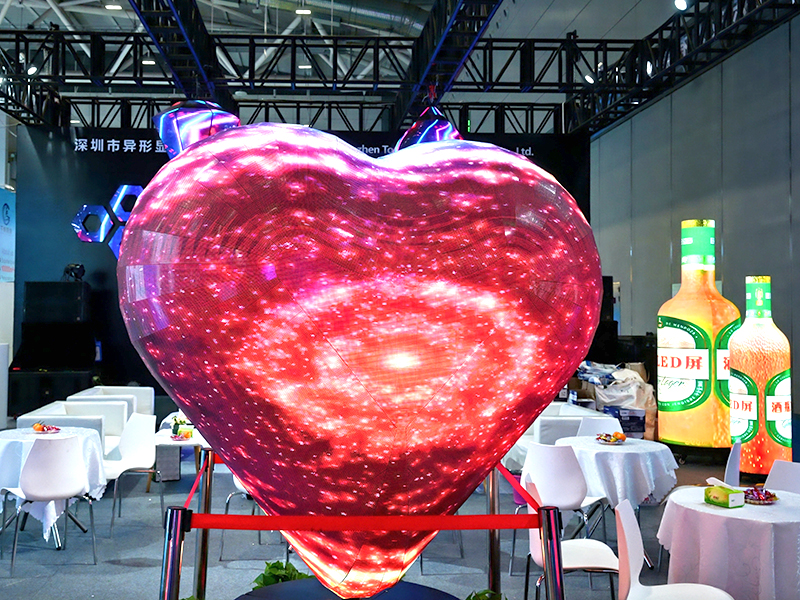
Traditionelle LED-Displays werden meist mit rechteckigen Strukturen konzipiert. Moderne kommerzielle Räume erfordern jedoch zunehmend einzigartige visuelle Erlebnisse – etwa gekrümmte Wände, kugelförmige Displays, zylindrische Bildschirme oder kreative, markenspezifische Installationen.
Hier kommt lED-Anzeigen in individueller Form werden immer wichtiger.
Im Gegensatz zu Standard-LED-Bildschirmen erfordern maßgeschneiderte LED-Lösungen professionelles Engineering – darunter Konstruktionsplanung, Auswahl der LED-Module, Konfiguration des Steuerungssystems sowie präzise Fertigung.
Vom ersten Gestaltungskonzept bis zur endgültigen Installation müssen Ingenieure jedes Detail berücksichtigen, um sicherzustellen, dass das Display optisch ansprechend, stabil und einfach zu warten ist.
Wie verwandeln Ingenieure also eine kreative Idee in ein voll funktionsfähiges LED-Display?
Jeder erfolgreiche design eines individuell geformten LED-Displays beginnt mit dem Verständnis der Projektanforderungen.
Ingenieure bewerten zunächst:
Beispiel:
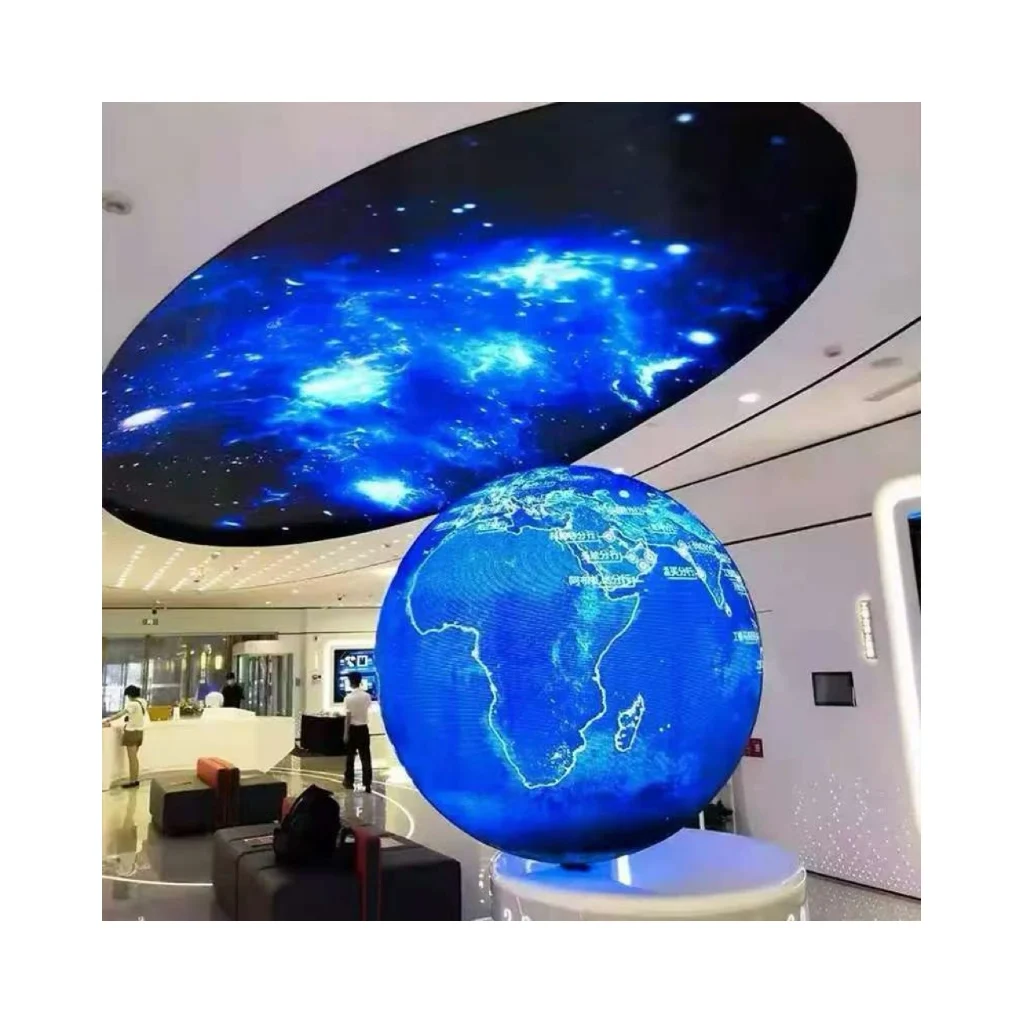
Ein Einkaufszentrum benötigt möglicherweise eine auffällige, gekrümmte LED-Installation, während eine Ausstellungshalle eine 360-Grad-immersive sphärische Anzeige benötigt.
Unterschiedliche Anwendungen erfordern unterschiedliche technische Herangehensweisen.
Ein professioneller Hersteller verändert nicht einfach nur die Form eines herkömmlichen LED-Bildschirms. Stattdessen entwerfen Ingenieure eine komplette Lösung basierend auf der Umgebung und dem Verwendungszweck des Kunden.
Für Projekte mit besonderen Konstruktionen entscheiden sich Kunden häufig für [maßgeschneiderte LED-Bildschirm-Lösungen] da diese mehr Flexibilität als herkömmliche Displays bieten.
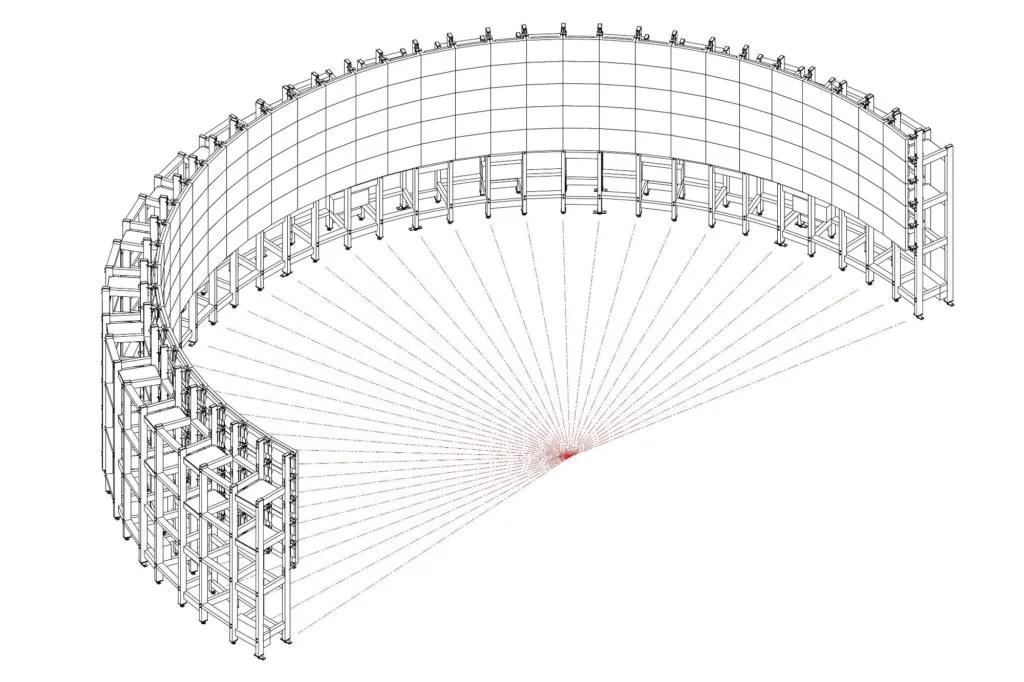
Nach Bestätigung des Konzepts erstellen Ingenieure detaillierte 3D-Modelle vor der Produktion.
Dieser Schritt ist einer der größten Unterschiede zwischen Standard-LED-Anzeigen und lED-Anzeigen in individueller Form .
Ingenieure müssen berechnen:
Beispiel:
Eine sphärische LED-Anzeige erfordert eine präzise Positionierung der Module, um eine glatte, runde Oberfläche zu erzeugen.
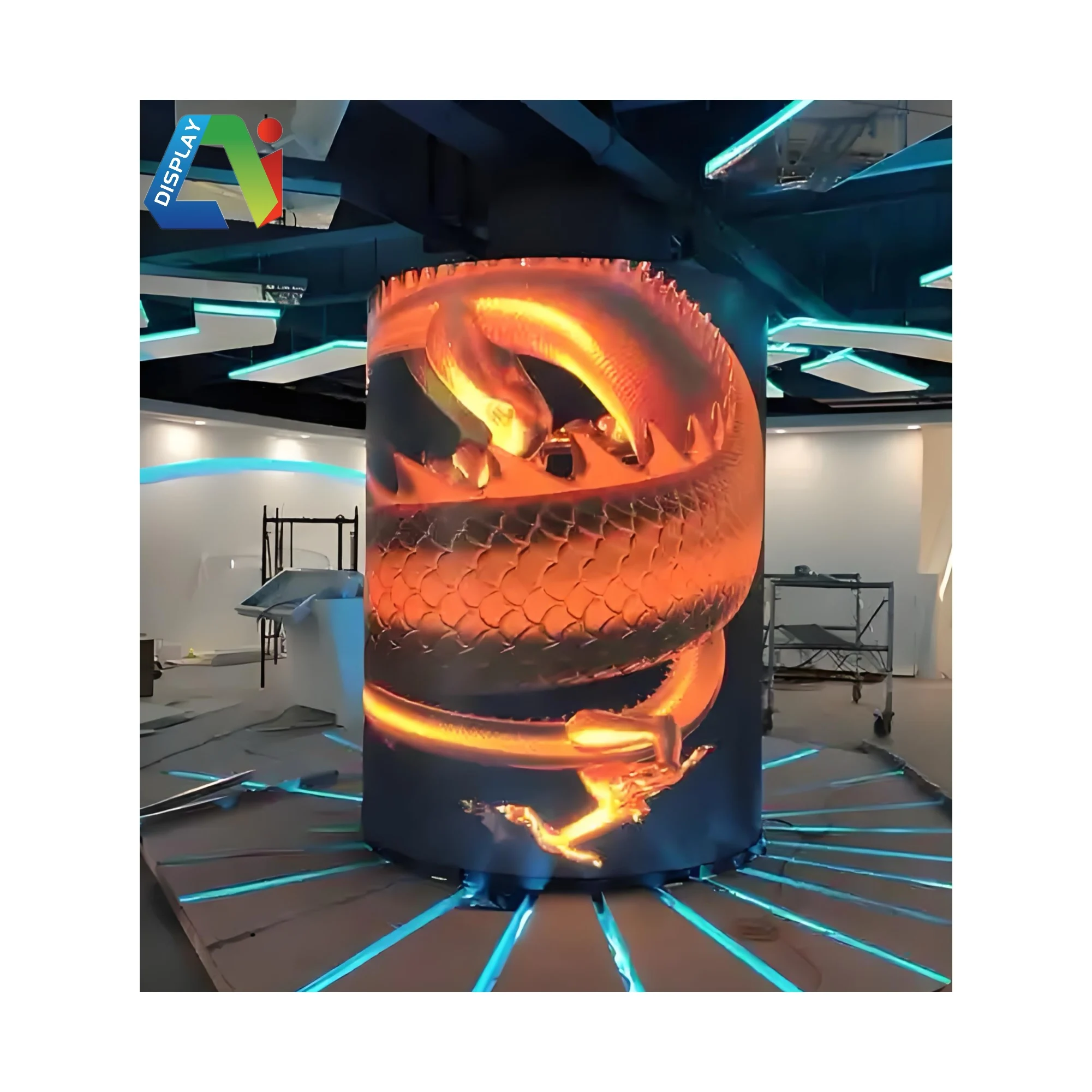
Ein zylindrischer LED-Bildschirm benötigt genaue Biegeberechnungen, um Lücken zwischen den LED-Modulen zu vermeiden.
Mithilfe von CAD-Zeichnungen und 3D-Simulation können Ingenieure das endgültige Erscheinungsbild vorhersagen und potenzielle Probleme bereits vor der Fertigung lösen.
Das LED-Modul ist die Kernkomponente jedes kreativen Anzeigeprojekts.
Verschiedene Formen erfordern unterschiedliche Technologien.
Beispiel:
Meist werden flexible LED-Module verwendet, die sich an verschiedene Biewinkel anpassen können.
Erfordern speziell entwickelte Module und präzise mechanische Strukturen.
Benötigt LED-Module, die nahtlose kreisförmige Oberflächen erzeugen können.
Kann maßgeschneiderte Leiterplattendesigns oder speziell entwickelte Module erfordern.
Die Auswahl des Pixelabstands hängt ebenfalls von der Betrachtungsdistanz ab.
Für Anwendungen mit naher Betrachtung wie Einzelhandelsgeschäfte und Museen bietet ein kleinerer Pixelabstand bessere Bilddetails.
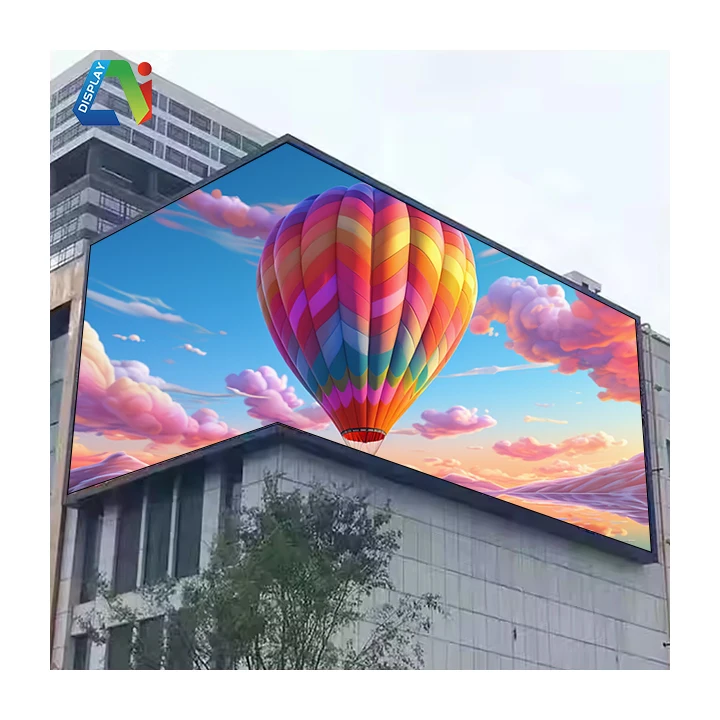
Bei Außenprojekten konzentrieren sich Ingenieure stärker auf:
Flexible LED-Technologie ermöglicht es Ingenieuren, kreativere Strukturen zu gestalten, ohne die Bildqualität einzubüßen.
Eine zentrale Herausforderung beim Engineering maßgeschneiderter LED-Bildschirme ist die Bildverarbeitung.
Herkömmliche rechteckige LED-Bildschirme weisen einfache Pixelanordnungen auf.
Unregelmäßige LED-Anzeigen erfordern jedoch spezielle Mapping-Technologie.
Ingenieure müssen konfigurieren:
Beispiel:
Bei der Darstellung von Inhalten auf einem sphärischer LED-Bildschirm , können normale Videodateien nicht direkt an die gekrümmte Oberfläche angepasst werden.
Der Inhalt muss entsprechend der Bildschirmstruktur angepasst werden.
Ohne eine geeignete Pixelzuordnung können Bilder verformt erscheinen.
Erfolgreiche maßgeschneiderte LED-Projekte erfordern daher sowohl Hardware-Engineering als auch Software-Optimierung.
Nach Abschluss der technischen Planung tritt das Projekt in die Fertigungsphase ein.
Der Herstellungsprozess umfasst:
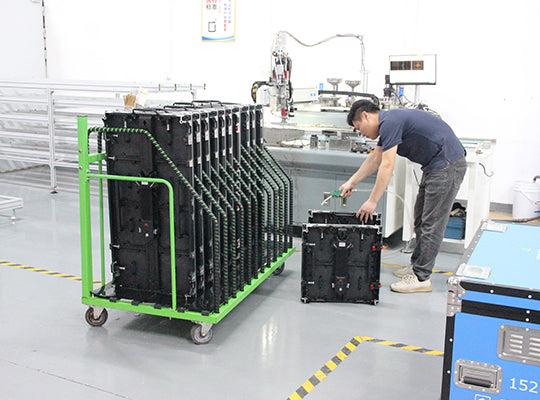
LED-Chips, Leiterplatten und elektronische Komponenten werden zu Display-Modulen zusammengebaut.
Ingenieure fertigen Gehäuse und Tragstrukturen entsprechend dem 3D-Design an.
Jedes Display muss getestet werden auf:
Für Außenanwendungen testen Ingenieure außerdem:
Diese Prozesse stellen sicher, dass das endgültige Display nach der Installation zuverlässig funktioniert.
Die letzte Phase ist die Installation.
Ingenieure führen folgende Schritte durch:
Die Kalibrierung ist besonders wichtig bei großen kreativen LED-Installationen.
Selbst geringfügige Unterschiede zwischen Modulen können das endgültige visuelle Erlebnis beeinträchtigen.
Eine professionelle Installation stellt sicher, dass der gesamte Bildschirm als ein nahtloser Bildschirm funktioniert.
Heute, lED-Anzeigen in individueller Form werden in vielen Branchen eingesetzt.
Kreative LED-Bildschirme helfen Marken dabei, Kunden anzuziehen und einprägsame Räume zu schaffen.
Interaktive LED-Installationen verbessern das Erlebnis der Besucher.
Gebogene und speziell geformte Bildschirme schaffen immersive Bühnenumgebungen.
LED-Displays können Teil von Gebäudekonzepten und visuellen Wahrzeichen werden.
Moderne Ingenieurtechnik ermöglicht es LED-Displays, mehr als nur Werbemedien zu sein. Sie sind heute kreative Kommunikationsplattformen.
Die Erstellung einer maßgeschneiderten LED-Anzeige erfordert Erfahrung in:
Ein professioneller LED-Hersteller kann Kunden helfen, häufige Probleme wie folgende zu vermeiden:
Der Erfolg eines Projekts hängt nicht nur vom äußeren Erscheinungsbild, sondern auch von der Langzeitzuverlässigkeit ab.
LED-Anzeigen in individueller Form stellen die Zukunft der kreativen visuellen Kommunikation dar.
Von der ersten Konzeptzeichnung bis zur endgültigen Installation kombinieren Ingenieure Design-, Elektronik-, Software- und Fertigungsexpertise, um einzigartige LED-Lösungen zu entwickeln.
Ob es sich um eine sphärische Anzeige, eine gekrümmte Wand, einen zylindrischen Bildschirm oder eine vollständig individuelle Struktur handelt – professionelles Engineering macht kreative Ideen möglich.
Durch die Auswahl der richtigen Technologie und eines erfahrenen Herstellers können Unternehmen eindrucksvolle digitale Erlebnisse schaffen, die Aufmerksamkeit erregen und langfristigen Wert liefern.
Sie suchen nach einer maßgeschneiderten LED-Anzeigelösung?
Kontakt aileddisplay um Ihre Projektanforderungen zu besprechen und ein einzigartiges LED-Anzeigedesign zu erstellen.
Maßgeschneiderte LED-Anzeigen mit Sonderformen sind LED-Bildschirme, die in einzigartigen Formen statt in herkömmlichen rechteckigen Strukturen konstruiert werden – darunter Kugeln, Kurven, Zylinder und andere kreative Formen.
Der Herstellungsprozess umfasst Konzeptentwicklung, 3D-Modellierung, Auswahl der LED-Module, strukturelle Fertigung, Montage, Prüfung und Installation.
Die meisten Formen lassen sich durch professionelles Engineering realisieren. Das endgültige Design hängt von der Struktur, der LED-Technologie und den Anforderungen an die Installation ab.
 Aktuelle Nachrichten
2026-10-12
2026-10-11
2026-10-06
Copyright © 2025 by Shenzhen Ai Display Technology Co., Ltd - DATENSCHUTZRICHTLINIE
 EN
EN