Many LED video walls look impressive on day one. Bright colors, seamless visuals, and sharp resolution often convince buyers they made the right investment. However, experienced video engineers know the real test starts much later.
After months or even years of continuous operation, weak components begin to fail. Heat slowly damages electronics. Power supplies become unstable. Colors drift. Maintenance costs rise. Eventually, the difference between a cheap LED wall and a professionally engineered system becomes impossible to ignore.
A recent discussion among video engineers and long-term LED technicians revealed a critical industry insight:
The best LED video walls are not the brightest or cheapest. They are the ones that stay stable, serviceable, and reliable for years.
This article explores what professionals actually look for in long-term LED display performance and why reliability matters more than marketing specifications.
Most LED walls look good immediately after installation. Manufacturers carefully calibrate the panels before shipping, and fresh components naturally perform at their best.
However, long-term operation exposes engineering weaknesses very quickly.
Professional installers often evaluate LED systems based on:
In other words, professionals focus on what happens after thousands of operating hours, not just during a showroom demo.
That distinction separates commercial-grade LED systems from short-lifespan products.
Many first-time buyers assume dead LEDs create the biggest maintenance issue. In reality, engineers frequently identify power supplies as the most common failure point.
When a low-quality PSU starts degrading, several issues appear:
Furthermore, heat accelerates PSU failure dramatically.
As a result, experienced integrators prioritize high-quality power systems from the beginning instead of cutting costs on electrical components.
Professional LED wall designs usually include:
These design choices reduce downtime and simplify future maintenance.
Heat remains one of the biggest long-term threats to any LED display.
Unfortunately, many low-cost systems prioritize thin cabinets and low pricing while ignoring airflow and thermal management. At first, the screen may still operate normally. Over time, though, excessive heat slowly damages critical components.
Poor thermal control often leads to:
Therefore, professional engineers pay close attention to airflow design long before installation begins.
High-quality LED systems usually include:
Instead of trapping heat inside sealed cabinets, good engineering allows the system to cool naturally and consistently.
Many LED buyers focus heavily on screen specifications while ignoring maintenance accessibility. However, technicians often consider serviceability one of the most important aspects of a professional LED wall.
When a component fails, repair speed matters.
A poorly designed system may require technicians to:
Consequently, simple repairs can turn into expensive downtime.
Professional systems solve this problem with modular engineering.
For example, high-end LED walls often allow technicians to:
These features significantly reduce maintenance time and labor costs.
More importantly, they keep the display operational during critical events or business hours.
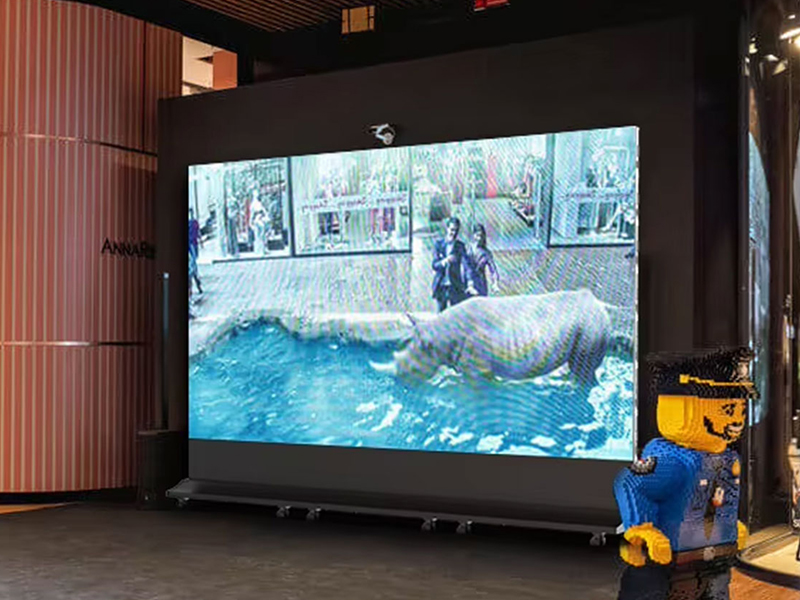
Many buyers assume LED calibration stays permanently accurate after installation. In reality, long-term runtime gradually changes panel behavior.
This process, commonly called color drift, affects:
The problem becomes especially noticeable in:
Because cameras easily detect inconsistencies, professionals schedule regular recalibration sessions to maintain image accuracy.
Additionally, experienced integrators recommend ordering spare modules from the same manufacturing batch. Otherwise, replacement parts may display visible color differences later.
Many LED projects fail long-term because buyers underestimate spare part planning.
Manufacturers frequently update products, discontinue models, or change component suppliers. Consequently, finding perfectly matched replacement modules years later becomes difficult.
Professional integrators often recommend purchasing:
Some companies even order 30% more spare parts during the initial project phase.
Although that approach increases upfront cost, it protects long-term visual consistency and minimizes future repair complications.
Low-cost LED displays often attract buyers with aggressive pricing and attractive specification sheets. However, experienced engineers repeatedly warn against choosing systems based solely on price.
Cheap systems frequently create long-term problems such as:
As maintenance costs rise, the initial savings quickly disappear.
For that reason, professionals evaluate total ownership cost instead of focusing only on purchase price.
A reliable LED wall may cost more upfront, but it often delivers lower operating expenses over its lifespan.
The Reddit discussion highlighted an important industry reality:
An LED video wall is not simply a display panel.
It is a complete engineering ecosystem that includes:
When one part of the system fails, the entire installation suffers.
Therefore, successful projects rely on experienced integrators who understand long-term operation instead of short-term installation alone.
The LED industry often emphasizes brightness, pixel pitch, and pricing. However, professionals with real-world experience focus on something far more important: reliability over time.
A truly high-quality LED video wall should:
Most importantly, it should continue performing long after the excitement of installation disappears.
In the end, long-term engineering quality always matters more than day-one appearance.
 Hot News
2026-10-21
2026-10-20
2026-10-19
Copyright © 2025 by Shenzhen Ai Display Technology Co., Ltd - Privacy policy
 EN
EN