All Categories
how to format led video wall content cost efficiently-0

News

Home >  News

How to Format LED Video Wall Content Cost-Efficiently

Apr 23, 2026

LED video walls do more than show video—they drive engagement and generate revenue. Yet many operators struggle with one practical challenge:
How do you display live content and ads on the same screen without overspending on hardware?

In this guide, you’ll learn how to build a cost-efficient multi-zone LED content setup, compare available solutions, and avoid common pitfalls. More importantly, you’ll understand how to balance budget, stability, and flexibility—the three factors that define a successful deployment.

Why Multi-Zone LED Content Matters

First, let’s address the “why.”

If you run a bar, retail store, or venue, you rarely want full-screen content all the time. Instead, you want to:

  • Show live sports or TV feeds
  • Add promotions, menus, or ads
  • Display real-time info like scores or events

By splitting your LED screen into zones, you instantly:

  • Increase ad inventory
  • Improve viewer engagement
  • Maximize ROI per square foot of screen

In short, better layout = better monetization.

Core Concept: Layered Content, Not Just Video Playback

Before choosing tools, understand the principle:

You are not just “playing content.” You are composing multiple content layers into one output.

A typical layout includes:

  • Main zone → Live video (sports, TV)
  • Side or bottom zones → Ads, promotions
  • Optional overlays → Tickers, branding

Once you think in layers, the solution becomes much clearer.

4 Cost-Efficient Ways to Format LED Content

1. Use Your LED Control System First (Lowest Cost)

Start with what you already own.

Many LED systems (especially Nova-based setups) include:

  • Built-in layering
  • Multi-window display
  • Basic media playback

Why this works

You avoid extra hardware entirely. Instead, you configure:

  • One input as your main video
  • Additional layers for ads or graphics

When to choose this

  • You already use a professional LED controller
  • You want the cheapest viable solution
  • Your layout requirements are relatively simple

This approach often delivers the best cost-to-performance ratio.

2. Digital Signage Players (Best Balance)

Next, consider dedicated signage players.

Popular options include:

  • BrightSign (some models support HDMI input)
  • NovaStar media players (TB series)

What they do well

  • Let you design custom layouts
  • Combine live input + scheduled content
  • Enable remote updates

Why they stand out

They strike a balance between:

  • Affordability
  • Reliability
  • Ease of use

When to choose this

  • You want structured content management
  • You plan to update ads frequently
  • You need a professional but scalable setup

 For most commercial projects, this is the sweet spot.

3. Hardware Video Processors (Most Stable)

If uptime matters more than cost, go hardware.

Devices like video switchers or processors can:

  • Combine multiple inputs
  • Output a single formatted signal
  • Run continuously with minimal failure risk

Advantages

  • Extremely stable
  • Fast input switching
  • No OS crashes or software issues

Trade-offs

  • Higher upfront cost
  • Less flexible for dynamic layouts

When to choose this

  • You operate a high-traffic venue
  • Downtime is unacceptable
  • You prefer plug-and-play reliability

This is the “set it and forget it” solution.

4. DIY Software Solutions (Lowest Budget, Highest Flexibility)

Finally, you can go fully custom.

Common setups include:

  • Raspberry Pi + signage software
  • Mini PC + VJ software (like Resolume)

What you gain

  • Maximum flexibility
  • Extremely low cost
  • Custom scheduling and layouts

What you risk

  • Lower stability
  • More setup complexity
  • Potential compatibility issues

When to choose this

  • You have technical experience
  • You want full control
  • You accept some maintenance overhead

This works well for experimental or budget-driven projects.
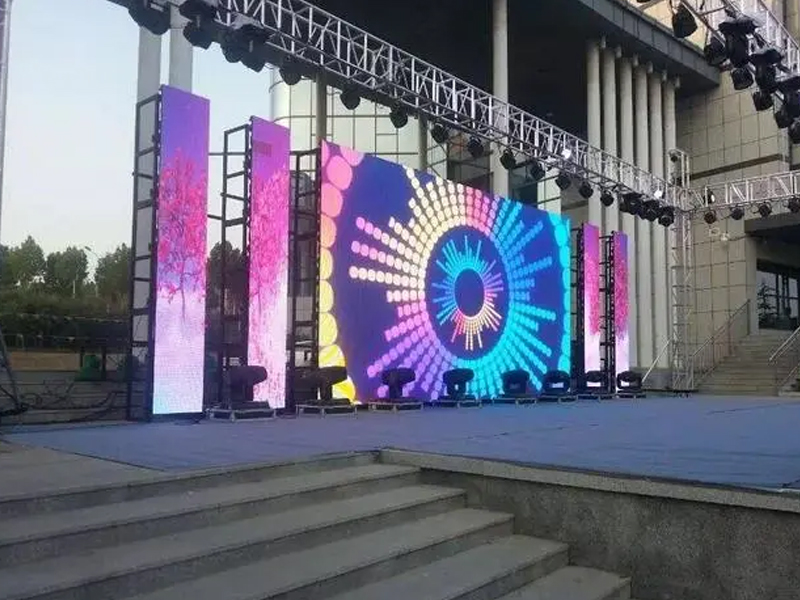
How to Format LED Display Content Cost-Efficiently.jpg

Critical Issue You Can’t Ignore: HDCP

Now let’s address a common blocker.

Many live sources (like satellite TV or streaming boxes) use HDCP encryption. This can:

  • Prevent signal capture
  • Break your multi-zone workflow

Practical implications

  • Some devices won’t display the feed at all
  • Others will block overlays

What you should do

  • Verify compatibility before buying hardware
  • Test your signal chain early
  • Avoid relying on unofficial workarounds

Ignoring HDCP can derail your entire setup.

How to Choose the Right Approach

Instead of guessing, evaluate your needs across three dimensions:

Factor

Key Question

Best Option

Budget

How much can you spend upfront?

LED system / DIY

Stability

Can you tolerate downtime?

Hardware processors

Flexibility

Do you need frequent content updates?

Digital signage players

Quick recommendations

  • Tight budget? → Use your LED controller features
  • Balanced setup? → Choose a signage player
  • Mission-critical? → Invest in hardware
  • Tech-savvy + experimental? → Go DIY

Pro Tips for Better LED Content Layout

Even with the right tools, execution matters.

Keep layouts simple

Avoid overcrowding. Clear zones outperform complex designs.

Match resolution precisely

Always align content with your LED screen’s pixel map. Otherwise, you lose clarity.

Prioritize the main content

Your primary video should dominate attention. Ads should support, not distract.

Use motion strategically

Subtle movement increases engagement—but too much causes fatigue.

Conclusion

Cost-efficient LED content formatting isn’t about cutting corners. Instead, it’s about using the right level of technology for your actual needs.

  • Start with what you already have
  • Upgrade only when necessary
  • Focus on layout and usability—not just hardware

In the end, the most effective LED display is not the most expensive one.
It’s the one that delivers the right content, in the right place, at the right time.

Email Email WeChat WeChat
WeChat
WhatsApp WhatsApp
Newsletter
Please Leave A Message With Us