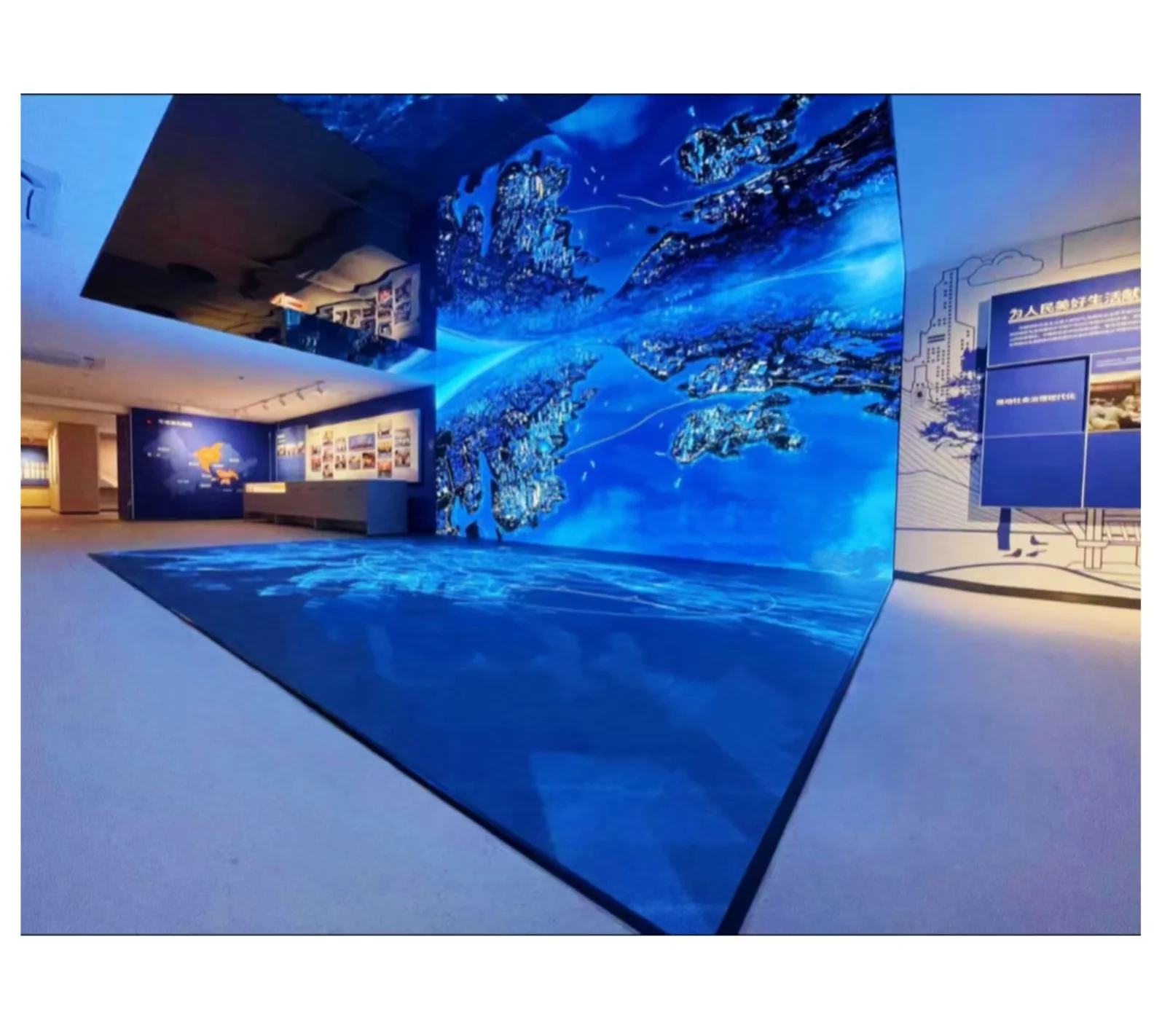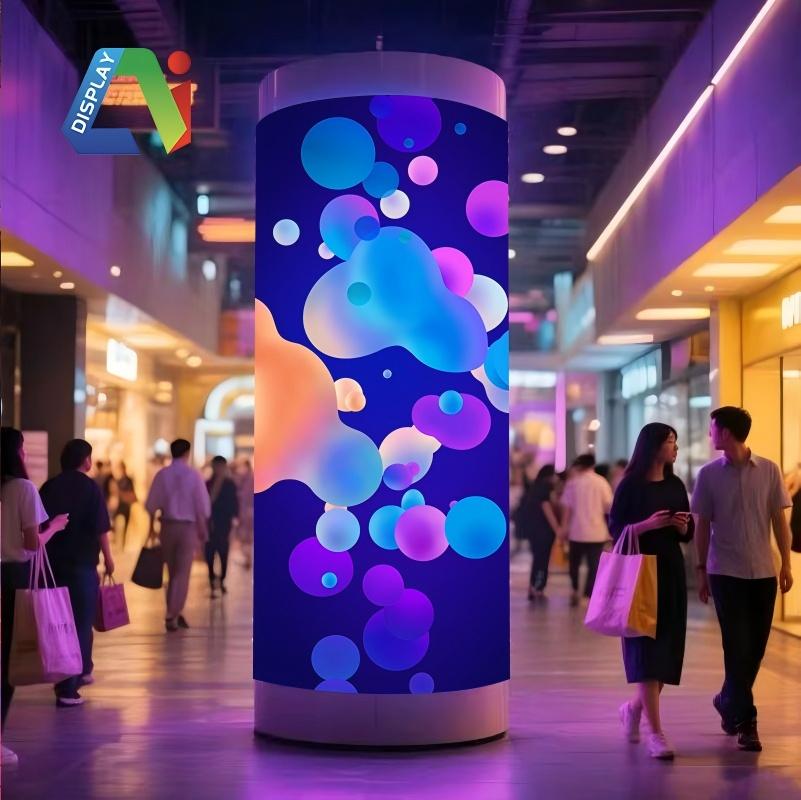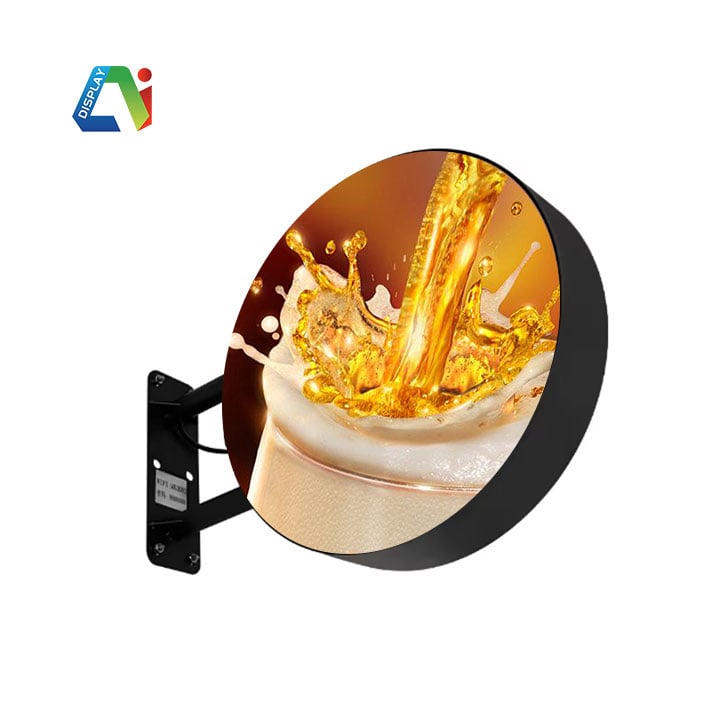
Curved LED modules make it possible to build cylinders, waves, columns, curved walls, and many other creative LED displays. Unlike standard rigid LED panels, these modules use flexible PCB materials that allow them to bend around different structures.
This flexibility is useful during installation, but it also means the modules need careful protection during transportation.
Improper stacking, excessive bending, vibration, moisture, or pressure can damage LED lamps, connectors, solder joints, or the flexible PCB. Some damage may not be visible when the package arrives but may cause dead pixels, flickering, color problems, or unstable signals after installation.
For this reason, protecting curved LED modules should start before they leave the factory.
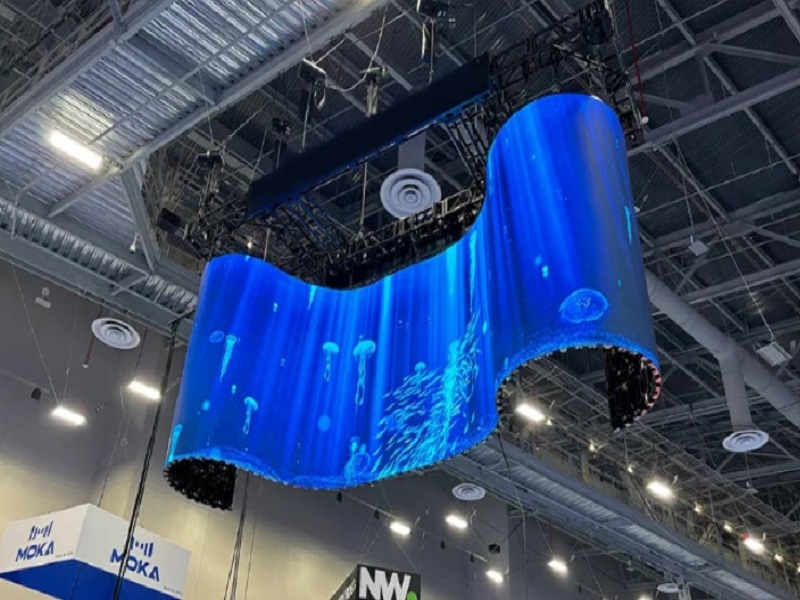
A flexible LED screen is designed differently from a conventional rigid LED screen. Flexible modules can bend to create curved, cylindrical, circular, and irregular display surfaces.
However, flexible does not mean that the module can be folded or twisted without limits.
The PCB, LED lamps, ICs, connectors, and solder joints still have mechanical limits. If a module is bent too sharply during packing, part of the PCB may experience excessive stress. Strong pressure can also damage LED lamps on the front surface.
Transportation therefore needs to control several risks:
A good packaging system should protect against all of these problems rather than simply putting the modules into a strong carton.
Protection should begin with inspection.
Before curved LED modules are packed, technicians should power them on and check the display condition. Dead pixels, abnormal colors, loose connectors, damaged cables, and visible PCB problems should be identified before shipment.
An aging test can also help detect unstable components before the products leave the factory.
This step is important because it creates a clear quality record. If a problem is found after transportation, it becomes easier to determine whether it occurred before or during shipping.
Modules should be clean and dry before entering the packaging process.
One of the most important rules for flexible LED module transportation is simple:
Never force a module into a smaller space by folding it sharply.
Every flexible module has a bending limit. Going beyond that limit can place unnecessary stress on the PCB, solder joints, and electronic components.
When the module can be stored flat, it is usually safer to keep it flat with full support underneath.
If a curved module must maintain a certain shape during transportation, a customized support frame or shaped foam insert can be used. The support should hold the module naturally without forcing it into an excessive curve.
The same rule applies during unpacking. Do not suddenly bend a cold or tightly packed module immediately after removing it from the box.
Curved LED modules are electronic products, so physical protection alone is not enough.
Static electricity can damage sensitive electronic components even when there is no visible physical damage. For this reason, anti-static protection should be included in the packing process.
An anti-static bag can be used around each module or group of modules. Workers handling exposed modules should also follow proper ESD procedures.
Special attention should be given to PCB areas, connectors, and electronic components. Avoid touching these parts unnecessarily during packing and unpacking.
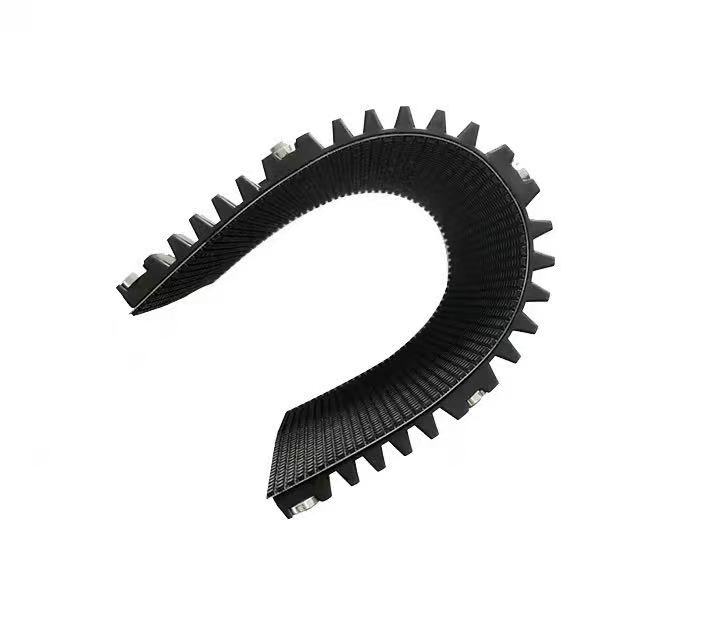
LED lamps are located directly on the front surface of the module. If two modules are placed together without protection, vibration during transportation may cause them to rub or press against each other.
Soft foam or another suitable cushioning material should therefore be placed between modules.
A simple packaging structure can be:
Curved LED module → anti-static protection → soft foam → separator → foam → next module
The foam should absorb vibration without putting strong pressure on the LEDs.
For fine-pitch modules, this becomes even more important because smaller LED components can be more sensitive to direct impact.
The front LED surface is not the only vulnerable part.
Connectors, power cables, data cables, module corners, and exposed PCB areas can also be damaged if they move freely inside the package.
Cables should be organized instead of being tightly folded or trapped underneath the module. Connectors should not carry the weight of other components.
The goal is to make sure nothing moves significantly when the package is lifted, tilted, or transported over a rough road.
Empty space inside a shipping box is often a hidden problem. Even a strong wooden case cannot protect the product well if modules can move freely inside it.
Moisture protection becomes especially important for international transportation.
Sea freight may take several weeks, and packages can experience changes in humidity and temperature during the journey. Condensation or prolonged exposure to moisture may affect electronic components.
Sealed protective bags and desiccants can be added when necessary. The outer package should also be kept dry and properly sealed.
For long-distance sea freight, moisture protection should be considered together with impact protection rather than treated as an optional step.
The final outer package depends on the number of modules, their value, destination, and transportation method.
Strong cartons may be suitable for small quantities or certain domestic shipments. For international transportation, plywood cases can provide better protection against compression and external impact.
Flight cases can be useful for rental LED displays that are transported repeatedly between events.
For customized special-shaped LED displays, the packaging may also need to be customized according to the module dimensions and screen structure.
The important point is that the outer case and internal protection must work together.
A strong wooden case alone cannot prevent damage caused by incorrect bending inside the box.
Good packaging can still fail if the packages are handled incorrectly.
Shipping cases should have clear handling labels where necessary. Heavy objects should not be stacked on packages that contain sensitive LED modules unless the packaging has been designed for that load.
During loading and unloading, avoid dropping, throwing, or dragging the cases.
For large projects, numbering the packages is also helpful. For example:
Case 1 – Flexible LED Modules
Case 2 – Power Supplies and Receiving Cards
Case 3 – Cables and Spare Parts
This makes inventory checking and installation easier when the shipment arrives.
Do not immediately install every module after opening the shipping cases.
First, inspect the outer packaging. Look for crushed corners, water marks, holes, or other signs of transportation damage.
Then inspect the modules for:
After the visual inspection, power on the modules and test them before installation.
Finding a damaged module at this stage is much easier than discovering the problem after the entire curved LED screen has been assembled.
Many transportation problems can be prevented by avoiding a few simple mistakes.
Do not fold flexible modules sharply just to reduce package size. Do not place LED surfaces directly against each other. Avoid stacking heavy components on top of flexible modules.
Modules should not move freely inside the case, and moisture and static protection should not be ignored during international shipping.
Most importantly, workers should never lift or pull an LED module by its power or data cables.
Generally, they should not be sharply folded. Flexible LED modules have a specified bending range. Excessive bending can stress the PCB, solder joints, and electronic components.
If the module is designed to return to a flat position, flat transportation with proper support is often a practical option. If it needs to remain curved, customized support should keep it within the correct bending radius.
Not for every shipment. However, plywood cases are often suitable for long-distance and international transportation because they provide stronger protection against external pressure and impact.
Use suitable internal cushioning, sealed protection where necessary, moisture-control materials such as desiccants, and a strong outer package.
Protecting curved LED modules during transportation is not only about using a stronger box. The complete process should control bending, vibration, pressure, static electricity, moisture, and movement inside the package.
The most important rule is to respect the module's bending limit. Combine this with anti-static protection, soft cushioning, secure positioning, moisture protection, and suitable outer packaging.
At AI LED Display, flexible LED technology is used to create curved, cylindrical, circular, and other customized display solutions. Our soft LED panels are designed for creative installations where conventional flat LED panels cannot achieve the required shape.
For projects involving curved walls, columns, cylinders, or other irregular structures, choosing the right module is only the first step. Proper testing, packaging, transportation, and installation help ensure the display arrives safely and performs reliably after installation.
 Hot News
Copyright © 2025 by Shenzhen Ai Display Technology Co., Ltd - Privacy policy
 EN
EN